New vs. Used Board Games: Where Should Beginners Buy?
Should beginners buy board games new or used, and where?
On this page
Start with the real beginner worry: nobody wants to overspend on a game the family might not love, but nobody wants a used game with missing pieces either. Frame the article as a simple decision guide—new vs. used, and which buying channel fits a beginner's budget and confidence level—so readers can make a smart first purchase today.
The Quick Answer: New vs. Used for Beginners
Short on time? Here's the bottom line for your first game night.
Buy new when you want peace of mind. New copies guarantee every piece is in the box, come shrink-wrapped, and can be returned or exchanged if something's missing or damaged. This matters most for gateway games—simple, welcoming titles designed to ease newcomers into the hobby—that you'll pull off the shelf again and again.
Buy used when you're testing the waters or chasing a deal. A secondhand copy is a low-risk way to try a hobby before committing, and it's often the best route to out-of-print titles (games no longer made) or pricier boxes you'd rather not pay full price for.
Rule of thumb: go new for the everyday favorites you'll play often, and go used for experiments and bargains.
Want the details—and where to shop each way? Read on.
What You Actually Gain (and Lose) Buying New
Buying new is the low-stress option, and for beginners that peace of mind is worth a lot.
What you gain:
- Complete components, guaranteed. A new box arrives shrink-wrapped (sealed in plastic), so every card, token, and rulebook is present and unbent. There's no detective work counting pieces before your first game night.
- Manufacturer support. If a part is missing or misprinted, most publishers will mail you a replacement for free—you just need proof of purchase.
- Easy returns. Buy from a regular store or Amazon and you can usually return or exchange a game that's damaged or simply not a hit, often within 30 days.
What you lose:
- Money. New copies frequently sell at full MSRP (the manufacturer's suggested retail price—the "sticker" price) outside of sales. You'll often pay 20–40% more than a gently used copy.
- Patience pays off. Prices drop during seasonal sales, so paying full price on a whim is the most expensive way to buy.
Who this is for: New buying makes the most sense for gateway games—simple, welcoming titles meant to introduce people to the hobby—that you expect to keep and replay for years. These are usually best for 2–4 players, ages 8+, 30–45 minutes, easy difficulty, and they're family-friendly with nothing unsuitable for kids. If a game will become a household staple, the small premium for a clean, complete, returnable copy is easy to justify.
What You Actually Gain (and Lose) Buying Used
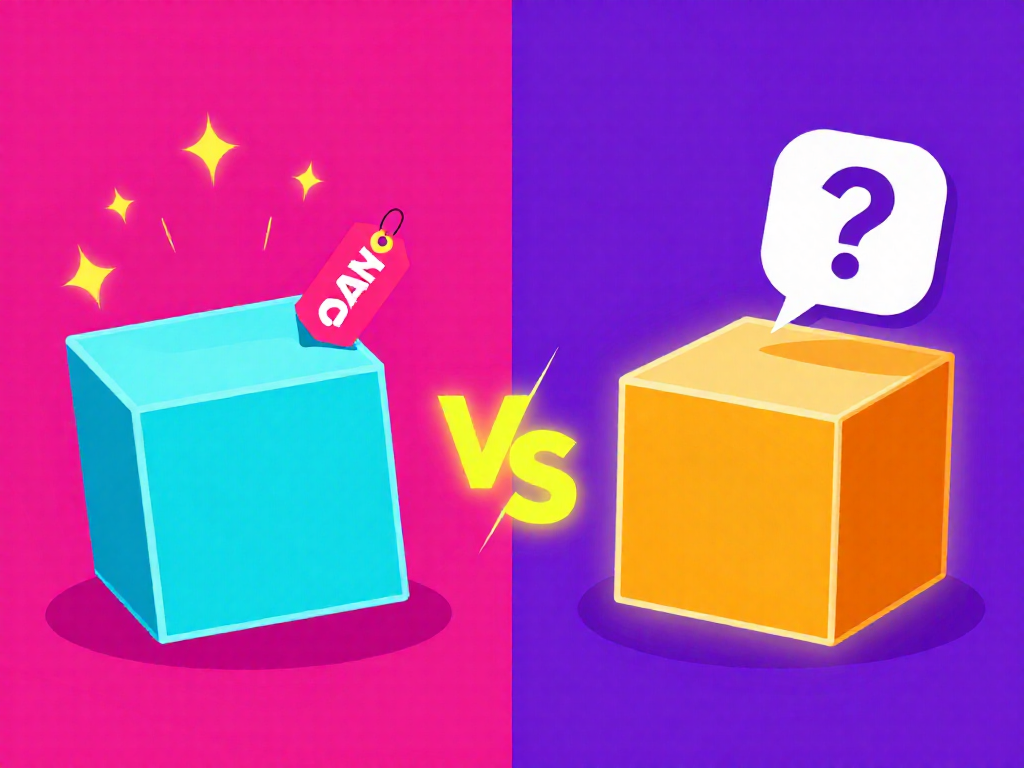
Buying a board game secondhand can be a smart move for beginners—if you know what to check first.
The wins
- Real savings. Used copies often run 30–60% off retail, which means you can try two or three games for the price of one new box.
- Access to out-of-print titles. Some great games are no longer printed. The used market (think local listings, hobby forums, and resale apps) is often the only way to find them.
- Low-stakes experimenting. Want to test whether your family enjoys cooperative games (where everyone plays as a team against the game) before spending full price? Used copies make that cheap and easy.
- Bargains on "big box" games. Pricier games with lots of pieces sometimes show up used at a fraction of their cost.
The risks
- Missing pieces. Cards, tokens, dice, or even the rulebook can go missing. A game with lost components may be unplayable, so always ask the seller for a photo of everything laid out.
- No returns. Most private sales are final, unlike a store. If the box arrives incomplete, you usually can't send it back.
- Condition varies. Worn cards or water-stained boards are common; "used" can mean anything from like-new to rough.
Who this is for: budget-conscious families and curious newcomers who don't mind a few extra questions before buying. If you'd rather avoid any guesswork, buying new is the safer bet.
Where to Buy: A Channel-by-Channel Comparison
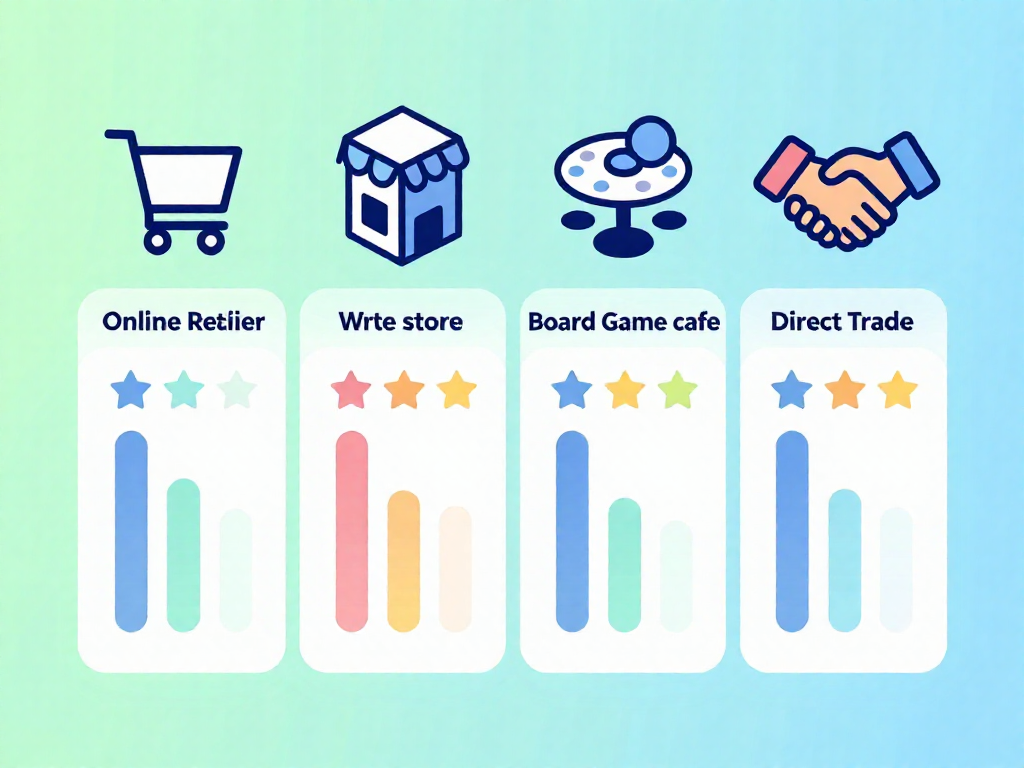
Once you've decided new or used, the next question is where. Each option trades cost for convenience and peace of mind. Here's how they stack up for beginners.
Local game stores (LGS) — An LGS is an independent shop that specializes in tabletop games. The big win is people: staff can demo a game, match it to your family, and explain the rules in plain English. Many host open play nights, so you can try before you buy. Prices often run a little higher than online, but you're paying for advice and a community space. Best for: nervous first-timers who want a real recommendation.
Big online retailers (Amazon, Target, Walmart) — Hard to beat for convenience, frequent sales, and no-hassle returns if a box shows up damaged. The catch is zero guidance—you're on your own to pick the right title. Best for: people who already know what they want and like easy returns.
Used marketplaces (BoardGameGeek Marketplace, eBay, Facebook groups) — BoardGameGeek (BGG) is the hobby's main community site, and its Marketplace is full of vetted sellers. These spots offer the best prices, but you must read condition notes carefully and confirm all pieces are included. Best for: patient bargain hunters willing to message a seller.
Thrift stores and garage sales — The cheapest path, and occasionally a real treasure. The gamble: boxes are rarely complete, and there's no return. Always count the pieces before you pay. Best for: casual browsers who don't mind a miss.
| Channel | Price | Condition Certainty | Return Safety | Beginner-Friendly |
|---|---|---|---|---|
| Local game store | Higher | High | High | ★★★★★ |
| Big online retailers | Low–Medium | High | High | ★★★★☆ |
| Used marketplaces | Low | Medium | Medium | ★★★☆☆ |
| Thrift / garage sales | Lowest | Low | None | ★★☆☆☆ |
Verdict: If this is your first purchase, start at a local game store or a big online retailer—the guidance and easy returns are worth a few extra dollars while you find your footing.
How to Inspect a Used Game Before You Buy
The biggest worry with used games is simple: what if pieces are missing? A few minutes of checking before you pay almost always prevents that headache. Run through this quick checklist with any used game you're eyeing.
- Ask for a component count and photos. Request a clear photo of every part laid out, plus the seller's count of cards, tokens, and miniatures. "Components" just means all the physical pieces that come in the box.
- Compare it to the official parts list. Look up the game on BoardGameGeek (BGG)—a free community database for tabletop games. Most listings show the full contents so you can match them against the seller's photos.
- Confirm the rulebook is included. If it's missing, check whether the publisher offers a free PDF online. Many do, which can make a rulebook-free copy a fine deal.
- Scan photos for damage. Watch for water stains, warped boards, heavy wear on card edges, or any mention of a smoke smell—these are hard to fix and easy to avoid.
- Favor "complete" listings from rated sellers. A seller who states the game is complete and has strong reviews is your safest bet.
Do these five things and you'll dodge the most common beginner regret: opening a "great deal" only to find you can't actually play it.
A Simple Buying Plan for Your First 5 Games
You don't need a perfect plan—just a confident first step. Here's an easy order to follow.
-
Start new with 1–2 gateway games. A "gateway game" is a beginner-friendly title with simple rules that eases new players into the hobby. Buying these new guarantees all the pieces are there, so your first game night goes smoothly. Look for picks rated for 2–4 players, ages 8+, 30–45 minutes, and easy difficulty.
-
Switch to used once you know your taste. After a few nights, you'll see what your family loves—quick party games or longer cooperative ones. Now used marketplaces save real money on your next picks.
-
Set a per-game budget. Decide a comfortable cap (say, $25–$40 new) and watch for seasonal sales around the holidays and spring.
-
Bookmark sellers you trust. Save reliable online sellers and a local game store for easy future pickups.
Who this is for: brand-new families who want a low-stress, budget-aware way to build a collection. No strategy expertise required.
See also
- Best Gateway Board Games for Beginners
- How to Set Up a Great Family Game Night at Home
- Board Game Buying Guide: Terms Every Beginner Should Know
- Top Family Board Games Under $30
Related articles
Should You Buy a Board Game Expansion? A Beginner's Guide
Are board game expansions worth buying for beginners? Learn when an expansion adds fun, when it adds complexity, and how to choose the right one for game night.
Jun 27, 2026 · 6 min read
Pandemic Review: Is the Classic Co-op Game Right for Your Family?
An honest, jargon-free Pandemic review for families. See how it plays, what ages it suits, and whether this co-op classic fits your game nights.
Jun 27, 2026 · 11 min read
Best Quick Board Games You Can Finish in Under 30 Minutes
Short on time? These quick board games play in 30 minutes or less—perfect for busy families and game nights. Easy rules, fast fun, no strategy jargon.
Jun 27, 2026 · 8 min read