What Does 'Eurogame' Mean? Hobby Jargon Demystified
What is a eurogame and how does it differ from other styles?
On this page
What Is a Eurogame? The Short Answer
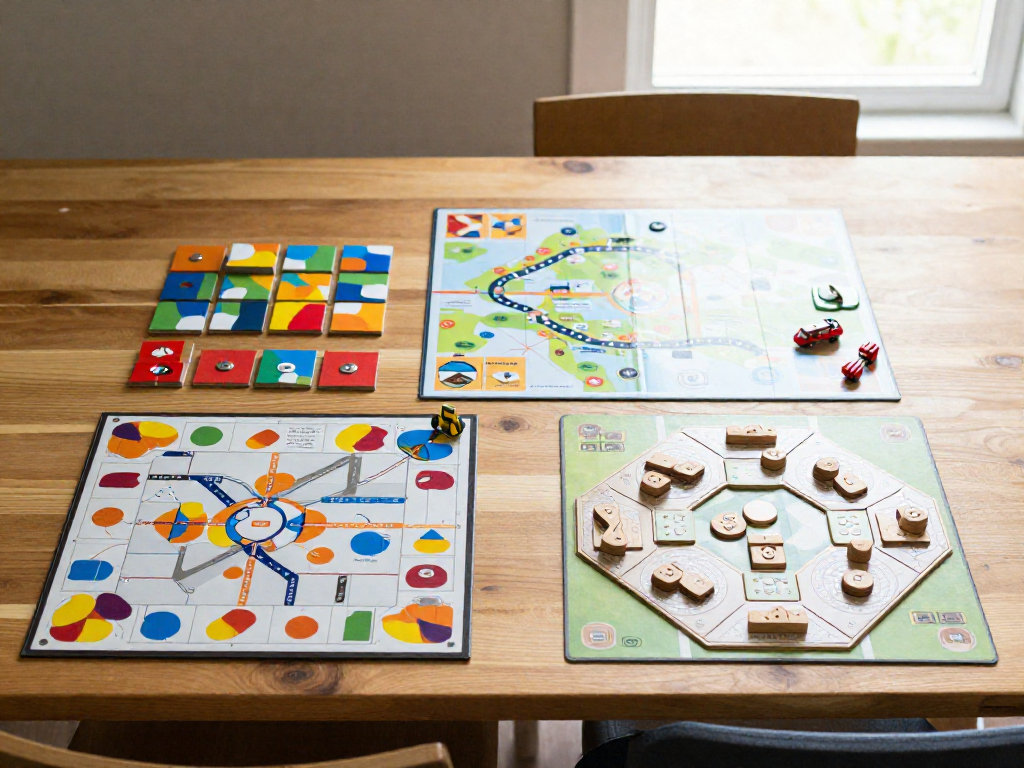
A eurogame is a strategy board game where you win by building, gathering resources, and racking up points—not by attacking other players or knocking them out of the game. Instead of battling for survival, everyone usually plays all the way to the end, and the person with the most points wins.
The name comes from the wave of designers in Germany and the rest of Europe who popularized this style, which is why you'll also hear them called "German-style games" or "designer games." (Don't worry, the country of origin doesn't change how you play.)
You've probably already met a few. Catan (trading resources to grow settlements), Ticket to Ride (claiming train routes across a map), and Carcassonne (laying tiles to build a medieval countryside) are all eurogames—and all three are go-to picks for game nights with mixed experience levels.
Here's the reassuring part: "euro" does not mean complicated, dry, or unwelcoming. Plenty of eurogames are quick to learn, friendly for kids and grown-ups together, and designed so no one feels singled out or eliminated early. The label simply describes a flavor of game—one built around smart, satisfying choices rather than direct conflict.
In short: if you like the idea of out-thinking and out-scoring your family without the "gotcha" of being attacked, eurogames are a great place to start.
The Core Traits That Make a Game 'Euro'
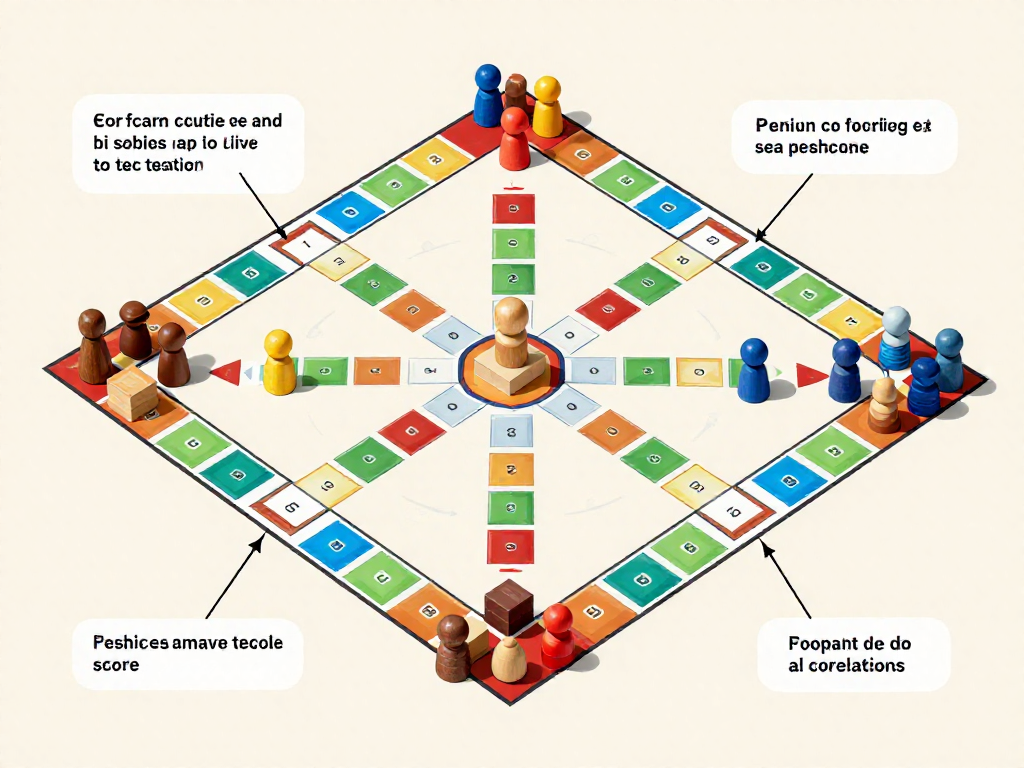
Once you've played a few, eurogames start to feel familiar. Here are the traits that give them away.
You compete for points, not by knocking people out. Instead of attacking opponents directly, you're usually racing to score the most "victory points"—a running tally that decides the winner. You might out-build or out-plan someone, but you rarely destroy what they've made. This is what hobbyists mean by indirect competition.
Decisions matter more than dice. Many classic games swing on a lucky roll. Eurogames lean the other way: there's little or no luck, so the player who plans best tends to win. That makes them satisfying for people who like puzzling things out—though it also means a strong player can pull ahead through smart choices alone.
You manage resources and build "engines." A resource is anything you collect to spend later—wood, coins, wheat, energy. Engine-building is the satisfying part: you set up combos so that each turn produces more than the last, like planting crops that fund better tools that grow even more crops. Early turns feel slow; later turns feel powerful.
Nobody gets sent home early. Player elimination—being knocked out before the game ends—is rare. Everyone keeps playing until the final scoring, so no one sits on the sidelines watching. That's a big reason eurogames work well for family game night.
The theme is usually light. The setting (trading spices, farming, building a city) is often described as "pasted on," meaning the story is pleasant background rather than the point. The mechanics drive the fun.
Family note: because conflict is indirect and luck is low, most eurogames are calm and approachable. The main hurdle for young kids is reading and planning ahead, not scary content.
Eurogames vs. Other Game Families
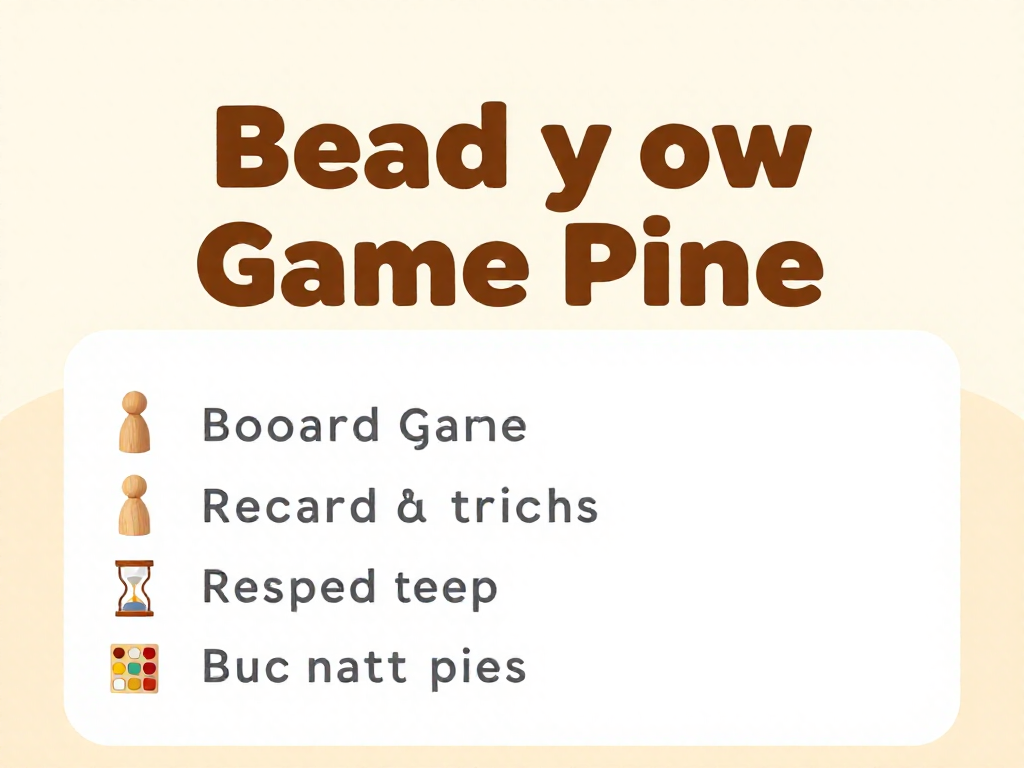
The fastest way to "get" Eurogames is to line them up against styles you already play. Here's how they compare.
Euro vs. "Ameritrash" games. Ameritrash (an affectionate hobby nickname for "American-style" games) leans hard into theme, story, and direct conflict—think dice rolls, big swings of luck, and players attacking each other. Eurogames flip that: less luck, little or no direct conflict, and you usually win by quietly building the best engine. If your table loves drama and dice, you may find pure Euros a bit dry; if you hate getting knocked out, you'll love them.
Euro vs. party games. Party games like Codenames or Telestrations are about laughter, big groups, and quick rounds. Eurogames are quieter, more thoughtful, and built for focused play. Different moods—keep both on the shelf.
Euro vs. classic family games. Monopoly and Sorry! run on luck and can knock players out or drag on. Most Euros keep everyone in until the end and reward planning over a lucky roll, which is why hobbyists often call them "the grown-up upgrade" to childhood classics.
Euro vs. co-op games. In co-op (cooperative) games, everyone teams up against the game itself. Many Euros are competitive instead—you're all building side by side, racing for points, but not sabotaging one another.
A heads-up on "hybrid" games. Plenty of modern titles blend these styles—a Euro engine with a strong theme, or some luck mixed in. So "Euro" describes a leaning, not a rigid box. Don't be surprised when a favorite straddles two camps.
Why Families and New Hobbyists Love Euros
If you've ever had a game night fall apart because someone got eliminated early and spent the next hour bored on the couch, Eurogames are your friend. In this style, everyone usually plays until the very end—there's no "knocked out" rule—so kids and casual players stay in the action the whole time. That alone solves the most common family game-night headache.
Euros also reward smart choices over luck, but they rarely let players attack or sabotage each other directly. That "skill-based but not mean" balance makes them great for mixed ages: a thoughtful 10-year-old can compete with the grown-ups without anyone feeling picked on. Fewer direct conflicts also means far fewer arguments than the roll-and-move classics (think Monopoly), where a single dice roll can spark real frustration.
Best of all, the setups and winning paths change every time you play, so a game stays fresh for months instead of feeling solved after two rounds.
If your goal is a calm, engaging evening where everyone has a fair shot, a beginner-friendly Euro is the easiest place to start.
Beginner-Friendly Eurogames to Try First
Ready to play one tonight? Here are five Eurogames we've put on the table again and again with new players. (Reminder: a "Eurogame" rewards smart planning over luck and rarely knocks anyone out early.) Each note lists ideal player count, age, play time, and how hard it is to learn.
-
Ticket to Ride — 2–5 players, ages 8+, ~45 min, very easy. You collect train cards and connect cities for points. The clearest on-ramp for total beginners. Best for: first-timers and mixed-age families.
-
Catan — 3–4 players, ages 10+, ~60–75 min, easy-moderate. Trade resources and build roads and settlements. The classic that started the hobby for many. Best for: groups who like a little negotiation. One catch: trading can stir mild table tension, so it suits players who take competition in stride.
-
Carcassonne — 2–5 players, ages 7+, ~35 min, easy. Lay tiles to build a countryside and claim it. Quick, calm, and forgiving. Best for: short sessions and younger kids.
-
Azul — 2–4 players, ages 8+, ~40 min, easy. Draft colorful tiles to decorate a wall. Gorgeous, tactile, and almost zero reading. Best for: visual thinkers and anyone wary of rules-heavy games.
-
Splendor — 2–4 players, ages 10+, ~30 min, easy. Collect gems to buy cards that make future cards cheaper—your first taste of "engine-building" (small advantages that snowball). Best for: fast, repeatable game nights.
All five are family-friendly with no objectionable content. Start with Ticket to Ride or Azul if you want the gentlest landing.
Quick Glossary: Other Hobby Terms You'll Hear
Once you start shopping for games, a few more words pop up again and again. Here's a plain-English cheat sheet:
- Gateway game — An easy, welcoming game made to introduce newcomers to the hobby. Think simple rules, short play time, and a quick "aha!" moment.
- Worker placement — A turn style where you assign your tokens to spots on the board to grab resources or actions. Once a spot is taken, it's often blocked for everyone else.
- Engine building — Setting up combos so each turn gets stronger, like a snowball rolling downhill—small moves early lead to big payoffs later.
- Meeple — The little wooden person-shaped piece used as your playing token (a mash-up of "my" and "people").
- Victory points (VP) — The score you collect to win; most points at the end takes the game.
- AP (analysis paralysis) — When a player freezes up overthinking their move. Totally normal—just nudge them along kindly.
See also
- Best gateway board games for beginners
- How to set up and play Ticket to Ride
- Catan rules explained in plain language
- Co-op board games the whole family can play
- Board game terms every beginner should know
Related articles
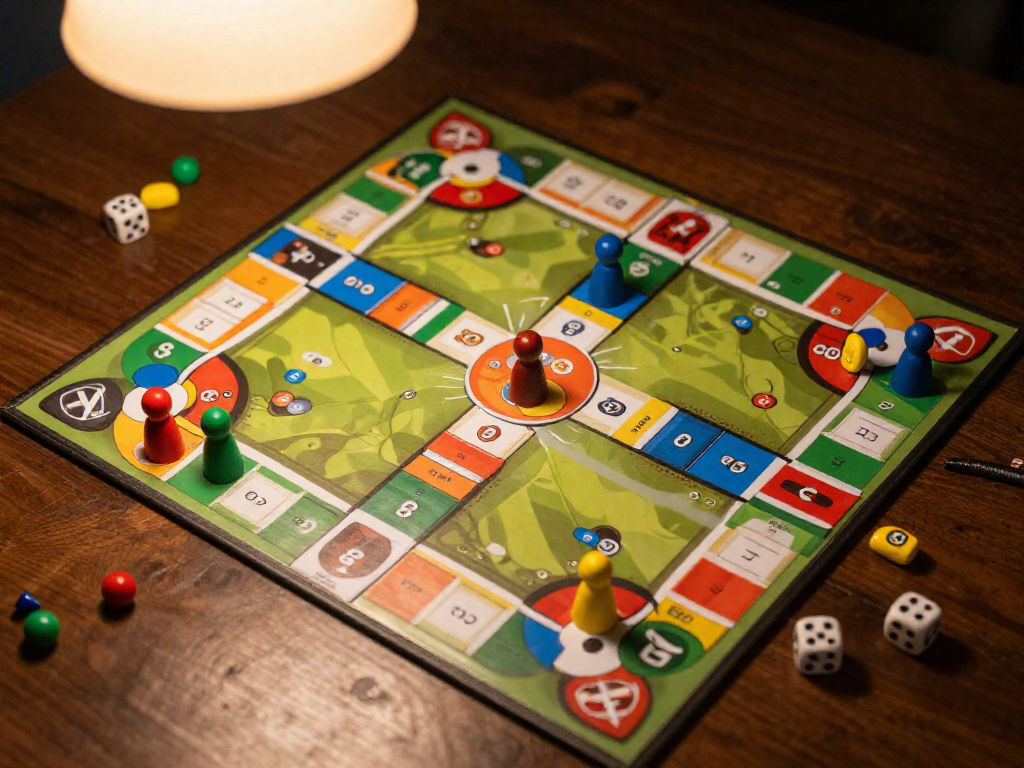
How Does Scoring Work in Board Games? Points Explained Simply
Confused about who wins and why? Learn how board game scoring works—victory points, race conditions, and tracking—in plain language for family game night.
Jun 27, 2026 · 9 min read
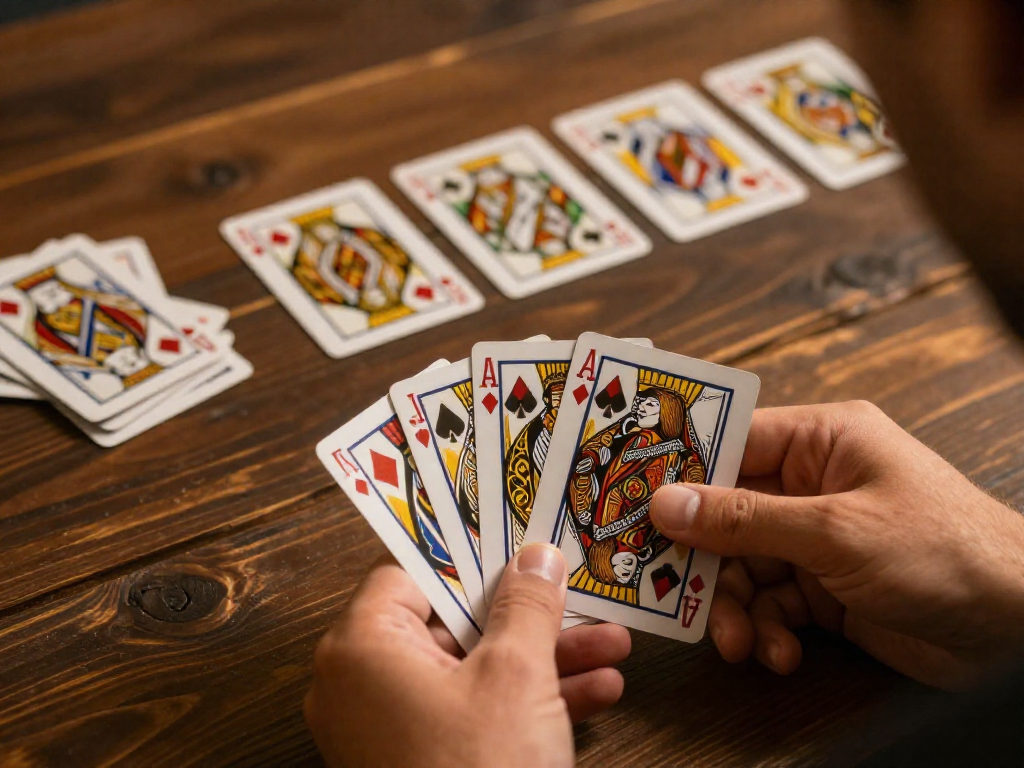
Deck-Building Explained: How These Games Actually Work
New to deck-building games? Learn what they are, how the core mechanic works, and which beginner-friendly titles to try first—explained in plain language.
Jun 27, 2026 · 10 min read
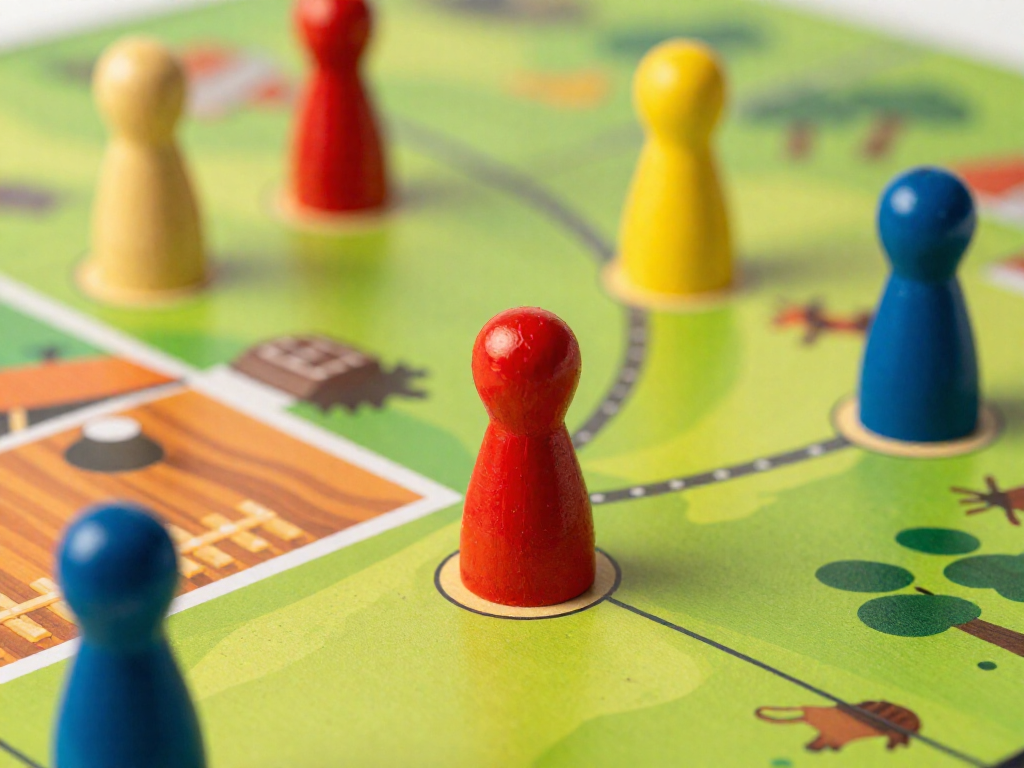
Worker Placement Explained: A Beginner's Guide to the Mechanic
What is worker placement in board games? A plain-language guide to how the mechanic works, why it's fun, and beginner-friendly games to try first.
Jun 27, 2026 · 8 min read