Deck-Building Explained: How These Games Actually Work
What is a deck-building game and how does it work?
On this page
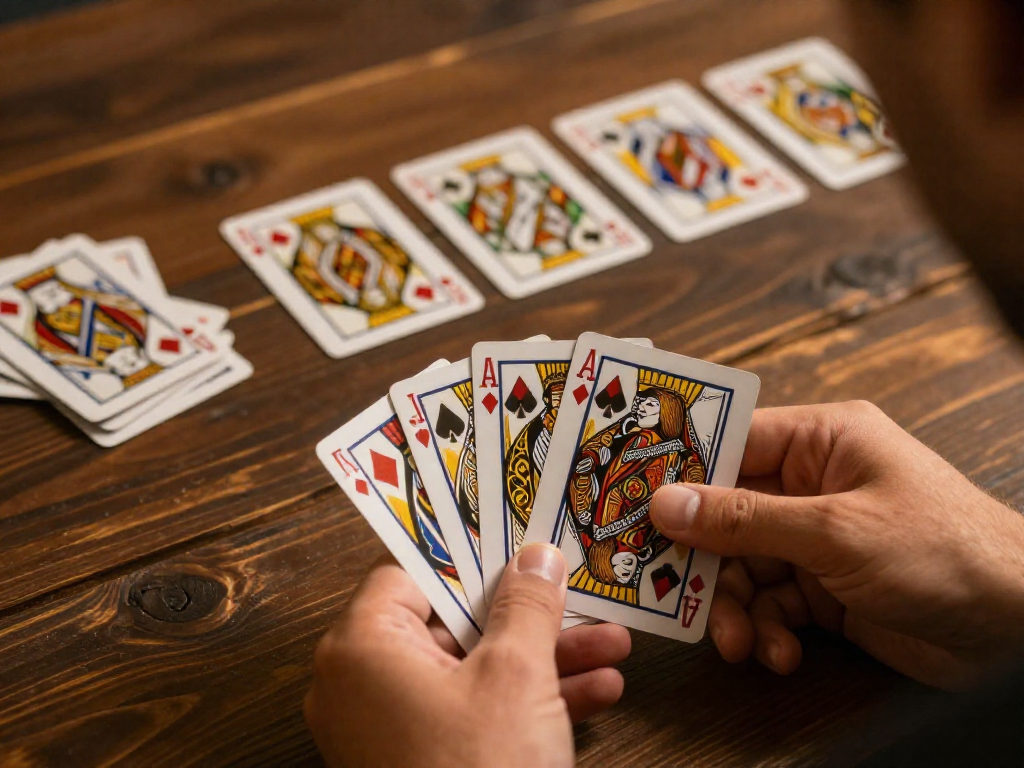
Open by naming the moment of confusion many beginners feel ("wait, I build the deck while I play?") and promise a jargon-free explanation. Use a familiar comparison—snowballing a small allowance into bigger purchases—to make the mechanic click before any rules are introduced.
What Is a Deck-Building Game?
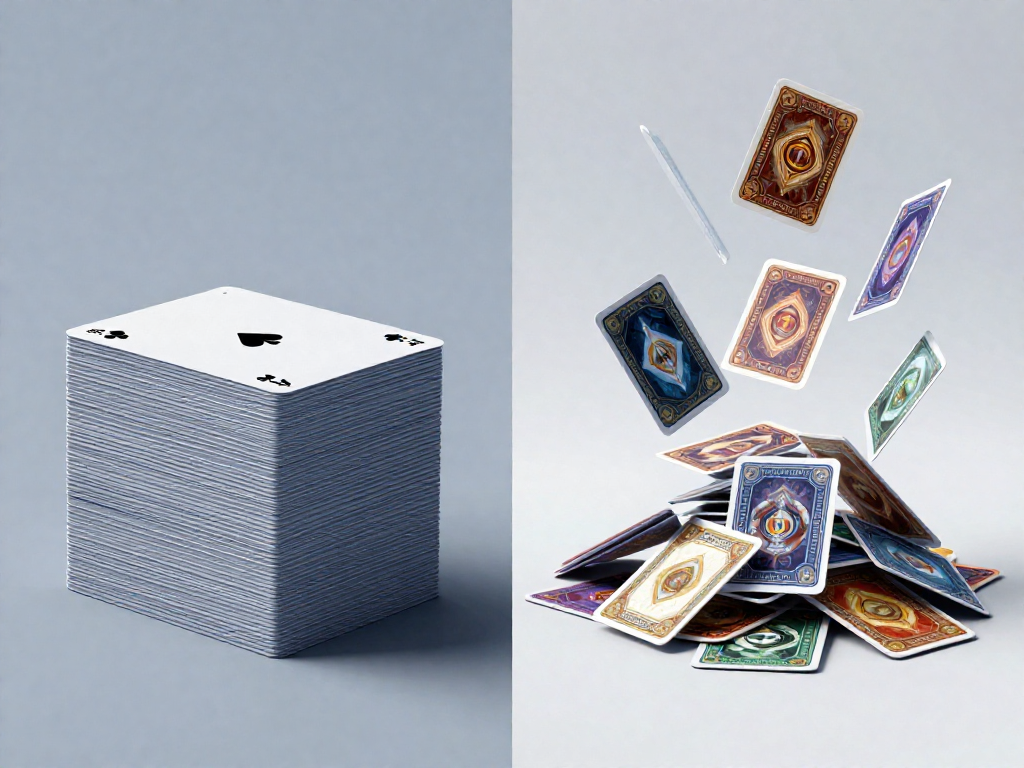
A deck-building game is a card game where you start with a small, weak deck of cards and gradually improve it as you play. Instead of building your deck before the game starts, you build it during the game—buying or earning better cards on each turn and mixing them into the pile you draw from. That growing deck is your engine: the cards you add decide what you'll be able to do next, so every choice slowly shapes your strategy.
This is the big difference from traditional card games. In something like a standard deck of playing cards, your deck is fixed before you sit down—everyone works with the same cards and you simply play what you're dealt. In a deck-builder, your deck is personal and constantly changing. Two players at the same table can end up with completely different collections by the final round.
If you've heard of Dominion, Clank!, or Star Realms, those are all popular deck-building games. Dominion is widely credited with kicking off the genre, Clank! adds a board you move around, and Star Realms is a fast two-player duel. They play very differently, but they all share that same satisfying core: turning a humble starting hand into a powerful, custom-built deck.
How the Core Loop Works, Turn by Turn
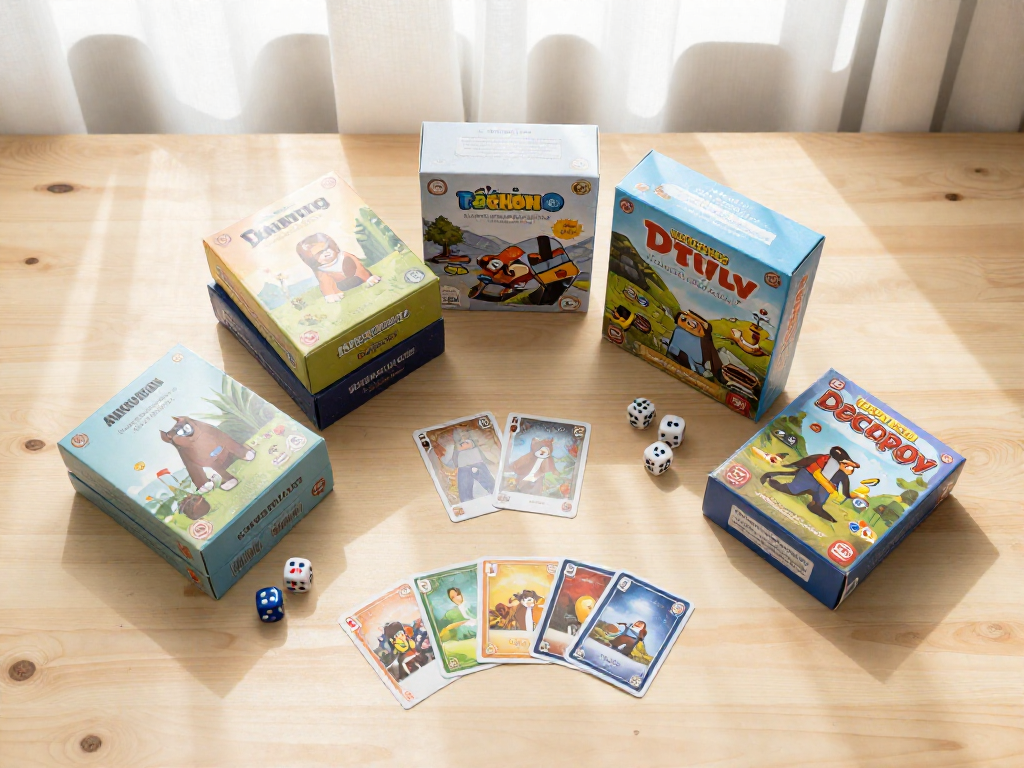
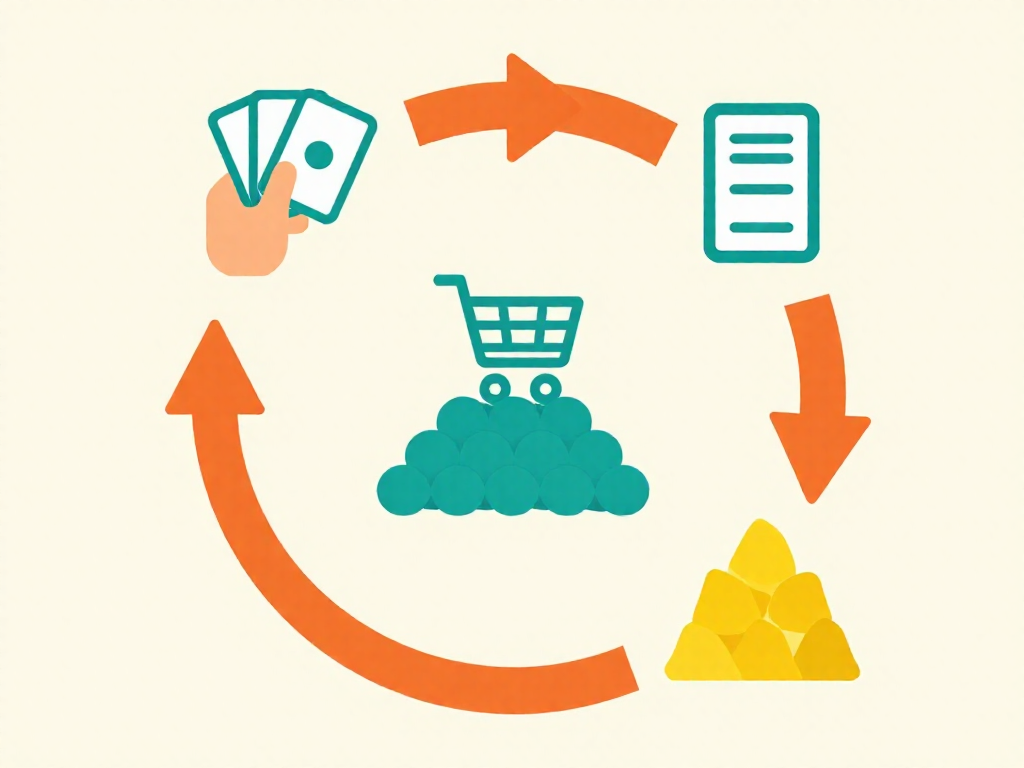
The best way to "get" deck-building is to watch a single turn play out. Almost every game in this genre follows the same four-step rhythm, and once it clicks, you can sit down to most new titles without re-learning the basics.
1. Draw your hand. At the start of your turn you draw cards from your personal deck—usually five. This is your toolkit for the turn, and you can only work with what you drew. That randomness is the fun: every turn is a small puzzle.
2. Play cards for money and actions. You lay your cards on the table to produce two things. The first is buying power (many games literally call these "coins" or "money"). The second is actions—extra effects like drawing more cards, attacking opponents, or playing additional cards. A strong turn chains these together so one card sets up the next.
3. Buy a new card from the market. In the center of the table sits a shared market—a row of better cards available to everyone. You spend the money you generated to buy one (sometimes more). Here's the twist that surprises newcomers: the card you buy doesn't come into your hand. It goes into your discard pile and won't show up until later.
4. Discard everything and continue. At the end of your turn, every card you played and every card still in your hand goes to your discard pile. You draw a fresh five for next time. When your deck runs out, you shuffle that discard pile—now including your new purchases—into a brand-new deck.
That last loop is the whole game. You start with a weak, generic deck, and over many turns you "thin" out the dull starting cards and "add" stronger ones. Slowly your deck transforms into a well-oiled engine that produces big turns. Building that engine, turn by turn, is exactly where the satisfaction comes from.
Key Terms in Plain English
Deck-building games come with a handful of words that sound fancier than they are. Here's what they actually mean at the table.
-
Starting deck (starter cards): The small set of basic cards everyone begins with—usually weak coins and simple actions. Think of it as your starting hand of tools before you upgrade.
-
The market (also called the supply or "the row"): The pool of cards in the middle of the table that everyone can buy from. On your turn, you spend resources to pull better cards out of this shared display and into your own deck.
-
Deck thinning (trashing): Permanently removing your weakest starter cards from the game. Fewer junk cards means you draw your good cards more often. "Trashing" just means setting a card aside for good, not destroying anything physical.
-
Engine building and synergy: Your "engine" is the combination of cards that work together to do more each turn—draw extra cards, earn more money, take more actions. "Synergy" simply means two cards that boost each other. A good engine snowballs, getting stronger as the game goes on.
-
Shuffle and reshuffle: When your draw pile runs out, you shuffle your discard pile to form a new one. Because you can't control card order, the cards you buy now will eventually circle back—so every purchase shapes future turns.
That's the whole vocabulary. Master these five and you'll follow any deck-builder's instructions with ease.
Why People Love Deck-Builders (and Who They're For)
Deck-builders hit a sweet spot for families: they're quick to learn, but every turn gives you a real choice to chew on. You're deciding which new cards to add to your deck (the personal pile of cards you draw from), and those small decisions add up without bogging anyone down in long-term strategy.
A big plus for nervous newcomers: most cards sit face-up in a shared market (the central row of cards everyone can buy from). There's little hidden information, so no one feels blindsided, and it's easy to talk through options together.
That openness also makes them great for mixed-skill groups. A 10-year-old and a board-game veteran can sit at the same table and both have fun. And because the market shuffles up differently every game, no two sessions play out the same way—so they stay fresh after repeat plays.
When might a deck-builder not fit? Skip them for very young kids (under 8), since the reading and math can frustrate. And players who hate waiting through others' turns may find the downtime tedious.
Beginner-Friendly Deck-Building Games to Try First
Ready to play? These picks ease you in without a strategy degree. (Difficulty is rated 1–5, where 1 is "read it once and go.")
Star Realms / Hero Realms — Best for couples and quick sessions. The cheapest way in, and games fly by.
- Players: 2 (expandable) · Ages: 12+ · Time: 20 min · Difficulty: 2
- Pros: Inexpensive, fast, travel-friendly. Cons: Light theme; mostly head-to-head combat.
- Who it's for: Two players wanting a punchy after-dinner duel.
Dominion — Best for understanding the genre. The game that started it all, with no shared board—just cards on the table.
- Players: 2–4 · Ages: 14+ · Time: 30 min · Difficulty: 3
- Pros: Endless variety from swappable card sets. Cons: Can feel dry; no story or board.
- Who it's for: Curious adults who want the "classic" experience.
Clank! — Best for family game night. Adds a board you sneak across to grab treasure, so there's adventure beyond the cards.
- Players: 2–4 · Ages: 13+ · Time: 60 min · Difficulty: 3
- Pros: Tense, thematic, great table energy. Cons: Longer; cartoon-fantasy peril (no graphic content).
- Who it's for: Families with tweens and up.
Aeon's End — Best for cooperative tables. Everyone teams up against a boss (a co-op game = you all win or lose together).
- Players: 1–4 · Ages: 14+ · Time: 60 min · Difficulty: 4
- Pros: No player elimination; great solo. Cons: Steepest learning curve here.
- Who it's for: Groups who'd rather cooperate than compete.
Younger kids? Try Aquicorn Cove or a lighter co-op for ages 8+.
Quick Tips for Your First Game
Your first deck-building game (a game where you start with a small set of cards and gradually "build" a stronger one as you play) goes smoother with a few simple habits:
- Don't grab every shiny card. A focused deck beats a crowded one. The more cards you add, the less often you'll see the good ones.
- Trash your weak starters. "Trashing" means permanently removing a card from your deck. Cutting those basic starting cards lets your stronger buys come up more often.
- Pick a theme and lean in. Aim for cards that work together—say, all attack or all card-draw—rather than a little of everything.
- Be patient on early turns. The first few rounds feel slow because your deck is still weak. That's by design; your engine kicks in once your better cards start showing up.
Relax, make a few buys, and let the deck come together.
FAQ
What is a deck-building game in simple terms?
A deck-building game is a card game where you start with a small, weak set of cards (your "deck") and gradually buy better cards during play to make that deck stronger. Instead of bringing a pre-made collection from home, everyone builds their deck right at the table from a shared pool of cards. As the game goes on, the upgraded cards help you earn points or beat opponents. The fun is in the "engine-building"—watching your once-flimsy deck turn into a smooth, powerful machine over the course of a single session.
How is a deck-builder different from a regular card game like Magic?
The big difference is when and where you build your deck. In a collectible card game like Magic: The Gathering, you spend time (and money) buying booster packs and carefully constructing your deck before you ever sit down to play. In a deck-building game, everyone starts equal with the same basic cards, and you build your deck during the game from cards available to all players. That means no collecting, no deck-prep homework, and no advantage for the person who spent the most money—you just open the box and play.
What's the best deck-building game for beginners?
Clank! is a great first deck-builder for families and new hobbyists. You build your deck while sneaking through a dungeon to grab treasure and escape before a dragon catches you, which gives the card-buying a fun, easy-to-follow goal. Ideal player count: 2–4. Age range: 10+ (younger kids can play on a team with an adult). Play time: 30–60 minutes. Difficulty: easy to moderate. Pros: exciting press-your-luck tension, simple core rules, and a board that makes the strategy visible. Cons: games can run long with four players, and the dragon "attacks" may feel tense for very young children. Who this is for: families with tweens and up, or adult groups wanting an approachable, theme-rich introduction to the genre.
How long does a deck-building game take to play?
Most deck-building games run about 30 to 60 minutes, with many beginner-friendly titles landing right around 30–45 minutes. Shorter, simpler games can wrap up in 20 minutes, while bigger "adventure" deck-builders with a board can stretch past an hour, especially with more players. A good rule of thumb: add roughly 10–15 minutes per extra player beyond two. For a relaxed family game night, look for a box that lists 45 minutes or less so the game stays fun and doesn't outlast everyone's attention.
Can kids play deck-building games?
Yes—many deck-building games work well for kids, especially those aged about 8 and up, since the genre rewards simple decision-making (buy this card or that one?) rather than fast reflexes. The easiest entry point is a lighter, themed title, and younger children can join by playing on a team with an adult who helps with reading or choices. Check the box for the recommended age and the play time, and watch for themes like combat or mild fantasy peril that some young kids may find intense. For under-8 players, look specifically for games labeled as family or kids' editions, which streamline the rules and soften the theme.
Do you need to be good at strategy to enjoy deck-builders?
Not at all. You can enjoy a deck-builder just by making sensible choices—buying cards that look useful and watching your deck improve—without any deep planning or jargon. The genre is forgiving because there's no single "correct" move and the game gives you new chances every turn. Strategy is there if you want to chase it later, but beginners regularly have a great time on their very first play. If you can decide between two cards and want to see your deck get stronger as you go, you already have everything you need to play and enjoy one.
See also
- Best Board Games for Family Game Night
- How to Teach a New Board Game Without Reading the Whole Rulebook
- Two-Player Board Games Worth Owning
- Board Game Mechanics Explained: A Beginner's Glossary
Related articles
How Does Scoring Work in Board Games? Points Explained Simply
Confused about who wins and why? Learn how board game scoring works—victory points, race conditions, and tracking—in plain language for family game night.
Jun 27, 2026 · 9 min read

What Does 'Eurogame' Mean? Hobby Jargon Demystified
What is a eurogame? A plain-language guide to the eurogame style, how it differs from other board game families, and easy titles to try at home.
Jun 27, 2026 · 6 min read
Worker Placement Explained: A Beginner's Guide to the Mechanic
What is worker placement in board games? A plain-language guide to how the mechanic works, why it's fun, and beginner-friendly games to try first.
Jun 27, 2026 · 8 min read