Pandemic Review: Is the Classic Co-op Game Right for Your Family?
Is Pandemic a good cooperative game for beginner families?
On this page
Pandemic at a Glance
Quick verdict: Pandemic is one of the best starting points for families who want to team up instead of face off—just expect a few tense, brain-bending nights as you learn the ropes.
Here are the fast facts before we dig in:
| Detail | What to know |
|---|---|
| Players | 2–4 |
| Ages | 8 and up |
| Play time | About 45 minutes |
| Type | Fully cooperative—everyone plays on one team against the board (no "winner" among you) |
| Made by | Designed by Matt Leacock, published by Z-Man Games |
| Best for | Families who'd rather solve a problem together than compete |
In Pandemic, you and your group are a team of specialists racing to stop four diseases from spreading across the world. Because it's cooperative—meaning you all win or lose together—nobody gets knocked out and no one ends the night a sore loser. That makes it a great fit for mixed-age game nights where you'd rather build teamwork than rivalry.
It does lean a little brainy, so younger players at the 8+ mark may need a helping hand. Read on for the full hands-on breakdown of what works, what doesn't, and exactly who should add it to the shelf.
What Is Pandemic and How Do You Win?
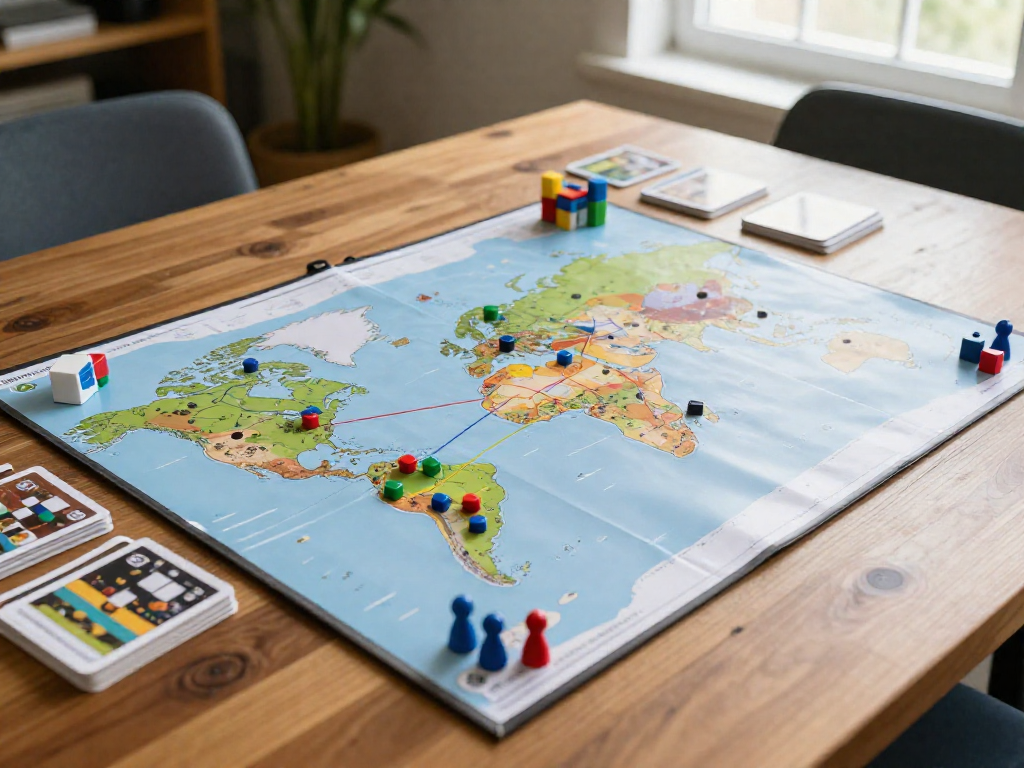
Picture this: four nasty diseases are breaking out across a world map, jumping from city to city faster than anyone can keep up. In Pandemic, you and your fellow players are a team of specialists—a Medic, a Scientist, a Researcher, and so on—racing to stop the spread before the whole board boils over. The big difference from most games you've played? Nobody plays against each other. This is a co-op game (short for cooperative), meaning everyone is on the same side, working toward the same goal. You all win together, or you all lose together. There is no individual winner taking a victory lap.
Your goal: cure all four diseases. Each disease has a color—blue, yellow, black, and red. To cure one, a player needs to collect a set of matching City cards (cards that each show a city on the map) and turn them in at a research station. Find all four cures before the game beats you, and your team wins. That's the entire win condition. Simple to say, genuinely tense to pull off.
So how do you lose? Pandemic gives you three ways to fail, and you only need one of them to happen:
- Too many outbreaks. When a city gets overloaded with disease cubes (the little plastic markers that show infection levels), it "outbreaks" and spreads to neighboring cities. Rack up eight outbreaks total and the world is overwhelmed—game over.
- You run out of player cards. The deck you draw from each turn is also your timer. Empty it, and you've run out of time to find the cures.
- You run out of disease cubes. If a disease needs to spread but there are no cubes left in the box for that color, the infection is officially out of control.
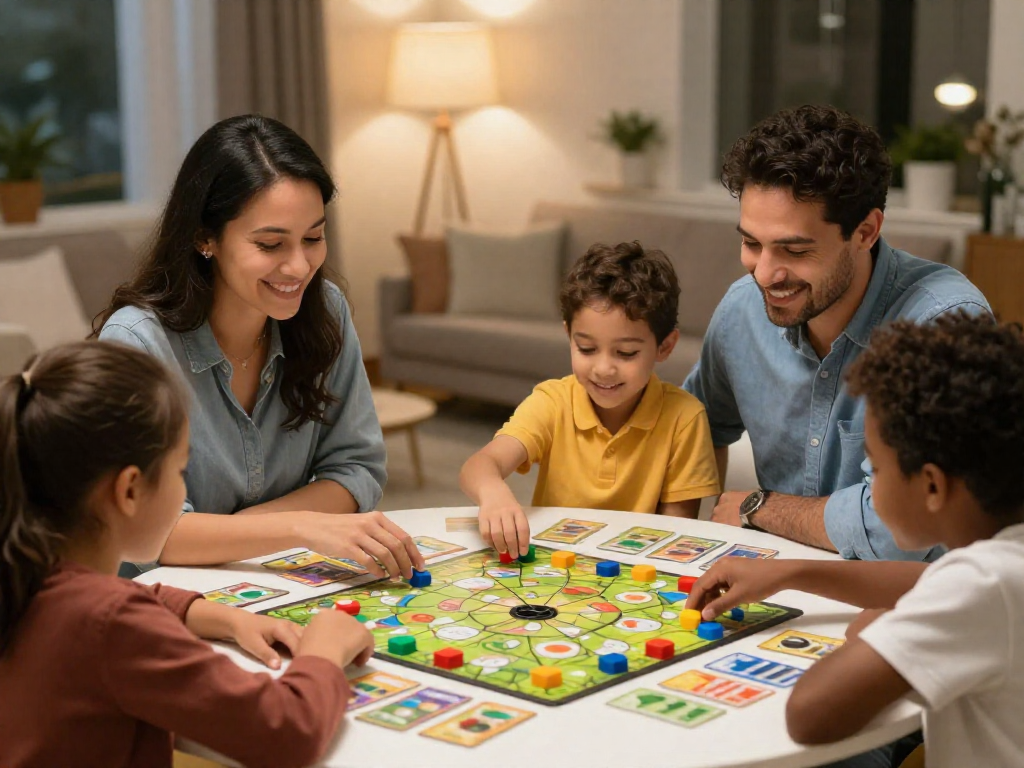
This shared-fate setup is what makes Pandemic feel so different from games like Monopoly or Sorry. Because you all sink or swim together, the table actually talks—planning moves, debating priorities, and groaning in unison when a bad card flips. It turns game night into teamwork instead of trash talk, which is exactly why so many families fall for it.
How a Turn Actually Works (Plain-Language Rules)

Here's the good news for nervous teachers: a turn in Pandemic is just the same three steps, every single time. Once your table gets the rhythm, you won't need the rulebook again.
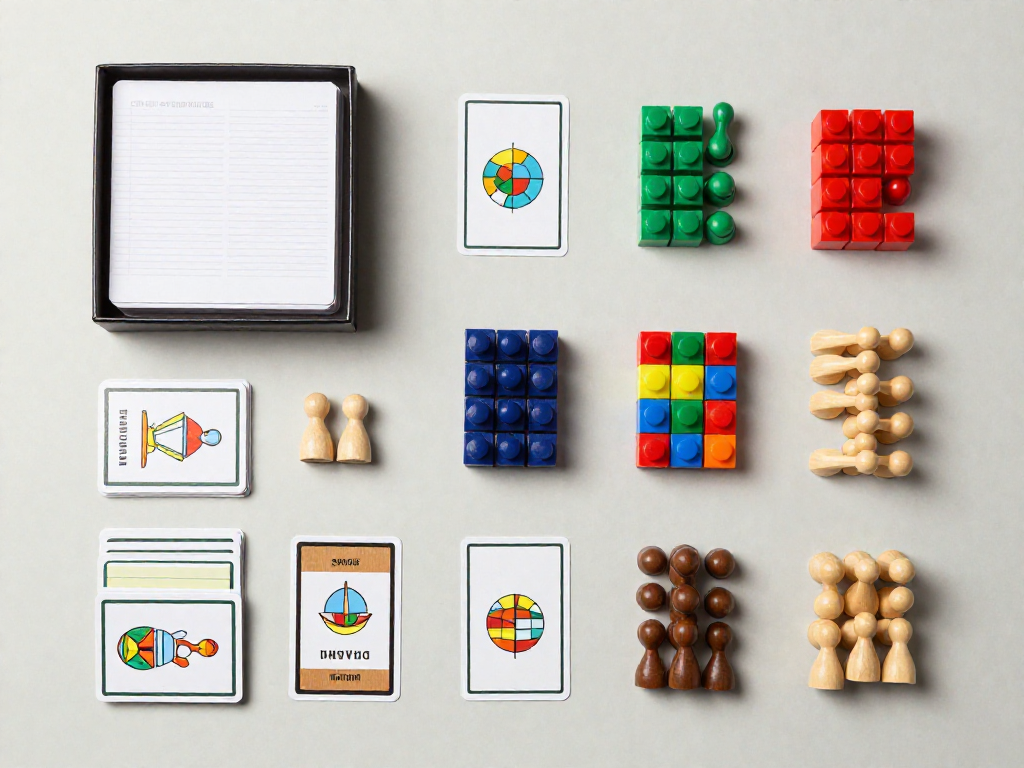
Step 1: Take 4 actions. Each player picks any mix of four actions on their turn. You don't have to use all four, and you can repeat the same one. The choices are:
- Move to a connected city on the board.
- Treat disease by removing one disease cube from your current city.
- Build a research station (a base that makes travel and curing easier).
- Share or cure — hand a matching City card to a teammate in the same city, or turn in a set of matching cards at a research station to cure a disease for good.
Step 2: Draw 2 player cards. These give you the City cards you'll collect toward cures. Hidden in the deck are Epidemic cards — when you flip one, the outbreak gets noticeably worse (more on that below).
Step 3: Infect the cities. You flip a few Infection cards and add disease cubes to those cities. If a city already has three cubes and would get a fourth, it outbreaks — the disease spills into every neighboring city, which can trigger a chain reaction. This is the heart-pounding part.
Roles make it click. Before you start, each player draws a role with one special power — the Medic clears cubes fast, the Scientist needs fewer cards to find a cure. Beginners can lean on their role's strength while learning the flow.
Why the tension ramps up: every Epidemic card you hit shuffles the already-infected cities back to the top of the infection deck, so the same hotspots keep flaring up. The board feels calm early and genuinely frantic by the end — in a fun, "one more turn" way, not a confusing one.
How long to teach it? Plan on about 10–15 minutes to walk a first-timer through a turn or two, then learn the rest by playing. Most families have the basics down before the first Epidemic hits. It teaches far faster than the busy board first suggests.
Is It Good for Families and Beginners?
Quick verdict: Yes—for most families with kids 10 and up, Pandemic is one of the easiest co-op games to fall in love with. (A co-op, or cooperative game, means everyone plays as a team against the game itself instead of competing against each other.)
Best for: 2–4 players · ages 10+ (younger kids can join on a team) · 45 minutes · easy-to-moderate difficulty
Here's the honest breakdown after many nights at our table.
What works
- No sore losers. Because you all win or lose together, there's no single kid melting down because a sibling beat them. The pressure shifts to "the disease," not to each other, which cuts way down on tantrums and gloating.
- It teaches real skills, painlessly. Kids practice planning a few moves ahead and talking through trade-offs ("Should I treat Lagos now or fly to help you?"). It feels like teamwork, not homework.
- It scales to your group. Difficulty is set by how many Epidemic cards you shuffle in—these are the cards that make outbreaks worse. Use 4 for an easy intro, 5 for standard, 6 for a real challenge. You can dial it down for a first game and crank it up once everyone's confident.
- It stays interesting. The board changes every game, so it's genuinely challenging and doesn't get stale after a couple of plays.
What to watch out for
- Ages matter more than the box suggests. The box says 8+, but in practice kids 8–10 often need an adult or older sibling steering the strategy; they'll enjoy helping more than running their own turns. Teens and adults keep up easily.
- One person can take over. The biggest co-op pitfall is the "alpha player" who quietly plays everyone's turn for them. Agree up front that each person decides their own moves—it keeps quieter family members engaged.
- It can feel tense. The clock-is-ticking pressure is fun for most, but very sensitive young kids may find a tight loss frustrating. The flip side: shared losses sting far less than personal ones.
Bottom line: A great first co-op for families with tweens and up who want teamwork over competition.
The Downsides Worth Knowing
No game is perfect, and Pandemic has a few quirks worth knowing before it lands on your table.
The "alpha player" problem. Because everyone can see the board and discuss every move, one confident person can quietly start running the whole game—telling others what to do on their turns. (In co-op circles this is called the "alpha player.") It's not malicious, but it can leave quieter players, including kids, feeling like passengers. The fix is simple: agree up front to rotate who leads each game, and ask the table to phrase ideas as suggestions ("What if you fly to Atlanta?") rather than commands. Let each person make their own final call.
You lose together. Pandemic is genuinely hard, and you don't lose alone—the whole team loses at once when the outbreaks pile up or the deck runs dry. For competitive kids, a group loss can sting more than getting beaten in a normal game. Frame it as a shared puzzle you'll crack next time, and the sting usually fades fast.
The theme can feel heavy. You're racing to contain spreading diseases, and after living through real-world outbreaks, some families find that uncomfortable—especially with younger children. If that's a concern, lean into the "team of scientists saving the world" angle rather than the disease itself, or save it for older kids who can handle the framing.
It's not a quick filler. Expect 45 minutes to an hour, a cleared table, and real focus from everyone. This isn't the game to pull out for five spare minutes before dinner. Plan it as the main event of game night, not a warm-up.
None of these are dealbreakers—but knowing them ahead of time helps you set the table, and expectations, the right way.
Tips for Your First Family Game Night
Pandemic clicks faster than most co-op (cooperative) games once a few small choices go your way. Here's how to set up your first session for success.
Start on the easiest difficulty. Pandemic's difficulty is set by how many Epidemic cards you shuffle into the deck—these are the cards that make the diseases spread faster. Use 4 (the "Introductory" level) for your first game. You can always bump it up later once everyone knows the flow.
Read the role powers aloud before you start. Each player draws a role with a special ability, like the Medic (removes disease cubes more efficiently) or the Dispatcher (moves other players around the board). Reading these out loud helps the table understand who's good at what before turn one.
Let kids handle treating diseases. Removing colored cubes from cities is the most satisfying and easiest job to grasp, so it's a great entry point for younger players. It keeps them hands-on without needing to track the whole board.
Plan out loud, together. Pandemic shines when everyone discusses the next move instead of one person quietly running the show. Talk through options as a group—it's more fun and teaches teamwork.
Don't sweat a loss. Pandemic is genuinely hard, and losing your first game (or first several) is completely normal. The diseases winning isn't a sign you played wrong; it's part of the design. Treat each loss as a warm-up and try again.
A quick reminder on the basics: Pandemic plays best with 2–4 players, ages 8 and up, in about 45 minutes, at an easy-to-moderate difficulty once you're past that first game.
Alternatives and Versions to Consider
Love the idea of a "work together to win" game (that's what co-op means—players win or lose as a team), but not sure base Pandemic is the right fit? Here are four routes depending on your table.
If your kids are younger or you want lighter rules: Forbidden Island. Same designer, same beat-the-board feeling, but gentler. Players: 2–4 · Ages: 8+ · Time: 30 min · Difficulty: Easy. The map literally sinks as you play, which kids find dramatic and easy to follow. Great first co-op for families with 6–7 year olds (with help).
If you want a faster, simpler Pandemic: Pandemic: Hot Zone – North America. A trimmed-down standalone version. Players: 2–4 · Ages: 8+ · Time: 30 min · Difficulty: Easy–Medium. Fewer cities and shorter games make it the cleanest on-ramp to the full experience without a long sit.
If your family is ready for an ongoing story: Pandemic Legacy (Season 1 or 0). Players: 2–4 · Ages: 13+ · Time: 60 min/session · Difficulty: Medium–Hard. A legacy game changes permanently over a multi-night campaign—you open sealed packets and even tear up cards. Best for tweens/teens and committed game nights, not casual one-offs.
When to skip co-op entirely. If your crew loves friendly rivalry and trash talk, a competitive game may land better. The shared-fate tension of Pandemic can frustrate players who'd rather win against each other than lose together.
Quick verdict: Start with Hot Zone or Forbidden Island for new or younger families; save Legacy for groups already hooked on co-op.
The Verdict
Thumbs up — 4.5 out of 5. Pandemic is one of the best cooperative games (a game where everyone plays as a team against the board instead of against each other) you can put on your family table, and it earns a confident recommendation.
Buy it if your family enjoys solving problems together, talking through decisions, and celebrating a shared win. It's a natural fit for parents and kids who'd rather collaborate than compete.
Skip it if you have very young players, prefer light party games, or someone at the table tends to take over and tell everyone what to do—Pandemic's open discussion can let one strong voice run the whole game.
Quick stats: 2–4 players, ages 8 and up, about 45 minutes per game, medium difficulty (easy to learn, genuinely challenging to win).
Bottom line: if "we win or lose together" sounds like fun in your house, Pandemic belongs on your shelf.
See also
- Best Cooperative Board Games for Families
- Forbidden Island Review
- Beginner's Guide to Board Game Nights
- Family Board Games for Ages 8 and Up
- How to Teach a New Board Game Without the Rulebook Headache
Related articles
New vs. Used Board Games: Where Should Beginners Buy?
Should beginners buy board games new or used, and where? Compare prices, condition risks, and the best places to shop for your first family games.
Jun 27, 2026 · 7 min read
Should You Buy a Board Game Expansion? A Beginner's Guide
Are board game expansions worth buying for beginners? Learn when an expansion adds fun, when it adds complexity, and how to choose the right one for game night.
Jun 27, 2026 · 6 min read
Best Quick Board Games You Can Finish in Under 30 Minutes
Short on time? These quick board games play in 30 minutes or less—perfect for busy families and game nights. Easy rules, fast fun, no strategy jargon.
Jun 27, 2026 · 8 min read