Should You Buy a Board Game Expansion? A Beginner's Guide
Are board game expansions worth buying for beginners?
On this page
What Is a Board Game Expansion, Exactly?
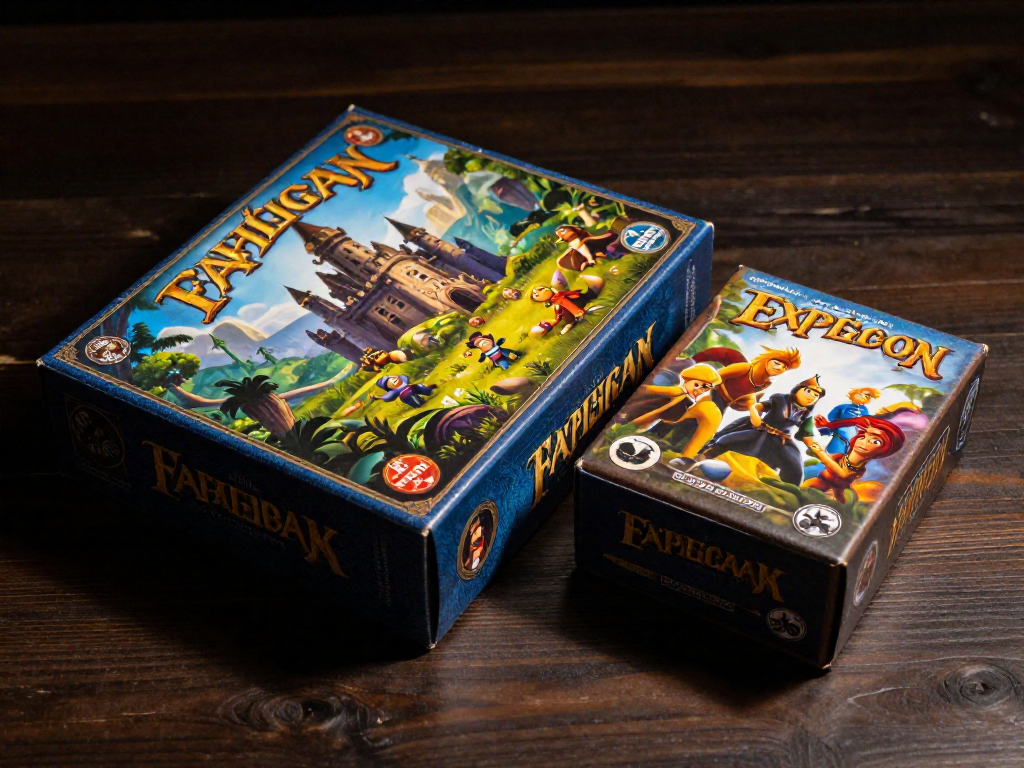
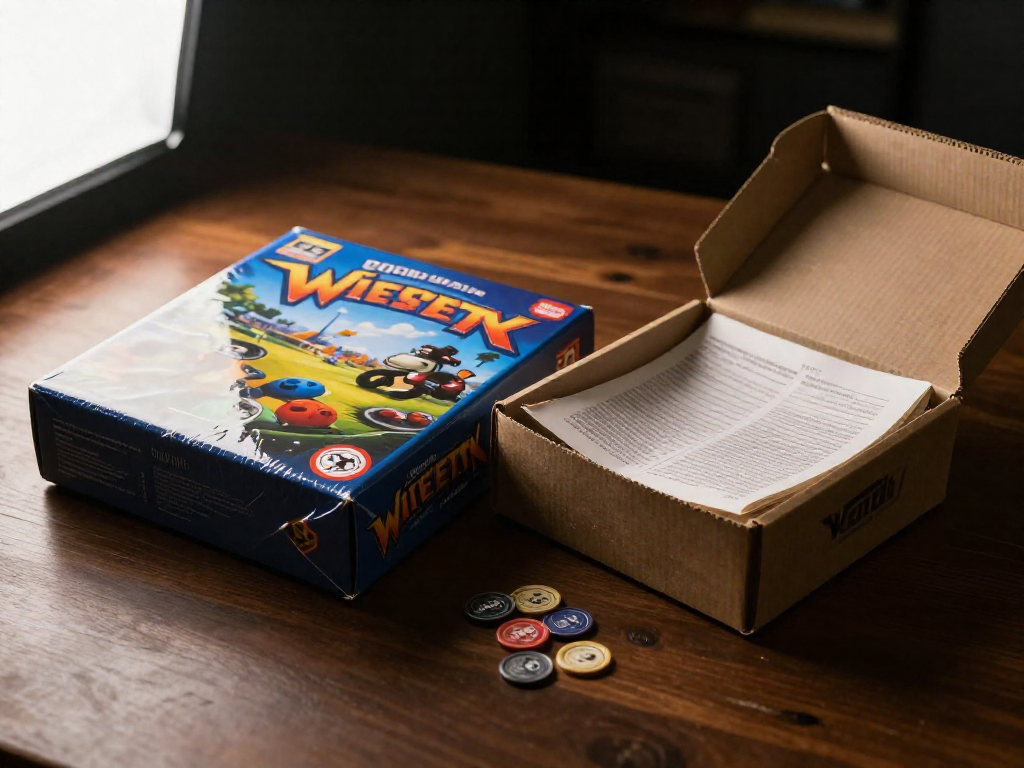
If you've ever browsed the shelf and spotted a smaller box with the same artwork as a game you love, you've found an expansion. In plain terms, an expansion is extra content that plugs into a game you already own—new cards, pieces, maps, or rules that bolt onto the original to add more variety or replay value.
The key thing to know up front: most expansions are add-ons, meaning you need the original game (called the base game) to use them. The expansion box usually doesn't include the boards, dice, or core rules you already have, so buying one without the base game leaves you with parts that don't do anything on their own.
Expansions generally come in a few flavors:
- More of the same: Extra cards, characters, or scenarios that simply give you more to play with.
- New modes: Added rules that change how you play, such as a solo mode or a cooperative twist where everyone works together.
- Standalone vs. add-on: A few "expansions" are actually standalone, meaning they play on their own and combine with the base game. The box (or the store listing) will say so—when in doubt, check whether it lists a base game as required.
A quick tip for families: an expansion won't simplify a game you already find tricky. It assumes you know the base rules, so get comfortable with the original first before adding more to the table.
The Main Types of Expansions (and What They Actually Do)
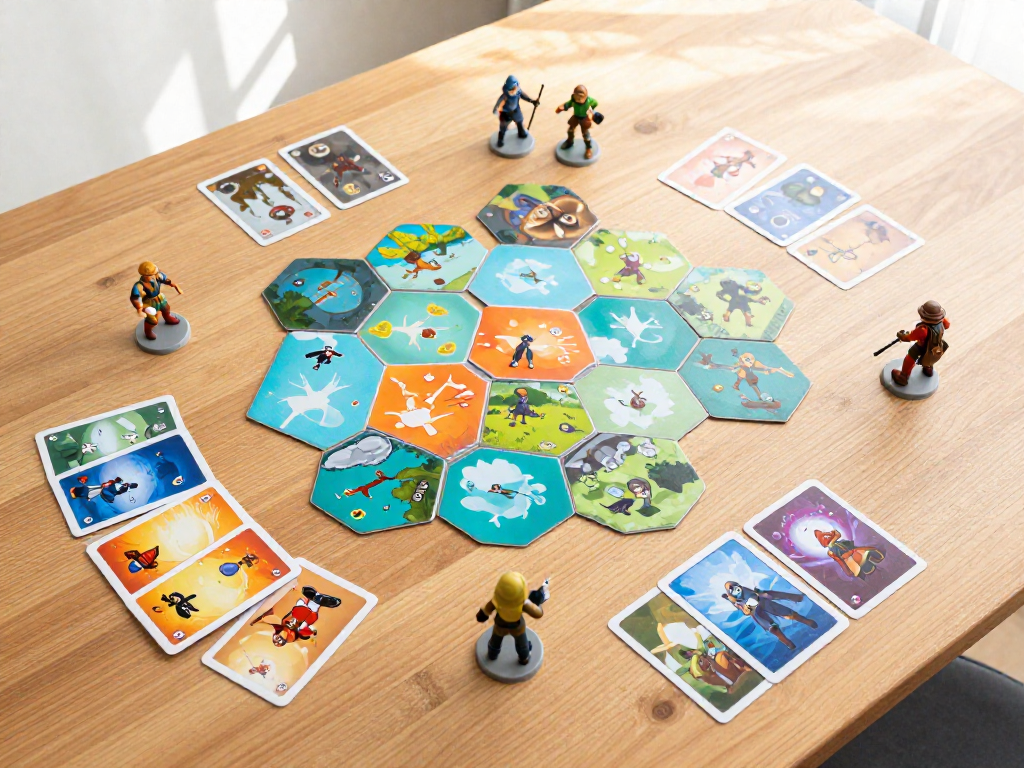
Not all expansions do the same thing. Once you can spot the type, it gets much easier to judge whether one is worth your money. Here are the four you'll run into most.
1. More-of-the-same. These add extra content—more cards, tiles, scenarios, or characters—without changing the rules you already know. Think of it as a refill: the game plays exactly like before, just with more variety so it stays fresh on repeat game nights. This is the safest pick for beginners because there's nothing new to learn.
2. New mechanics. A mechanic is simply a rule or system that shapes how you play (drawing cards, rolling dice, trading resources). These expansions add a new layer—maybe a new way to score, a cooperative mode, or a twist that changes your strategy. They're more exciting but ask you to learn extra rules, so save them until the base game feels comfortable.
3. Player-count expansions. Many games top out at four players. These expansions add the pieces needed to play with five or six. If your game nights regularly leave someone on the sidelines, this is the most practical upgrade you can buy—it doesn't change the game, it just fits more people around the table.
4. Crossover and themed packs. These blend two games together or add a fun theme (a holiday set, a favorite franchise). They're best for fans who already love the original and want a novelty twist, not for first-time buyers.
A quick test before you buy: ask whether the expansion adds content, adds rules, or both. Content-only is low-risk and beginner-friendly. Rules-heavy expansions reward groups that want more depth. Knowing which one you're holding tells you almost everything about whether it fits your table.
Signs You're Ready for an Expansion
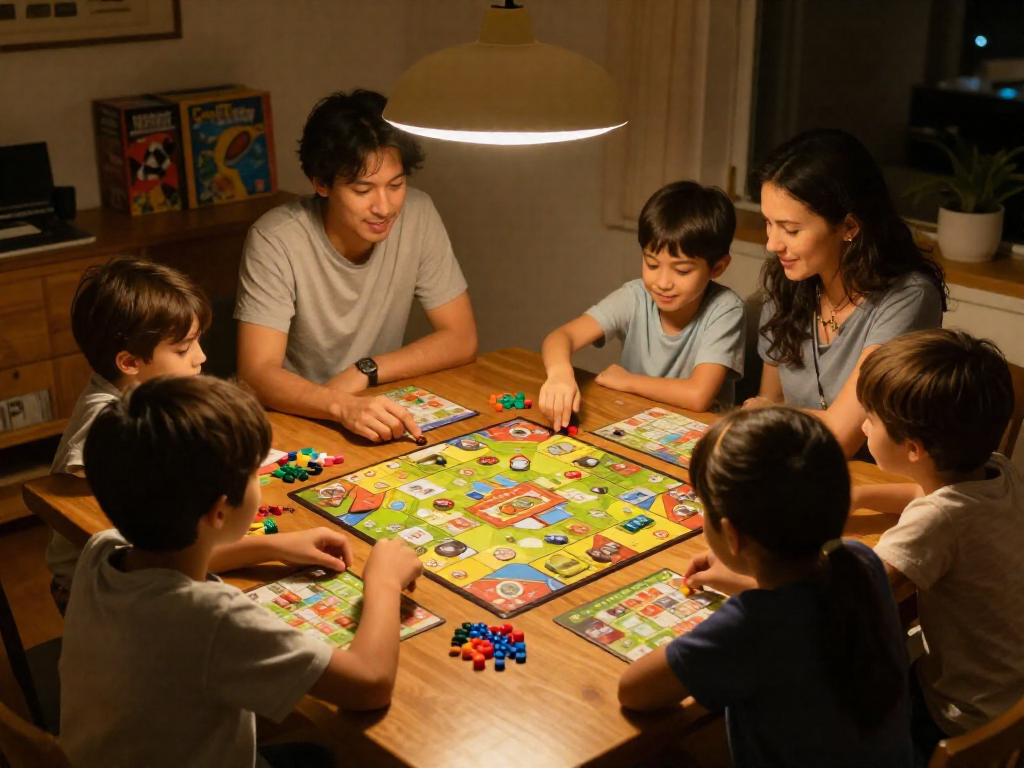
An expansion (extra content that adds to a game you already own) is worth buying only when the base game has earned a permanent spot in your rotation. Before you spend the money, check yourself against this list. If most of these sound like you, you're ready.
- You know the rules cold. You can teach the base game to a new player without flipping through the rulebook. Expansions add rules on top of what's already there, so a shaky foundation makes game night confusing instead of fun.
- The game still hits the table. "Hits the table" just means you actually play it. If you reach for it on a regular game night without anyone groaning, that steady love is the clearest sign more content will pay off.
- Your group is asking for more. Maybe the puzzles feel solved, the same strategy keeps winning, or sessions end too soon. When players want fresh variety or a longer, meatier game, an expansion is built to scratch exactly that itch.
- You consistently play at higher player counts. Some expansions exist mainly to raise the maximum number of players (for example, taking a 4-player game up to 6). If your table is usually packed, that's money well spent. If you mostly play with two, skip it.
A quick gut check: if you'd happily play the base game tonight as-is, you're a strong candidate. If it's been gathering dust, an expansion won't fix that—it'll just add to the pile.
Signs You Should Wait
An expansion (extra content that adds to a game you already own) isn't always the next step. Here's when it pays to hold off.
You're still learning the base game. If you're checking the rulebook every turn, give the original a few more plays first. Expansions add new rules on top of old ones, and stacking them too early turns a fun night into a homework session.
The game rarely hits the table. Be honest about how often you actually play. If a game comes out once every couple of months, you'll get more value replaying what's in the box than paying $25–$40 for content you'll barely touch.
It adds complexity more than fun. Some expansions pile on new tokens, phases, and exceptions without making the game more enjoyable for casual players. Read what it actually changes. "More rules" and "more fun" are not the same thing.
Your group likes simple and fast. If your table loves quick, easygoing games, a heavier expansion can work against you. There's no shame in keeping things light—the best game night is the one everyone wants to repeat.
When in doubt, wait. The base game will still be there, and so will the expansion.
How to Pick the Right Expansion
Once you've decided you're ready, here's how to choose an expansion that actually earns its spot on your shelf.
1. Read what it changes, not just the box hype. Marketing copy loves words like "epic" and "all-new." Ignore them. Look for the specifics: Does it add new player roles? More cards? A whole new way to win? An expansion (extra content that plugs into a game you already own) should fix something you wish the base game did differently—more variety, more players, or longer play.
2. Check the recommended play order. Some games have several expansions meant to be added in sequence. Buying #3 before #1 can leave you confused or missing pieces. A quick search for "[game name] expansion order" usually sorts this out in seconds.
3. Find the community consensus on "essential" vs. "optional." Fan communities (think board game forums and subreddits) often agree on which expansions are must-haves and which are skippable. Lean on that shared, hands-on experience before you spend.
4. Think price-per-play, not sticker price. A $40 expansion you'll play 30 times costs about a dollar a night—cheaper than a movie. A cheap one you'll open twice isn't a deal. Buy the one your family will actually keep reaching for.
Quick Decision Checklist
Save this checklist for your next game-night shopping trip:
✅ Buy the expansion if you:
- Love the base game and reach for it again and again
- Play often enough that fresh content earns its shelf space
- Want more variety—new maps, characters, or challenges
⏸️ Wait on the expansion if you:
- Are still learning the base rules (an expansion is extra content that adds to a game you already own)
- Only play once in a while
- Wish the game were simpler, not bigger
Rule of thumb for beginners: If you can teach the base game to a friend without peeking at the rulebook, you're ready for an expansion. If not, give the original a few more nights first.
See also
- Best Beginner Board Games for Families
- How to Teach a Board Game Without Reading the Whole Rulebook
- Board Game Buying Guide: What to Look For
- Game Night Ideas for Beginners
Related articles
New vs. Used Board Games: Where Should Beginners Buy?
Should beginners buy board games new or used, and where? Compare prices, condition risks, and the best places to shop for your first family games.
Jun 27, 2026 · 7 min read

Pandemic Review: Is the Classic Co-op Game Right for Your Family?
An honest, jargon-free Pandemic review for families. See how it plays, what ages it suits, and whether this co-op classic fits your game nights.
Jun 27, 2026 · 11 min read
Best Quick Board Games You Can Finish in Under 30 Minutes
Short on time? These quick board games play in 30 minutes or less—perfect for busy families and game nights. Easy rules, fast fun, no strategy jargon.
Jun 27, 2026 · 8 min read