Worker Placement Explained: A Beginner's Guide to the Mechanic
What is worker placement in board games?
On this page
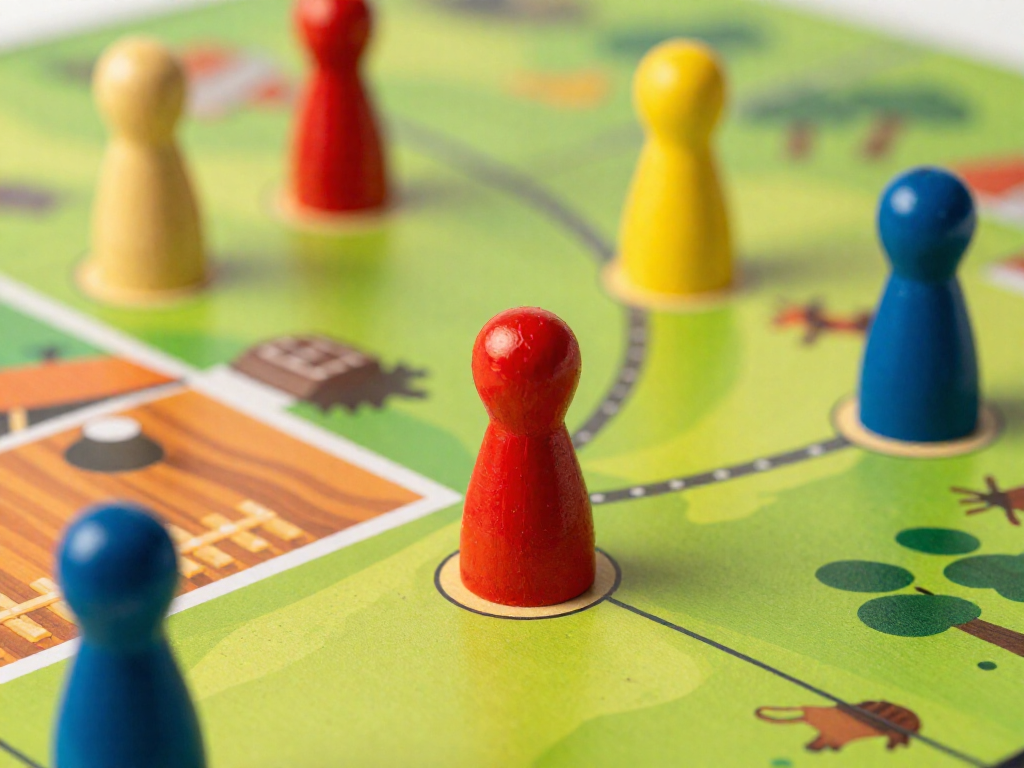
What Is Worker Placement, in Plain English?
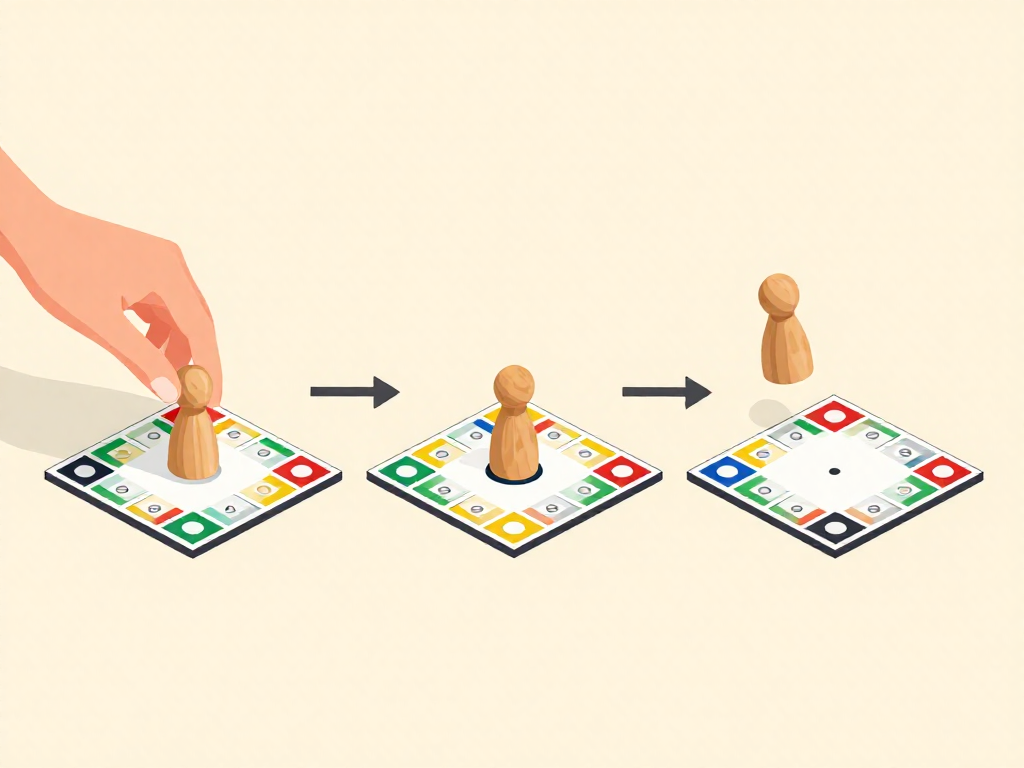
Worker placement is a board game mechanic (a rule system that shapes how you play) where you take turns placing small pawns—your "workers"—onto spots on the board to claim the actions you want. Think of each worker as a person you're sending off to do a job.
Every spot on the board does something different. One might let you gather resources like wood or coins, another might let you build something, and another might hand you points that count toward winning. You decide where your workers go based on what you need most that round.
Here's the catch that makes the mechanic interesting: once someone places a worker on a spot, that spot is usually off-limits to everyone else until the next round. So if you want the best action on the board, you often have to grab it before another player does.
The easiest way to picture it is calling "dibs." Imagine siblings divvying up chores or racing for the front seat of the car—whoever claims the good option first gets it, and everyone else has to settle for what's left. Worker placement turns that friendly competition into the heart of the game.
That mix of planning ahead and snatching up the best spots before your opponents is exactly why worker placement is such a satisfying, beginner-friendly mechanic for family game night.
How a Round Actually Works
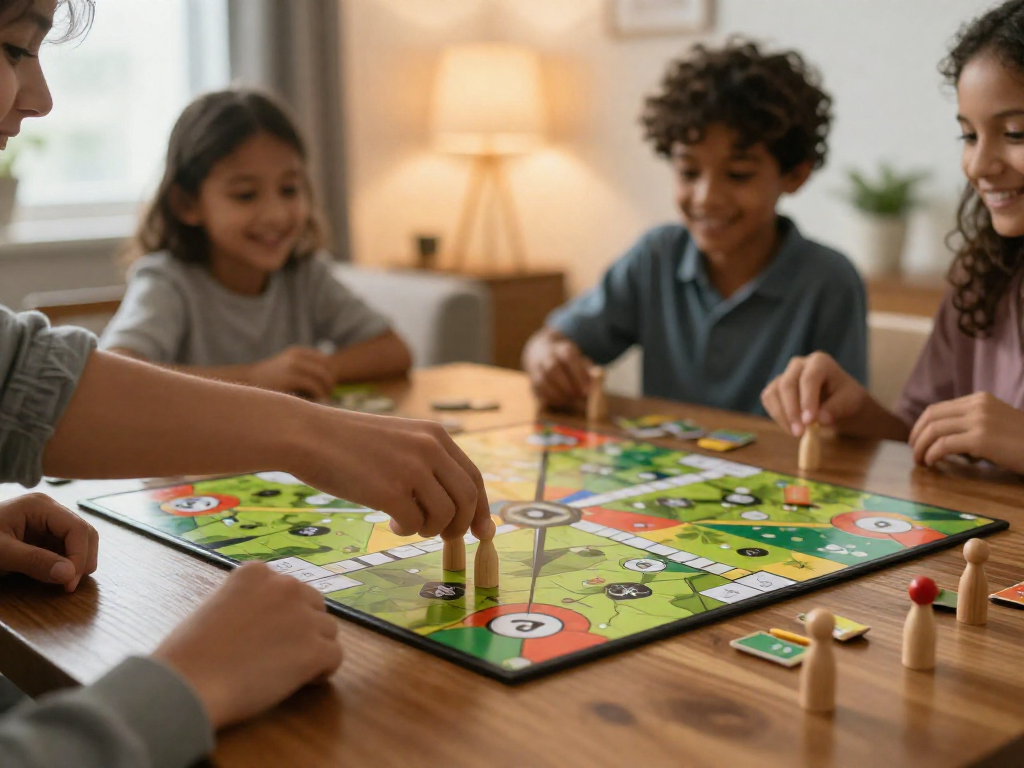
Picture the board as a job site with a handful of action spaces—spots like "gather wood," "collect coins," or "buy a card." On your turn, you place one of your workers (a small pawn or token that represents a person you're sending to do a job) on an open space, then immediately resolve that action. That's it: place one, do the thing, pass to the next player.
Then play goes around the table, one worker at a time. Here's the catch that makes the mechanic tick: most spaces hold only one worker. Once someone claims "gather wood," it's taken for the rest of the round. So timing and turn order matter. If there's a spot you really want, grabbing it early keeps it out of a rival's hands—but you might be giving up a better play elsewhere. That small tension is the heart of worker placement.
You keep taking turns until everyone has placed all their workers (often two to four each, depending on the game). When the last worker is down, the round ends.
Now the board resets. All workers "come home" to their owners, every space opens back up, and any round-end housekeeping happens (scoring, refilling the card market, paying to feed your workers in some games).
Then you do it all again. A typical game runs a set number of rounds—often somewhere around five to eight—or until a trigger ends it. When that final round wraps, you tally points, and the highest score wins.
Why the Mechanic Is So Satisfying (and Tense)
Worker placement turns a quiet planning game into a friendly race. Here's why it grabs people at the table.
Someone might take your spot. This is the "blocking" factor: each action space (the place on the board where you send a worker to do something) usually holds just one or two workers. If you want the bakery and you go second, your neighbor may grab it first. That little jolt—"I'll take it now before you can"—is the heart of the tension.
You plan ahead, but you also react. You'll start a round with a goal, then watch an opponent snatch a key spot and have to adjust on the fly. Balancing your plan against what everyone else is doing keeps every turn engaging without requiring fancy strategy.
Limited workers force real choices. With only a handful of workers, you can't do everything you want each round. Picking what matters most—and what you'll skip—is where the satisfying decisions live.
It rewards thinking, not luck. Most worker placement games use little or no dice and card randomness, so good planning usually pays off. That makes wins feel earned, which is great for families who dislike games decided by a lucky roll.
Common Terms You'll See on the Box and Rules
Rulebooks love their vocabulary, so here's a plain-English cheat sheet for the words you'll bump into most:
- Worker: a token (often a little wooden person) you place to claim an action. You usually have just a few, so every placement counts.
- Action space: the spot on the board where you put a worker to do something—gather wood, take coins, or buy a card.
- Round: one full cycle where everyone places their workers, then takes them back to start again.
- Resources: the stuff you collect, like wood, food, or money, that you spend to get points or build things.
- Blocking vs. open spaces: in some games, once you take a space it's blocked—no one else can use it that round. Other games use open spaces that multiple players can share, which feels friendlier and less cutthroat.
- Engine building: setting up combos so your workers earn more each round; many worker-placement games reward this over time.
- Turn order: who places first. Going first can grab the best space, so games often hand the later players a small bonus to balance it out.
Beginner-Friendly Worker Placement Games to Try First
Ready to put the mechanic into practice? These gentle picks let everyone "place a worker" (assign a game piece to an action spot) without drowning in rules. Here's where we'd start.
Stone Age — The classic family on-ramp.
- Players: 2–4 · Ages: 10+ · Play time: 60–90 min · Difficulty: Easy-medium
- Why it's a gentle intro: Actions are intuitive (send people to gather wood, hunt, or have a baby to grow your tribe), and dice rolls keep things light and forgiving for newcomers.
- Pros: Warm theme, easy to teach, room to make a comeback. Cons: The dice can frustrate planners who want full control.
- Who it's for: Mixed-age family game nights with tweens and up.
A Feast for Odin — A meatier step-up.
- Players: 1–4 · Ages: 12+ · Play time: 90–120+ min · Difficulty: Higher
- Why try it later: Far more actions and a satisfying puzzle of filling your board. Save it for when your group is comfortable with longer sessions and bigger decisions.
Family-friendliness: Both are clean and kid-safe in theme—no scary or mature content. The main caution is length and patience: even Stone Age runs about an hour, so younger players (under 8) may lose focus before the end.
Our verdict: Start with Stone Age to learn the rhythm of claiming action spaces, then graduate to A Feast for Odin once the "I wanted that spot!" tension feels fun rather than confusing.
Quick Tips for Your First Game
New to worker placement (a game style where you take turns placing pieces called "workers" onto spots on the board to claim actions or resources)? These four tips will keep your first night relaxed and fun.
- Don't overthink round one. Just try a few placements and see what happens. You learn this style by doing, not by planning the perfect opening.
- Watch what everyone else wants. Since each spot can usually be used by only one player, glance at your opponents' resources and grab a space they need before they do.
- Take resources you'll actually use. Hoarding wood or coins you have no plans for wastes turns. Aim for what feeds your next move.
- It's okay to lose. The strategy clicks around game two, once you've seen how the spaces connect. The first game is your tutorial—enjoy the discovery.
Keep the rulebook handy, snack within reach, and let everyone play at their own pace.
FAQ
What is worker placement in board games?
Worker placement is a game mechanic where you have a small set of game pieces called "workers" (often little wooden figures), and on your turn you place one onto a spot on the board to take the action shown there—like gathering resources, building, or earning points. The catch is that most spots can only be used by one player per round, so once someone claims a space, it's blocked for everyone else until the next round. This creates a friendly race to grab the best actions before your opponents do, rewarding planning over luck.
Is worker placement good for beginners?
Yes, worker placement is one of the most beginner-friendly mechanics out there. The core idea—pick a spot, take its action—is easy to explain in a minute or two, and because each space clearly states what it does, new players can see all their options laid out in front of them. There's little to memorize and almost no hidden information, so you spend your time making simple choices rather than learning complex rules. Start with a lighter title and you'll likely have everyone playing confidently within the first round.
What's the difference between worker placement and deck building?
They solve different problems. In worker placement, your turns revolve around placing pieces on a shared board to claim actions, so the tension comes from competing for limited spots. In deck building, each player starts with a small personal deck of cards and gradually buys better cards to add to it, so the tension comes from improving your own deck over time and drawing a strong hand. Put simply: worker placement is about competing for space on the table, while deck building is about growing and refining the cards in your hand. Some games blend both, but the building blocks are distinct.
How many players do worker placement games need?
Most worker placement games support 2 to 4 players, with some scaling up to 5 or more. Because the mechanic depends on competing for limited action spaces, these games often shine best with 3 or 4 players, when spots get contested and you have to plan around what others might grab. Many titles adjust for lower counts by blocking off some spaces in 2-player mode to keep that competition alive, and a few include a solo mode. Always check the box for the recommended count—the listed maximum and the "plays best at" number can differ.
What is the easiest worker placement game to learn?
A great starting point is Stone Age, a gentle introduction to the mechanic. Players: 2–4. Age: 10+. Play time: about 60–90 minutes. Difficulty: light-to-medium. You send your workers to gather food, wood, and other resources, then use them to build huts and earn points—clear, visual actions with friendly artwork and a dice element that keeps things relaxed. Pros: simple turns, intuitive icons, and a satisfying sense of progress. Cons: the full game can run long for restless younger kids, and the dice add a touch of luck that strategy fans may want less of. Who this is for: families and new hobbyists who want an approachable first worker placement game everyone can enjoy together. It's family-friendly with no objectionable content, though very young children may need a hand with planning.
See also
- Best Gateway Board Games for Families
- Board Game Mechanics Explained: A Beginner's Glossary
- How to Set Up Your First Board Game Night
- Engine Building Explained: A Beginner's Guide
Related articles
How Does Scoring Work in Board Games? Points Explained Simply
Confused about who wins and why? Learn how board game scoring works—victory points, race conditions, and tracking—in plain language for family game night.
Jun 27, 2026 · 9 min read

What Does 'Eurogame' Mean? Hobby Jargon Demystified
What is a eurogame? A plain-language guide to the eurogame style, how it differs from other board game families, and easy titles to try at home.
Jun 27, 2026 · 6 min read
Deck-Building Explained: How These Games Actually Work
New to deck-building games? Learn what they are, how the core mechanic works, and which beginner-friendly titles to try first—explained in plain language.
Jun 27, 2026 · 10 min read