The 7 Best Cooperative Board Games Where Everyone Wins Together
What are the best cooperative board games for families who don't like competition?
On this page
Why Cooperative Board Games Are Perfect for Families
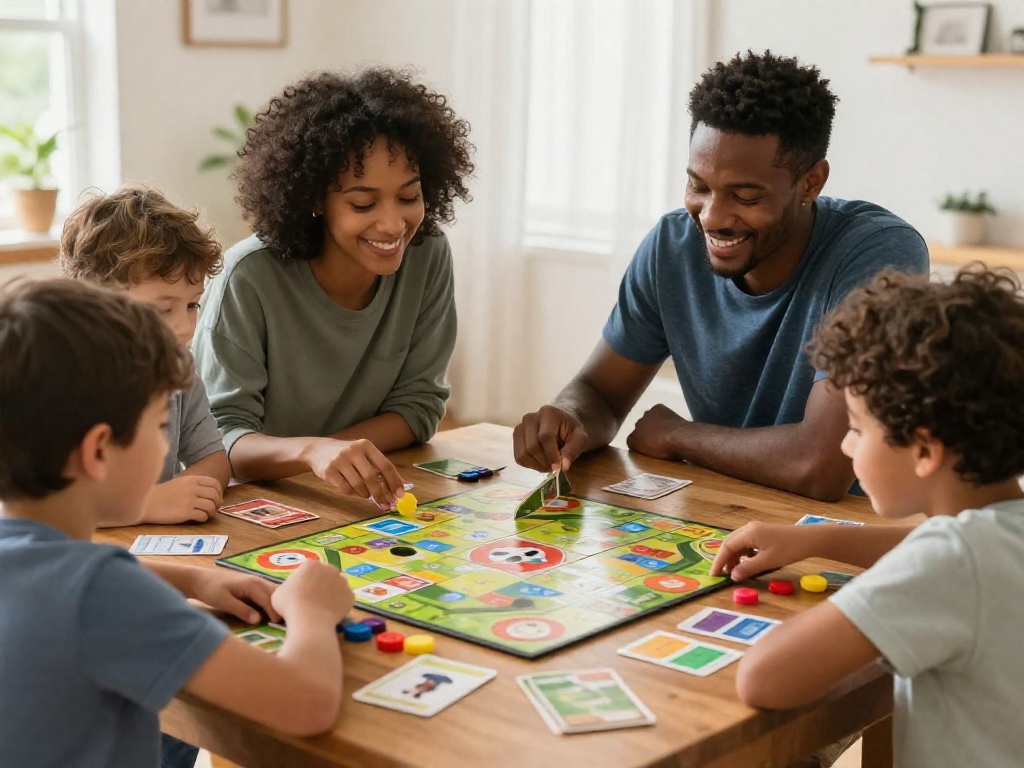
If game night at your house tends to end in tears, slammed pieces, or a triumphant winner gloating over everyone else, cooperative board games might be the fix you've been looking for. In a cooperative game (often shortened to "co-op"), everyone plays on the same team against the game itself—you all win together or you all lose together. There's no single winner to envy and no loser to console.
Here's how that works in practice: the game creates the challenge for you. It might be a spreading disease, a sinking island, or a haunted house, and it pushes back on your group automatically through cards, a timer, or a steadily worsening board. Your job is to make decisions together and beat that challenge before it beats you.
That simple shift solves a lot of family problems at once:
- Everyone plays against the game, not each other, so there's no rivalry baked into the rules.
- Fewer meltdowns and sore losers, because no kid (or grown-up) goes home as "the loser."
- Mixed ages and skill levels can play together—a 7-year-old and a 40-year-old are genuinely on the same side.
- Real teamwork, since you have to talk through choices, share information, and plan as a group.
- Wins feel shared, which makes the celebration bigger and the table friendlier.
If competition has been the thing keeping your family from enjoying games together, co-op is the category to start with.
How We Chose These Games

We wanted picks that earn a spot on your shelf, not just a single play. Every game on this list had to pass five tests:
- Quick to teach. You should be able to explain the rules in under 15 minutes, so game night starts with fun, not a lecture.
- Flexible player counts and ages. Each one works whether it's two of you or the whole family, with kids in the mix.
- Easy to find and affordable. No tracking down rare imports or paying collector prices.
- Worth replaying. These hold up over many nights rather than feeling one-and-done.
- Truly cooperative. Everyone wins or loses together—no hidden competition dressed up as teamwork.
We've played all of them hands-on, so each verdict reflects what actually happens at the table.
1. Forbidden Island - Best Overall for Beginners
At a glance: 2–4 players · ages 10+ (younger kids can team up with an adult) · 30 minutes · easy difficulty
Forbidden Island is the game we hand to families who have never tried a co-op—a cooperative game where everyone plays as one team against the board instead of against each other. Your group works together to grab four hidden treasures and helicopter off an island that's steadily sinking beneath you. Win together, or sink together.
What makes it the easiest on-ramp is how little you have to learn. Each turn you take a few simple actions, the island floods a bit more, and the whole table talks through the next move out loud. There's no scoring to track and no rulebook-heavy setup.
Best for: first-time co-op families who want a short, tense, finish-in-one-sitting adventure.
Pros: cheap, quick, genuinely team-based, easy to teach. Cons: the same island can feel repetitive after many plays.
One thing to know before you buy: the tension is mild, but the "everyone loses" ending can disappoint very young kids—pair them with an adult and it lands fine.
2. Pandemic - Best for Strategy-Curious Families
At a glance: 2–4 players | Ages 8+ | 45 minutes | Difficulty: Moderate
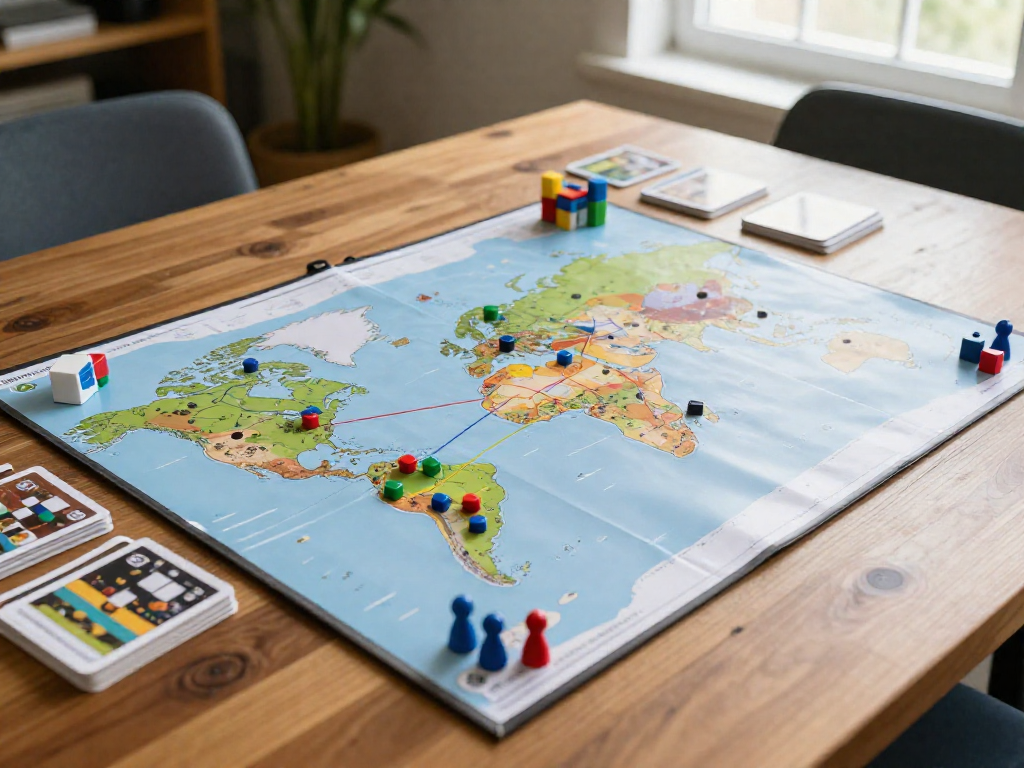
In Pandemic, your team plays as disease specialists racing to cure four diseases before they spread across the globe. Each turn you move between cities, treat outbreaks, and trade cards to collect the sets needed for a cure. Nobody plays alone—every decision is a group conversation.
What makes it shine is the pressure. New infections appear every round, so the board keeps pushing back while you scramble to keep up. Tense? Absolutely. Mean? Never. You win or lose together, so there's no "gang up on Grandma" moment.
Pros: Genuine teamwork, high replay value, and that satisfying last-second victory.
Cons: A confident player can sometimes take over and direct everyone—worth setting a "each person decides their own turn" rule.
Best for: Families who enjoyed an easier co-op like Forbidden Island and want a little more to chew on.
One thing to know: The disease theme is abstract, not graphic, but very young or sensitive kids may need a quick reassuring explanation.
3. Outfoxed! - Best for Younger Kids
At a glance: 2–4 players | Ages 5+ | 20 minutes | Difficulty: Very Easy
Someone swiped Mrs. Plumpert's pie, and the whole table works together to catch the culprit before they slip out the door. On each turn you either gather clues or reveal a suspect, then use a special "clue decoder" (a little plastic gadget that shows whether a fox is innocent or guilty) to cross fox cards off your list. Solve it before the thief reaches the exit and everyone wins.
What makes it shine for little ones is that there's no reading required and the choices are simple, so a five-year-old can play a full role without an adult quietly steering. It plays like a friendly game of Clue for the picture-book crowd.
Best for: early elementary kids and their grown-ups who want a quick, no-stress mystery.
One thing to know: the dice rolls drive a lot of the action, so don't expect deep strategy—this is light, lucky fun, not a brain-burner.
4. The Mind - Best for Quick, Light Game Nights
At a glance: 2–4 players | Ages 8+ | About 15–20 minutes | Difficulty: very easy
The goal couldn't be simpler: as a team, play your numbered cards onto the pile in ascending order, from lowest to highest. The catch? You can't talk, gesture, or hint about what's in your hand. You just feel out the timing together.
That no-talking twist sounds frustrating, but it's the whole magic. You learn to read each other's pauses and pacing, and successfully landing a tricky run of cards feels weirdly telepathic. It builds a quiet, shared focus you don't get from chattier games.
Best for: filler rounds between bigger games, tight spaces, and low-energy nights when you want something fast.
Pros: tiny box, almost no setup, instantly re-playable. Cons: very young kids may struggle with the silence and number ordering.
Who this is for: families with kids 8 and up who want a calm, quick win together.
One thing to know: there's no scorekeeping or strategy depth here, so if your group craves meaty decisions, treat The Mind as a palate cleanser rather than the main event.
5. Mysterium - Best for Atmosphere and Imagination
At a glance: 2–7 players | Ages 10+ | 42 minutes | Difficulty: Easy to learn, harder to master
In Mysterium, one player becomes a silent ghost who can only communicate through beautifully illustrated "dream cards"—surreal, dreamlike images. Everyone else plays a psychic trying to interpret those visions to figure out who committed a crime, where, and with what. It's a cooperative game (one where the whole table wins or loses together), so there's no head-to-head competition.
Why it shines: The artwork is stunning, and the open-ended interpretation rewards imagination over quick math. It comfortably seats bigger groups, making it great when more relatives want in.
Best for: Spooky-fun family game nights where everyone enjoys storytelling and guessing.
One thing to know: The "ghost" can't talk at all, which some younger or impatient players find tricky. The gentle haunted-house theme is spooky, not scary—fine for most kids around 10 and up.
Who this is for: Visual thinkers and creative families who'd rather imagine than strategize.
6. Forbidden Desert - Best Next Step Up
At a glance: 2–5 players | Ages 10+ | 45 minutes | Difficulty: Medium
Your team has crash-landed in a shifting desert, and the only way out is to dig up the buried parts of a flying machine and launch before the heat, sand, and dehydration get you. Everyone wins or loses together, so it's all teamwork, no rivalry.
What makes this a great upgrade is that the desert moves. The sand shifts each turn, burying tiles and changing the board, so no two games feel the same. That added layer rewards planning ahead without burying you (pun intended) in rules.
Best for: Families who loved Forbidden Island and want a fresh challenge with a little more to chew on.
One thing to know before you buy: It's a genuine step up in difficulty—expect to lose your first few rounds. That's part of the fun, but younger or easily frustrated kids may prefer sticking with Forbidden Island a bit longer.
7. Horrified - Best for Theme Lovers
At a glance: 1–5 players | Ages 10+ | 45–60 minutes | Difficulty: Easy-to-medium
In Horrified, your team works together to chase down and defeat classic movie monsters—think Dracula, the Wolfman, and the Creature from the Black Lagoon—before they overrun the village. You move around the board collecting items, helping frightened townsfolk, and tackling each monster's unique weakness. If too many villagers fall or the "terror level" maxes out, everyone loses together. (Cooperative means there's no single winner; you all win or lose as a group.)
The big draw here is theme. The spooky-but-not-gory story and chunky monster figures pull in reluctant players who might tune out a drier game.
Best for: movie fans and teens who love a little atmosphere.
One thing to know: the monsters scale, so start with two of the easier ones—stacking the scarier villains early can make your first game feel punishing.
Family note: mild creepy themes suit ages 10 and up; younger or sensitive kids may find the monster art too spooky.
Quick Comparison: Which Co-op Game Is Right for You?
Short on time? Here's how to pick fast based on your table:
- Best for the youngest players: Outfoxed! — simple deduction (figuring out "whodunit" by clues) that 5-year-olds can follow.
- Best for short sessions: The Mind — a tense, wordless game that wraps in 15 minutes.
- Best for strategy lovers: Pandemic — meaty teamwork and planning without cutthroat competition.
- Best value pick: Forbidden Island — big co-op fun for a small price, and a great first buy.
Side-by-Side: Player Count & Age
| Game | Players | Ages | Play Time | Difficulty |
|---|---|---|---|---|
| Outfoxed! | 2–4 | 5+ | 20 min | Easy |
| Forbidden Island | 2–4 | 8+ | 30 min | Easy |
| The Mind | 2–4 | 8+ | 15 min | Easy |
| Pandemic | 2–4 | 8+ | 45 min | Medium |
All four are fully cooperative, so everyone wins or loses as a team—no sore losers at bedtime.
Tips for a Great Cooperative Game Night
A few small habits make co-op nights smoother for everyone:
- Share the decisions. In a cooperative game, the whole table works toward one goal, so invite every player to suggest the next move. The best ideas often come from the quietest person.
- Watch out for the "quarterback problem." This is when one experienced player starts telling everyone exactly what to do. It's a common co-op trap that drains the fun. If someone knows the game well, ask them to give hints, not orders.
- Read the rules together before your first play. Walking through the rulebook as a group takes a few minutes and saves a lot of mid-game confusion.
- Expect to lose the first few times—that's normal. Many co-op games are designed to be tough. Losing together is part of the experience, and it makes your first win feel earned.
- Set the scene. Clear the table, grab some easy snacks, and silence phones. A tidy space and a relaxed mood help everyone focus on playing as a team.
See also
- Best Board Games for Family Game Night
- Easy Board Games You Can Learn in 10 Minutes
- Best Board Games for 2 Players
- Beginner's Guide to Modern Board Games
- Best Board Games for Kids by Age
Related articles
New vs. Used Board Games: Where Should Beginners Buy?
Should beginners buy board games new or used, and where? Compare prices, condition risks, and the best places to shop for your first family games.
Jun 27, 2026 · 7 min read
Should You Buy a Board Game Expansion? A Beginner's Guide
Are board game expansions worth buying for beginners? Learn when an expansion adds fun, when it adds complexity, and how to choose the right one for game night.
Jun 27, 2026 · 6 min read
Pandemic Review: Is the Classic Co-op Game Right for Your Family?
An honest, jargon-free Pandemic review for families. See how it plays, what ages it suits, and whether this co-op classic fits your game nights.
Jun 27, 2026 · 11 min read