Is Monopoly Actually a Good Game? An Honest Beginner's Take
Is Monopoly worth playing or are there better family alternatives?
On this page
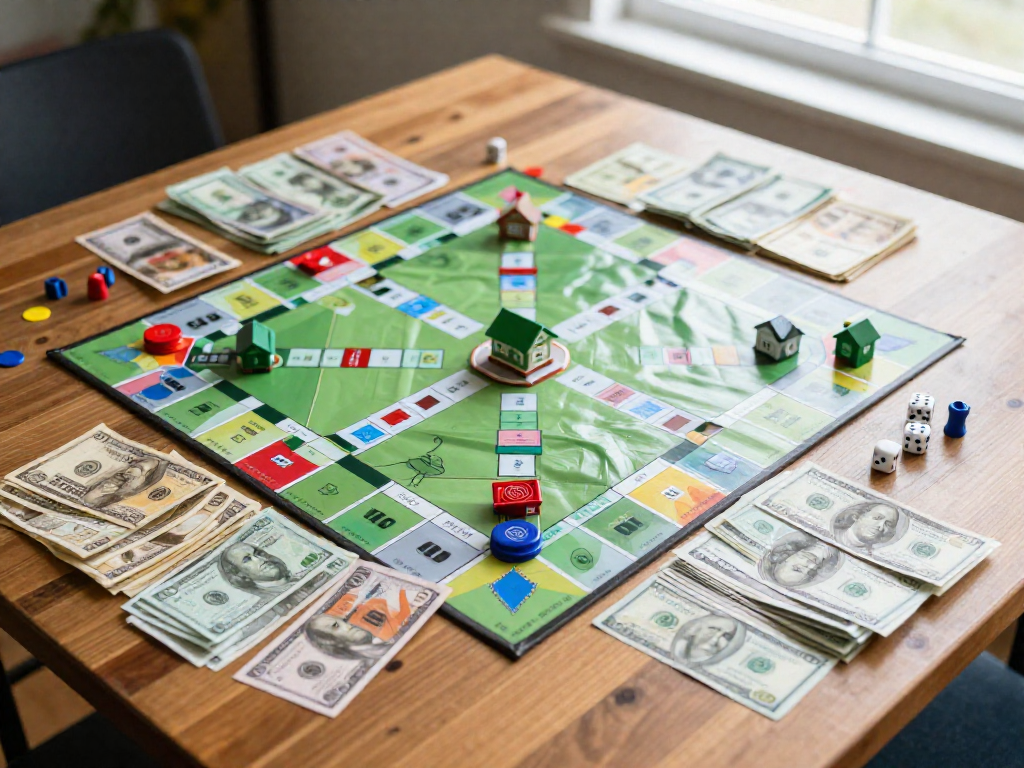
The Short Answer: It's Complicated
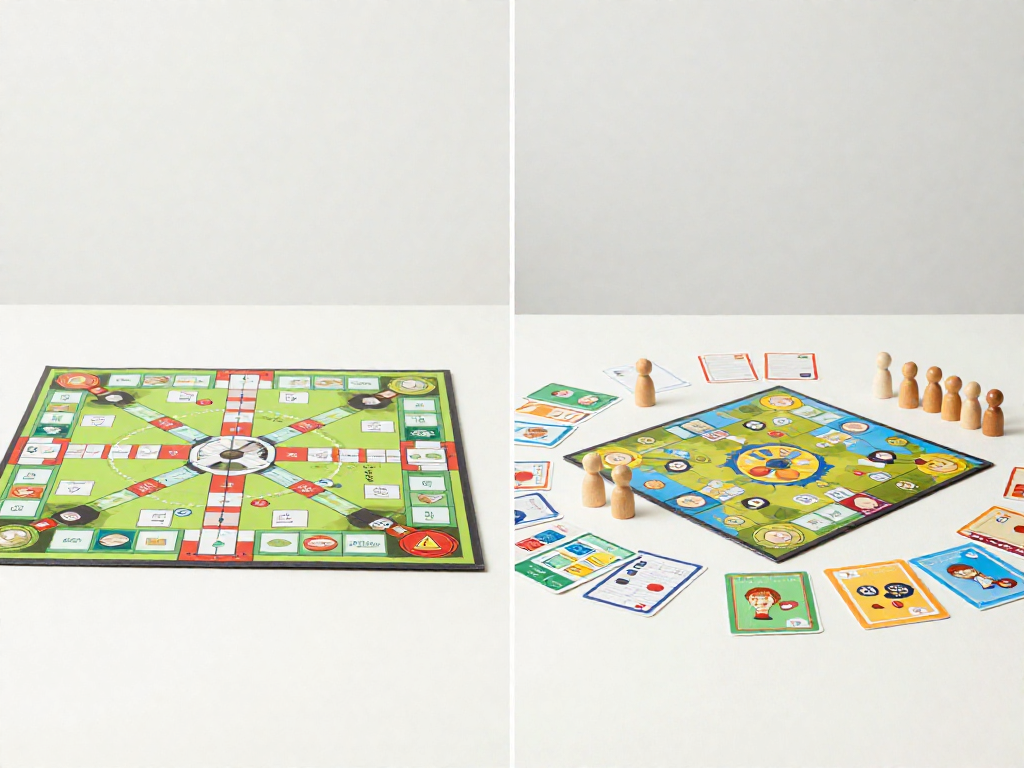
So, is Monopoly worth playing? Honestly: yes and no. It's a blast in short bursts and hard to beat for nostalgia, but as a go-to family game it's showing its age. The deal-making is genuinely fun; the part where one person slowly crushes everyone over two hours while the rest wait to go bankrupt is not.
To be clear, Monopoly isn't a bad game—it's just been outclassed. Newer family games (think Ticket to Ride or Catan, which we'll get to) keep everyone in the running until the end and wrap up faster, with less of the "I'm out, can I go watch TV?" feeling.
Quick verdict:
- You'll still love it if: you play occasionally, set a time limit, and value tradition over balance.
- Look elsewhere if: you want close games, shorter playtimes, and fewer table flips.
Now, the nuance—because it really does depend on how you play.
What Monopoly Gets Right

Before we get into the gripes, let's give Monopoly its due. It earns its spot on the shelf for a few real reasons.
Almost everyone already knows how to play. Hand someone the box and there's basically zero learning curve—no rulebook standoff, no "wait, how does this work again?" That's rare. For a stress-free game night with relatives who haven't touched a board game in years, that instant familiarity is genuinely valuable.
It's cheap and everywhere. You can grab a copy at any drugstore, big-box store, or yard sale, usually for under $20. And the themed editions are endless—your city, your favorite movie, your kid's cartoon. If you want a game that's easy to find and easy to gift, few titles compete.
The core idea is simple enough for kids. Buy properties, build houses and hotels, collect rent when others land on your spaces. A child who can count and read a few words can follow it. That low entry point is exactly why it works as a "first real board game" for many families.
It can deliver genuine thrills. There's a real jolt when an opponent lands on your Boardwalk with a hotel parked on it, or when you scrape together one last payment to stay alive. Those swings are memorable, and they're why people keep coming back.
Quick stats: 2–8 players · ages 8 and up (younger with help) · 60–180 minutes · low difficulty · family-friendly with no objectionable content.
So Monopoly isn't worthless—it does several things well. The question is whether those strengths hold up once you actually sit down to play.
Where Monopoly Falls Apart
Here's the honest part. For all its nostalgia, Monopoly has some real design problems that show up fast on family game night.
It runs way too long. A "quick" game can stretch past two hours, and there's no built-in finish line—you play until people are bankrupt or, more often, until everyone quietly gives up. That's a tough sell when you've got kids with shorter attention spans or a Tuesday-night window.
Losing players get knocked out and have to wait. Monopoly uses player elimination, meaning once you go bankrupt you're out of the game entirely. So your 8-year-old can be sitting on the couch, bored, for the last 45 minutes while two adults grind it out. Game night is supposed to keep everyone at the table.
It's mostly luck, not choices. Your turn is largely "roll the dice, move, do what the square tells you." There are a few real decisions—what to buy, when to build, how to trade—but the dice drive most of what happens. Players who like feeling that their thinking mattered often walk away frustrated.
The leader runs away with it. Monopoly has a strong snowball effect: the player who gets ahead early collects more rent, buys more property, and gets even further ahead. Long before the game actually ends, everyone at the table usually knows who's going to win. The remaining hour is just confirming it.
Popular house rules make it worse. Many families pile cash onto Free Parking and hand it to whoever lands there. It feels fun, but it pumps money back into the game and keeps people alive longer—stretching an already-long game even further. The rulebook never included this for a reason.
The verdict on the cons: none of these are dealbreakers if Monopoly is your tradition and everyone's having fun. But if you're choosing a game to actually enjoy together, the long runtime, bench-warming eliminations, and runaway leader are exactly the friction points that newer family games were designed to fix.
The Myth vs. Reality of How Monopoly Is "Supposed" to Be Played
Here's the twist most families miss: the game you've been playing for hours probably isn't the game Hasbro actually wrote down. A few overlooked rules change how Monopoly plays—and how long it drags on.
The big one: auctions. When a player lands on an unowned property and chooses not to buy it, the official rules say it goes up for auction to everyone immediately. (An "auction" just means players bid, and the highest bid wins it.) Most households skip this entirely and leave the property unsold. That single house rule is the number one reason games crawl: properties sit empty, the board never fills up, and nobody gets enough sets to start charging real rent. Run the auctions and cash keeps moving, properties get claimed faster, and games end sooner.
The other surprise: Free Parking pays nothing. There's no official rule putting tax money or a jackpot on the center square. That popular house rule dumps free cash into the game and stretches it out even longer.
Playing strictly by the book genuinely helps—shorter games, more meaningful decisions. But it won't fix everything. The luck-heavy dice rolls and the "rich get richer" snowball are baked in, no matter how cleanly you play.
Better Family Alternatives to Try Tonight
Monopoly's biggest problems—players getting knocked out early, games that drag on for hours, and outcomes decided more by dice than decisions—are exactly what these four games fix. Each one keeps everyone in until the end and rewards real choices without burying you in rules.
Ticket to Ride — 2–5 players · ages 8+ · ~45 minutes · easy You collect colored train cards and use them to claim railway routes across a map, racing to connect cities. There's no "elimination," so nobody sits out watching others play. It teaches a little planning without any math homework. Who it's for: families ready to graduate from pure luck to light strategy. Totally kid-safe.
Catan — 3–4 players · ages 10+ · ~60–90 minutes · medium You build settlements and trade resources (like wood and brick) with other players to grow your little island. Trading means everyone stays involved, and there are genuine decisions every turn. Who it's for: older kids and adults who want Monopoly's "build an empire" feeling, but with actual strategy. A bit long and abstract for under-10s.
King of Tokyo — 2–6 players · ages 8+ · ~30 minutes · easy You play a giant monster stomping a city, rolling dice (think Yahtzee) to attack, heal, or score points. It's loud, fast, and genuinely exciting. Who it's for: families who want silliness and energy, not a long sit-down. Cartoon combat only—nothing scary.
Sushi Go! — 2–5 players · ages 8+ · ~15 minutes · easy A tiny card game where you grab sushi dishes for points. It's cheap, packs in a pocket, and plays in minutes. Who it's for: younger families and quick fillers between bigger games. As gentle as it gets.
Any of these gets you a better game night tonight—shorter, fairer, and a lot more fun for everyone at the table.
So, Should You Keep Monopoly on the Shelf?
Here's our honest verdict: yes, keep it—but with realistic expectations.
Monopoly earns its spot for nostalgia nights and rainy afternoons when you want something familiar that everyone already half-remembers how to play. The problem isn't that it's bad; it's that it's slow, luck-heavy, and prone to bruised feelings once one player pulls ahead. That makes it a poor pick for your regular go-to family game—the one you reach for week after week.
So treat it as the occasional comfort food, not the main course.
Your next step is simple: pick one new title from our alternatives above and play it back-to-back with a Monopoly night. Compare the laughs, the wait times, and how everyone feels at the finish. Start small—one new game—and you'll be building a better game-night lineup before you know it.
What will you try first?
See also
- Best family board games for beginners
- Ticket to Ride rules explained in plain language
- How to host a stress-free family game night
- Catan for beginners: a simple guide
- Quick board games you can finish in 30 minutes
Related articles
New vs. Used Board Games: Where Should Beginners Buy?
Should beginners buy board games new or used, and where? Compare prices, condition risks, and the best places to shop for your first family games.
Jun 27, 2026 · 7 min read
Should You Buy a Board Game Expansion? A Beginner's Guide
Are board game expansions worth buying for beginners? Learn when an expansion adds fun, when it adds complexity, and how to choose the right one for game night.
Jun 27, 2026 · 6 min read

Pandemic Review: Is the Classic Co-op Game Right for Your Family?
An honest, jargon-free Pandemic review for families. See how it plays, what ages it suits, and whether this co-op classic fits your game nights.
Jun 27, 2026 · 11 min read