Ticket to Ride Review: Is It the Right First Board Game for Your Family?
Is Ticket to Ride a good board game for beginner families?
On this page
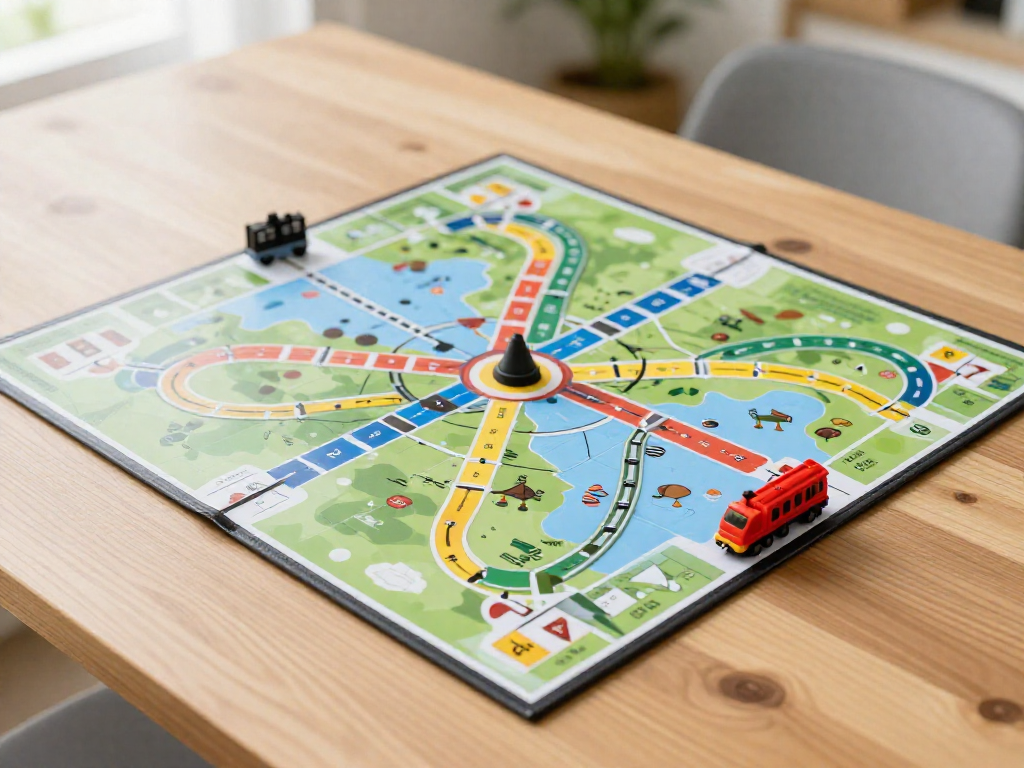
Open on the real moment families care about: it's game night, the kids are different ages, nobody wants to read a rulebook for 45 minutes, and you just want something everyone can actually enjoy together. Frame the review around answering one honest question—will Ticket to Ride deliver that—rather than rattling off specs. Establish credibility by signaling this is hands-on, from-the-table experience with mixed-age players and total newcomers.
The Quick Verdict: Who Ticket to Ride Is (and Isn't) For
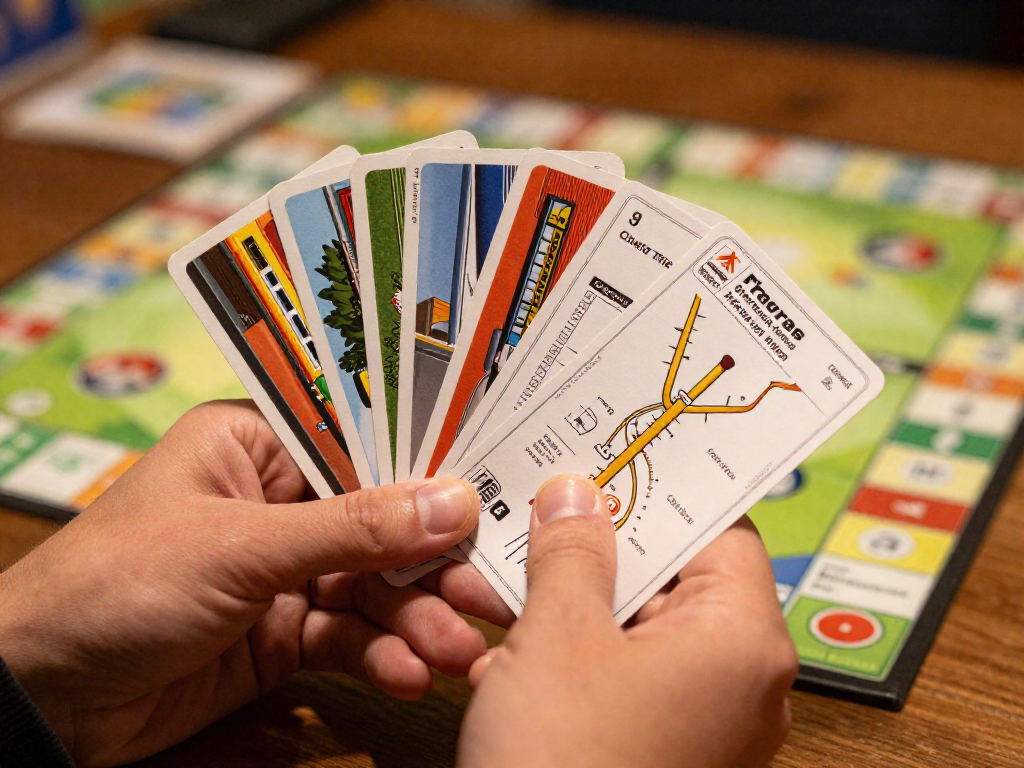
Bottom line: Yes—Ticket to Ride is one of the best first board games for families, as long as your youngest player is around 8 and nobody at the table is hunting for a deep, brain-burning strategy game. You collect colored train cards, claim routes on a map, and try to connect cities for points. The rules click in about ten minutes, and your first real game can start right after. Two caveats keep it from being perfect for everyone: very young kids will struggle with the planning, and seasoned strategy fans may find it a little light.
Best fit for:
- Families with kids roughly 8 and up
- Mixed-age groups where adults and kids play on a level field
- Anyone intimidated by complex games who wants an easy, satisfying first step
Not ideal for:
- Players under 6, who'll need lots of help
- Groups craving deep, heavy strategy
- Big crowds—the standard game caps at 5 players
The fast facts
- Players: 2–5
- Age: 8+
- Play time: 30–60 minutes
- Difficulty: Easy to learn
Quick scorecard
- Ease of learning: 5/5
- Fun: 4.5/5
- Replayability: 4/5
- Family-friendliness: 5/5 — no objectionable content; safe for all ages who can grasp the rules
What Is Ticket to Ride? The 60-Second Explanation
At its heart, Ticket to Ride is a game about building train routes across a map. On your turn, you do one of a few simple things—usually drawing colorful train cards or spending them to "claim" a route between two cities. Claim enough connected routes, and you've built your own little railway empire.
Open the box and you'll find a large board (the classic version maps out the United States and a corner of Canada), a deck of train-car cards in different colors, a stack of plastic train pieces in each player's color, and a set of destination tickets—secret cards that name two cities you're trying to connect.
That last part is the whole point: your core goal is to claim routes that link the cities on your secret destination tickets before the game ends. Finish a ticket and you score points; leave one unfinished and you lose those points.
A few practical details:
- Players: 2–5
- Play time: about 30–60 minutes
- Setup: quick—deal cards, hand out trains, and you're rolling
No dice, no complicated phases, no rulebook marathon. If you can match colors and connect dots on a map, you already understand 90% of Ticket to Ride.
How the Rules Actually Work (No Jargon)

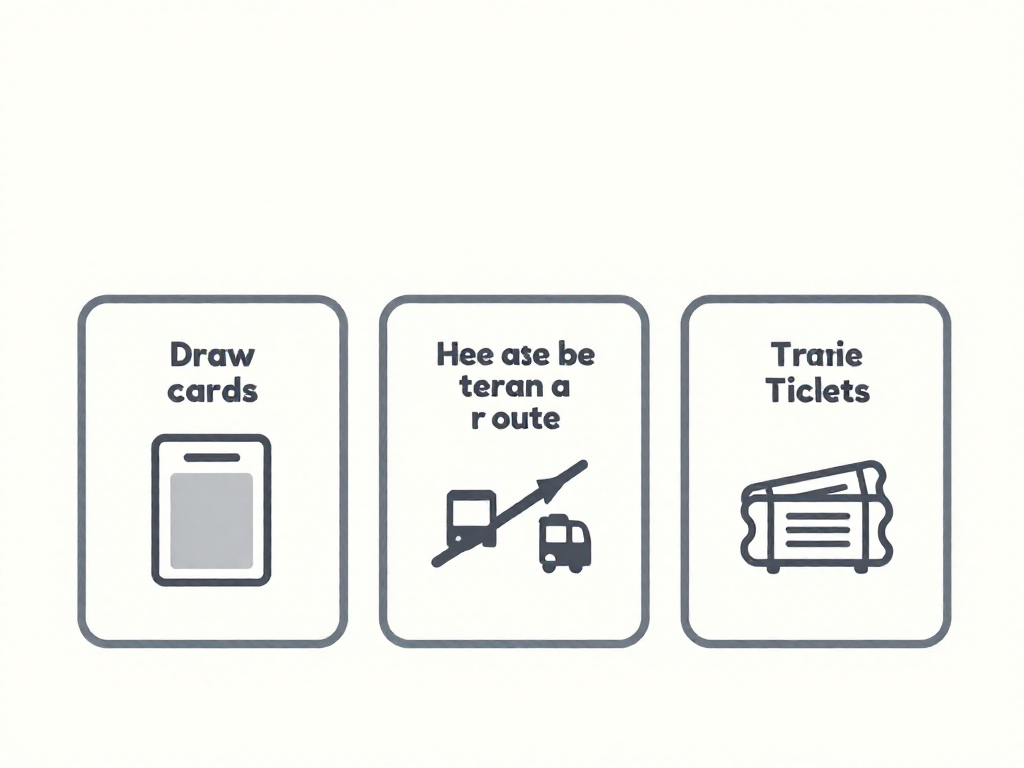
Here's the good news for nervous first-timers: a turn in Ticket to Ride gives you only three choices, and you pick exactly one before passing play to the next person. That's it. Once everyone gets the rhythm, turns fly by.
Your three options on a turn
- Draw train cards. Take two colored train cards (these are the cards you spend to claim routes). You can grab them from the five face-up cards on the table or pull blindly from the deck.
- Claim a route. Place your little plastic trains on one of the colored paths between two cities on the map.
- Draw destination tickets. Pick up new secret goal cards (more on these below).
Claiming a route
Each route between two cities is a string of colored spaces—say, four red spaces between two cities. To claim it, you play train cards of that matching color: four red cards for a four-space red route. Lay down the cards, place your trains on the spaces, and that connection is now yours. Nobody else can use it. Longer routes are worth more points, so a six-space route earns far more than a one-space hop.
Destination tickets (the secret goals)
Destination tickets are cards that name two cities and a point value—for example, "Los Angeles to New York, 21 points." If you connect those two cities with your routes by the end of the game, you add those points to your score. If you don't finish the connection, you subtract that many points instead. So tickets are a gamble: big reward, real risk. Beginners should start with the tickets they're dealt and avoid grabbing too many extras.
How the game ends and how scoring works
When any player has only two or fewer trains left, everyone gets one final turn, then the game stops. You tally up: points for every route you claimed, plus completed destination tickets, minus any tickets you failed to finish. There's also a small bonus for the player with the longest continuous run of connected track.
One example turn
It's your turn. You have three red cards and need one more for a red route. You draw two train cards and one is red—now you have four. Next turn, you claim the route, placing four trains and earning points. The turn after, with a strong network forming, you draw a destination ticket for a bonus goal. Three turns, three different actions—and you never opened the manual.
How It Really Plays With Families and Newcomers
At a glance: 2–5 players · best with kids 8+ (younger with a teammate) · 30–60 minutes · easy to learn.
Here's the honest answer to the big question: yes, Ticket to Ride lands well at a mixed-age table—but a few things are worth knowing before your first game night.
Teaching time: about five minutes
In practice, you can explain the whole game in one short demo turn. Each turn you do exactly one of three things: draw train cards, claim a route (a colored path between two cities) by playing matching cards, or draw new destination tickets (secret goal cards that name two cities you're trying to connect). We've taught it cold to relatives who don't play games, and everyone "got it" by the end of the first lap around the table. There's no rulebook re-reading mid-game, which is the real test.
How different ages handle it
- Ages 8 and up: Usually independent after one round.
- Ages 6–7: Capable with a little help. The tricky part isn't the rules—it's holding a hidden goal and planning a few turns ahead. Pairing a younger child with an adult as a team solves this and keeps them in the fun.
- Under 6: Better as a "helper" who places trains for a grown-up than a solo player.
The good kind of tension
The main source of conflict is blocking—taking a route someone else might have wanted. This is where families sometimes worry it'll cause arguments. In our experience it stays light, mostly because blocking is rarely personal: there are usually several ways to reach any city, so a blocked path means a detour, not a dead end. It creates groans and "oh, come on!" laughs rather than genuine upset. If your table is very competitive, a quick house rule helps: no deliberately blocking the youngest player.
Downtime and staying engaged
Turns are quick—often just a few seconds—so the wait between turns is short. Because you're always collecting cards toward your next move, kids tend to stay mentally in the game even when it's not their turn. The exception is the very end, when one fast player ends the round and others feel rushed; give newer players a heads-up when trains are running low.
Reading and math demands
This is a gentle one. The only reading is city names on the destination tickets, and a parent can read those aloud. Math is limited to light addition (route points) and color matching (cards to routes). No multiplication, no fractions, no fast mental math required—making it genuinely approachable for early readers with a bit of support.
What We Loved and What Might Frustrate You
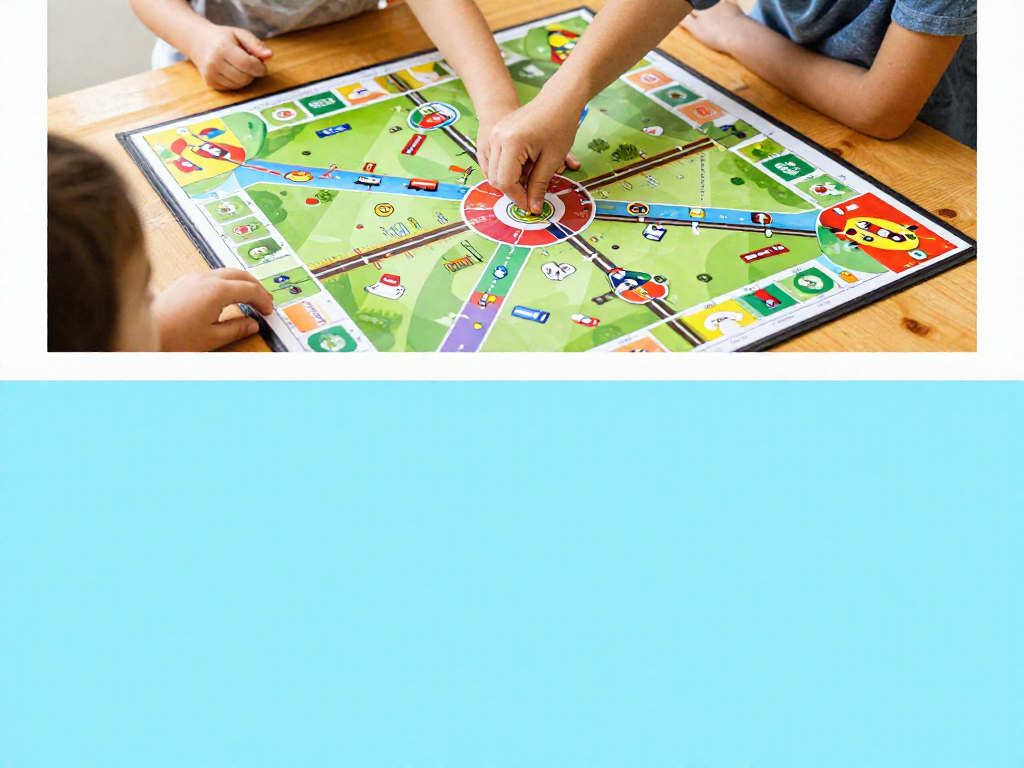
No game is perfect, so here's the honest balance after many family game nights.
Best for: 2–5 players | Ages 8 and up | 30–60 minutes | Difficulty: easy to learn
What We Loved
- Easy to teach. You can explain the whole game in about five minutes, which matters when half the table has never played before. Collect matching train cards, then spend them to claim colored routes on the map.
- Quick setup. Shuffle the cards, deal the goal tickets (secret cards that name two cities you're trying to connect), and you're playing in a couple of minutes.
- Satisfying decisions without the headache. Every turn you make a simple but meaningful choice: draw cards, claim a route, or grab new tickets. It feels strategic without demanding deep planning or jargon.
- Gorgeous components. The board is colorful, and the molded plastic trains are genuinely fun to handle. Kids love snapping them onto the map.
What Might Frustrate You
- Route-blocking can sting. When another player claims a route you needed, you may have to take a long detour—or fail your ticket entirely. Younger or more sensitive kids can find this discouraging, so consider playing the longer cross-country routes that are easier to reroute around.
- Limited depth for strategy fans. If someone at your table loves complex, brain-burning games, Ticket to Ride may feel light. After many plays the core loop can start to feel a little samey.
- Box insert is mediocre. The plastic tray inside the box does a poor job keeping the trains and cards sorted. A few small zip-top bags or a third-party organizer fixes this easily.
None of these are dealbreakers for most families—they're just worth knowing before the first game night.
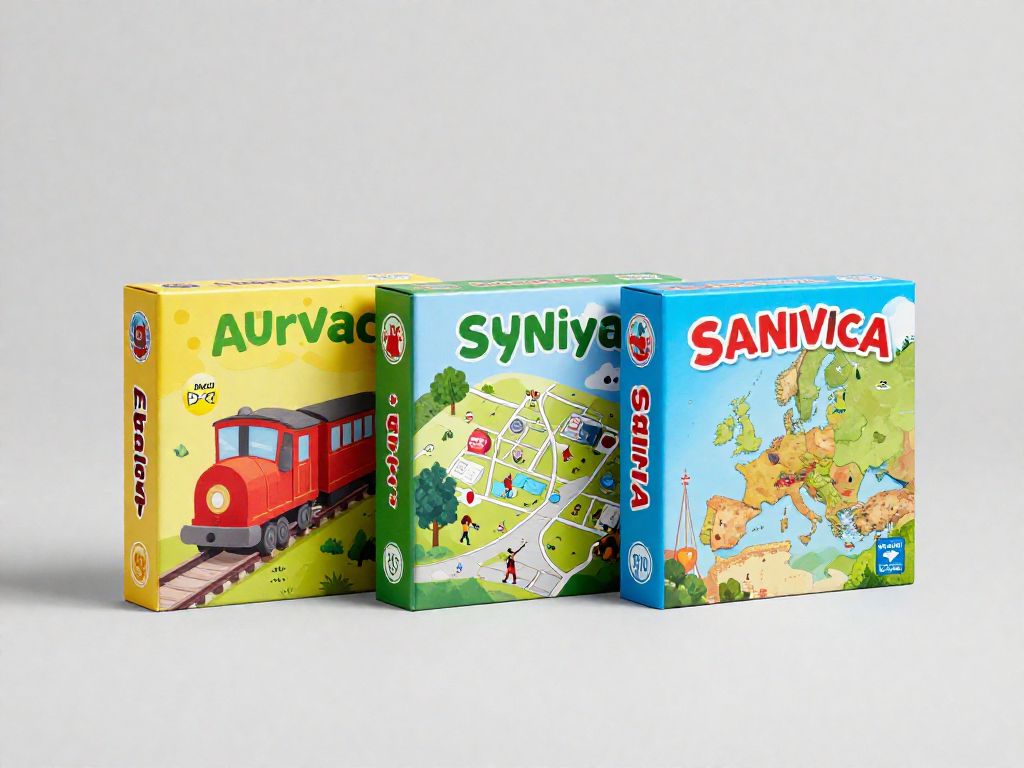
Which Version Should You Buy? (Original vs. First Journey vs. Europe)
Walk into any game store and you'll find a shelf full of Ticket to Ride boxes. They look similar, but they play very differently. Here's how to pick the right one the first time.
First Journey (the kid-friendly one)
- Players: 2–4 · Ages: 6+ · Play time: 15–30 min · Difficulty: Very easy
- A simplified version built for young kids: bigger cards, shorter games, and easier routes. Great if your youngest is in early elementary school, but it may feel thin for adults playing alone.
Original / US Map (the sweet spot)
- Players: 2–5 · Ages: 8+ · Play time: 30–60 min · Difficulty: Easy
- This is the one most families should buy. The cross-country US map is balanced, the rules are simple, and it scales well from two players up to a full table. If you only buy one, buy this.
Europe (a little more variety)
- Players: 2–5 · Ages: 8+ · Play time: 30–60 min · Difficulty: Easy–medium
- Adds three twists: tunnels (routes that may cost extra cards), ferries (routes that require special locomotive cards), and stations (let you borrow an opponent's route). None are hard to learn, but they add a few rules. A nice pick if you want slightly more depth without jumping to a complex game.
Skip these for now
Standalone maps like Rails & Sails, Nordic Countries, or the various map-pack expansions add rules or change the player count and aren't ideal as a first purchase. Come back to them once your family loves the basics.
Quick recommendation
- Young kids (6–7): First Journey
- Mixed ages or most families: Original US Map
- Adults or older kids wanting more variety: Europe
Tips to Make Your First Game Night Go Smoothly
A little prep goes a long way toward keeping everyone smiling. Here's what we've learned from real family game nights.
- Set up before the kids sit down. Punch out the train cars, shuffle the cards, and lay the board flat ahead of time. Eager players lose patience fast, so have it ready to go the moment they arrive.
- Teach by playing an open first round. Skip the rulebook lecture. Play your first round with everyone's cards face-up, talking through each choice out loud ("I need two blue cards to claim this route"). One open round teaches more than ten minutes of reading.
- Add a kid-friendly house rule or two. A "house rule" is just a small change you agree on as a family. To reduce frustration for younger players, try letting them peek at extra Destination Tickets (the cards that give bonus points for connecting two cities) before deciding, or forgive the penalty for routes they don't finish.
- Sort out snacks and table space first. Choose dry, low-mess snacks like crackers or pretzels—greasy fingers and cards don't mix. Give yourself a table big enough for the board plus a little elbow room, since players hold a handful of cards throughout.
Keep the first game light, celebrate small wins, and don't stress about scoring perfectly. The goal is fun together, not a flawless rulebook reading.
Final Take: Is It the Right First Game for Your Family?
Best for: 2–5 players, ages 8 and up, about 30–60 minutes per game, easy to learn. If your family includes kids 8 or older and you want a game that's quick to teach, looks great on the table, and rewards planning without punishing newcomers, the original Ticket to Ride is an easy yes. Everyone collects train cards to claim colorful routes across a map—simple to grasp, satisfying to win.
Choose First Journey instead if your youngest player is 6 or 7. It uses a smaller map, shorter rounds, and gentler goals so little ones can keep up and finish in about 15–30 minutes.
Once your family is hooked, try Catan (trading and building, ages 10+) for a bigger strategic step, or Carcassonne (tile-laying, ages 7+) for another relaxed, beginner-friendly favorite. Both make natural next picks for a growing game-night shelf.
See also
- Best First Board Games for Families
- Easy Board Games You Can Learn in 5 Minutes
- Ticket to Ride: First Journey Review
- Family Game Night Ideas for Mixed Ages
- Board Games for 2 Players
Related articles
New vs. Used Board Games: Where Should Beginners Buy?
Should beginners buy board games new or used, and where? Compare prices, condition risks, and the best places to shop for your first family games.
Jun 27, 2026 · 7 min read
Should You Buy a Board Game Expansion? A Beginner's Guide
Are board game expansions worth buying for beginners? Learn when an expansion adds fun, when it adds complexity, and how to choose the right one for game night.
Jun 27, 2026 · 6 min read

Pandemic Review: Is the Classic Co-op Game Right for Your Family?
An honest, jargon-free Pandemic review for families. See how it plays, what ages it suits, and whether this co-op classic fits your game nights.
Jun 27, 2026 · 11 min read