The Best Board Games for 2 Players When It's Just You Two
What are the best board games designed for exactly two players?
On this page
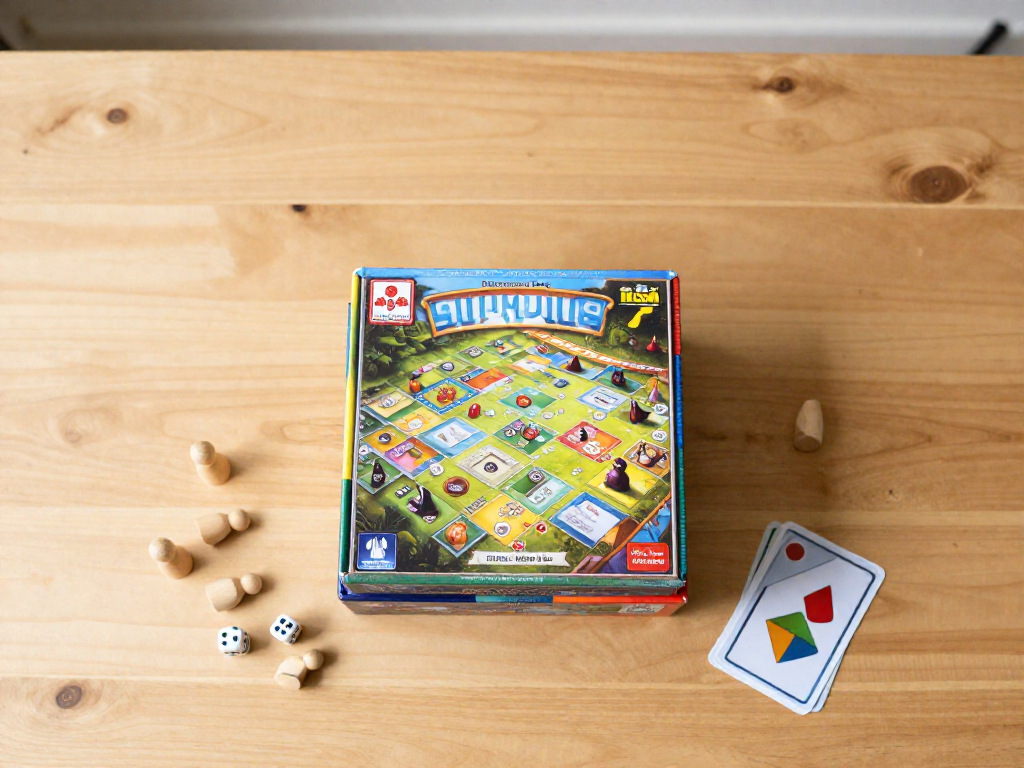
Open by naming the real problem: most "great" board games feel hollow or broken with only two people, because they're built for four or five. This guide flips that—every pick here was either designed for two players or genuinely shines head-to-head, so couples and roommates get a real game, not a watered-down one. Promise plain-language picks sorted by mood and time, no strategy jargon.
Why Two-Player Board Games Are Their Own Category
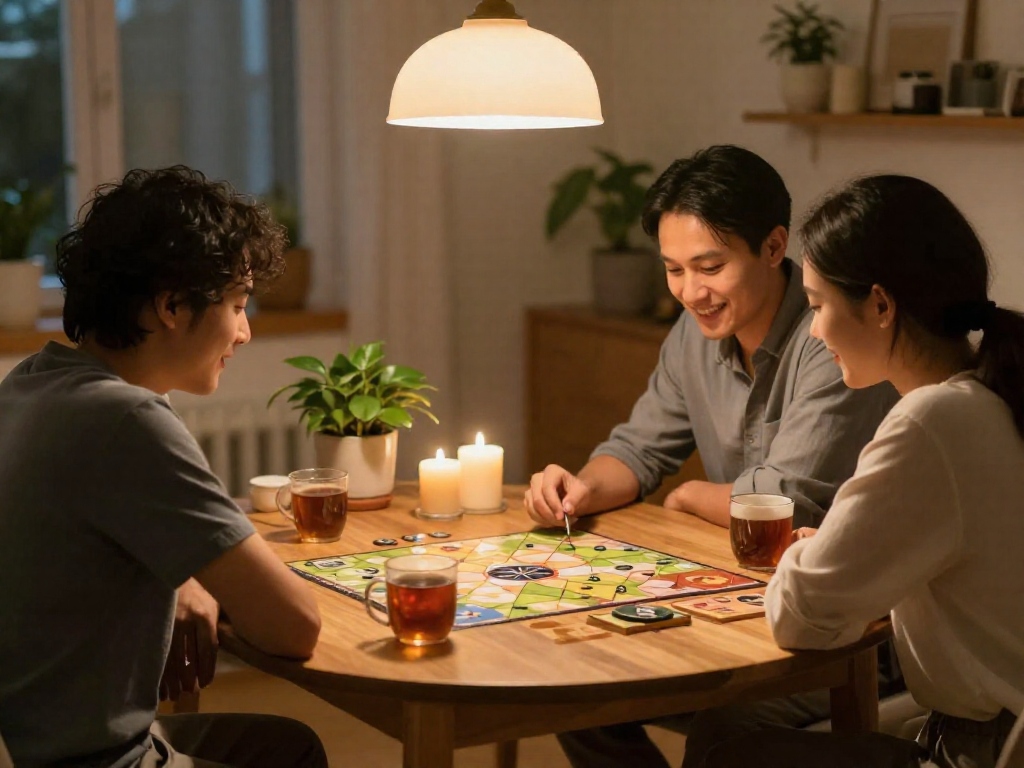
If you've ever pulled out a "family favorite" for game night with just one other person, you already know the problem: a lot of popular games simply don't shine at two. To make them work, many rely on a dummy player—an imaginary third opponent you manage with extra rules—or they quietly remove the bidding, trading, and bluffing that made them fun in the first place. The tension leaks out, and so does the fun.
Games built specifically for two are different. With no one else at the table, every move you make is aimed directly at your opponent, and every move they make lands on you. That head-to-head pressure creates a back-and-forth you just can't get when attention is split four or five ways.
When picking games for this guide, we looked for three things:
- A tight turn rhythm so no one sits around waiting
- Meaningful choices where your decisions actually matter
- A quick reset so "best of three" is easy to say yes to
Everything here is easy to learn, genuinely fun at two players, and widely available in the US—no hunting down imports or memorizing a rulebook before you can start.
Quick Picks: Best Two-Player Games at a Glance
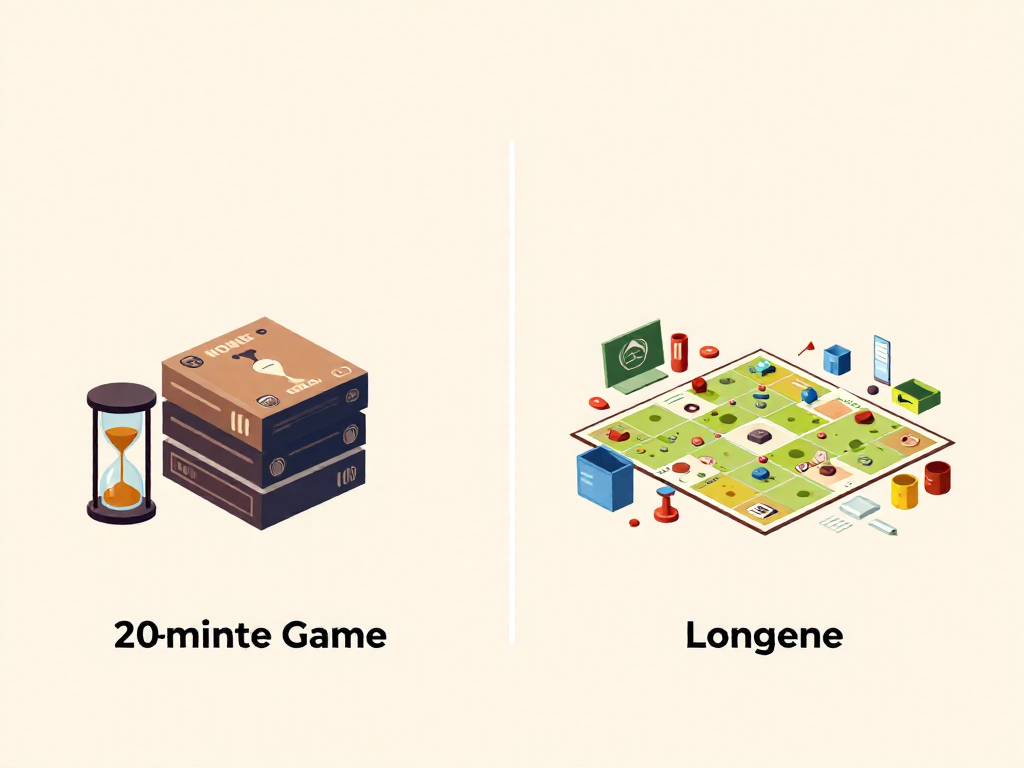
Short on time? Here are our top two-player picks. Each line lists the ideal player count, recommended age, play time, and how tricky it is to learn (difficulty), so you can grab one and start playing tonight.
- Best overall — Patchwork: 2 players · ages 8+ · 20–30 min · easy. A relaxed tile-puzzle game that's simple to teach but keeps you thinking. Great for almost any household.
- Best for date night / couples — Jaipur: 2 players · ages 10+ · 30 min · easy-to-medium. A fast trading game with just enough back-and-forth tension to feel competitive without an argument.
- Best quick game (under 30 minutes) — Hive: 2 players · ages 9+ · 15–20 min · medium. No board needed; play it anywhere in minutes.
- Best for a long, cozy evening — 7 Wonders Duel: 2 players · ages 10+ · 30–45 min · medium. More to chew on for nights when you want to sink in.
- Best budget pick under $25 — Patchwork or Jaipur: both regularly land under $25 and stay family-friendly.
All five are kid-safe with no mature content, though younger players may need a hand at first.
The Best Board Games for 2 Players
Below are our favorite two-player games, grouped by the feel you're after. We've played every one of these head-to-head, so each pick tells you what it is, why it shines with exactly two people, how long it takes to learn and play, a rough price, and who it's best for. We also flag whether a game was built for two (designed only for a pair) or is simply great at two (plays more people but really sings as a duo)—plus how well it holds up to repeat matches, since two players tend to replay the same box over and over.
Quick-learn favorites (under 15 minutes to teach)
Sushi Go! — A cute card-drafting game (you pick one card, pass the rest, repeat) about collecting matching sushi dishes.
- Built for two? Great at two (plays 2–5).
- Why it works at two: Fast, light, and a little mean—you can see what your opponent wants and snatch it.
- Learn: 5 min · Play: 15–20 min · ~$12 · Ages 8+ · Easy
- Pros: Tiny, cheap, endlessly repeatable. Cons: Light enough that strategy fans may want more.
- Who it's for: Families and casual nights. Totally kid-safe.
Jaipur — A two-player trading game where you're rival merchants buying and selling goods at a market.
- Built for two? Yes, two only.
- Why it works at two: Pure back-and-forth tension—every card you take is one your rival can't.
- Learn: 10 min · Play: 30 min · ~$22 · Ages 10+ · Easy-Medium
- Pros: Quick, smart, very rematch-friendly. Cons: Younger kids may need help.
- Who it's for: Couples and parent-with-tween. Nothing objectionable.
Lost Cities — A push-your-luck card game about funding expeditions to far-off places.
- Built for two? Yes, two only.
- Why it works at two: Constant "do I risk it?" decisions against one opponent.
- Learn: 10 min · Play: 30 min · ~$20 · Ages 10+ · Easy-Medium
- Pros: Elegant, agonizing in a good way. Cons: The theme is thin—it's really about the math.
- Who it's for: Anyone who likes tense, tidy decisions. Family-friendly.
Cozy strategy (think, but don't overthink)
Patchwork — A quilt-building puzzle where you both buy fabric pieces and fit them onto your board.
- Built for two? Yes, two only.
- Why it works at two: You're racing for the same pieces, so every turn matters.
- Learn: 10 min · Play: 30 min · ~$25 · Ages 8+ · Medium
- Pros: Relaxing yet brainy, gorgeous bits. Cons: Tetris-style spatial thinking isn't for everyone.
- Who it's for: Quiet couple's nights. Fully kid-safe.
Splendor — A gem-collecting "engine builder" (each turn sets up bigger future turns) where you develop a tiny jewelry empire.
- Built for two? Great at two (plays 2–4).
- Why it works at two: Faster and more direct competition than at full table.
- Learn: 10 min · Play: 30 min · ~$30 · Ages 10+ · Medium
- Pros: Satisfying snowball feeling, very replayable. Cons: Almost no theme.
- Who it's for: Newer hobbyists ready for a small step up. Family-friendly.
Hive — A chess-like abstract (no luck, all skill) where bug tiles try to surround the enemy queen.
- Built for two? Yes, two only.
- Why it works at two: It's a pure duel—just you, your opponent, and the board.
- Learn: 10 min · Play: 20 min · ~$25 · Ages 9+ · Medium
- Pros: No board needed, super durable, deep. Cons: "Solved" feeling for very competitive pairs over time.
- Who it's for: Chess and puzzle lovers. Kid-safe.
Head-to-head duels (the gloves come off)
7 Wonders Duel — A two-player version of the famous civilization-building card game.
- Built for two? Yes, two only.
- Why it works at two: Three ways to win (science, military, points) keep both players on edge.
- Learn: 20 min · Play: 30–40 min · ~$30 · Ages 10+ · Medium
- Pros: Huge variety, fantastic rematch value. Cons: Most teaching effort on this list.
- Who it's for: Couples wanting a meatier "main event." Family-friendly for older kids.
Star Realms — A "deckbuilder" (you start with weak cards and buy better ones mid-game) about space-fleet combat.
- Built for two? Great at two; really shines as a duel.
- Why it works at two: Direct attacks make it a true slugfest.
- Learn: 15 min · Play: 20 min · ~$15 · Ages 12+ · Medium
- Pros: Cheap, fast, very replayable. Cons: Combat theme may not suit youngest players.
- Who it's for: Competitive duos. Mild sci-fi conflict only.
Team up instead (cooperative—you both win or lose together)
The Crew — A cooperative card game of silent missions where you complete shared goals without saying your cards aloud.
- Built for two? Great at two (plays 2–5) with simple tweaks.
- Why it works at two: The puzzle of "winning without talking" is intense with a partner.
- Learn: 15 min · Play: 20 min per mission · ~$15 · Ages 10+ · Medium
- Pros: 50 escalating missions, great value. Cons: Trick-taking basics take a round to click.
- Who it's for: Pairs who'd rather collaborate than compete. Fully family-friendly.
Pandemic — The classic co-op where you team up to stop world disease outbreaks.
- Built for two? Great at two (plays 2–4).
- Why it works at two: Easier to coordinate plans and still plenty tense.
- Learn: 20 min · Play: 45 min · ~$40 · Ages 8+ · Medium
- Pros: Gripping, teamwork-focused. Cons: A strong player can take over—agree to share decisions. Disease theme is abstract, not scary.
- Who it's for: Families that want to win or lose as a team.
How to Pick the Right One for You Two
With so many great options, the easiest way to choose is to picture your actual game nights. A few honest questions will point you straight to the right box.
How much time do you really have? Some games wrap up in 15 minutes—perfect for a weeknight wind-down. Others fill a whole evening. If you usually have a spare half hour, a quick "filler" game (a short, light game meant to fit small pockets of time) will get played far more often than an epic that demands two hours.
Do you want to compete or team up? If you both love a little friendly rivalry, head-to-head games keep things spicy. If competition tends to start arguments—or you simply enjoy solving things together—look for a co-op (short for cooperative, where both players work as a team against the game itself). Co-ops are also great when one of you is newer to the hobby.
Light fun or a real brain workout? Be honest about your mood. A "brain-burner" (a game that asks for deep thinking and planning) is rewarding when you're fresh, but exhausting after a long day. Mix your shelf so you have both.
How fast can you start a rematch? Quick setup and easy storage matter more than people expect. A game you can deal out in two minutes invites "best of three." A sprawling setup may sit in the closet.
Budget and room to grow. Some games are one-and-done at a friendly price. Others come with expansions—add-on sets that introduce new content—so the game can grow with you over time. Decide whether you want a complete experience now or a hobby you'll keep building.
Answer these five, and your perfect two-player pick will practically choose itself.
Tips for a Great Two-Player Game Night at Home
A good game night is about more than the box you pick. A few small habits make it something you'll want to repeat.
- Play for stakes. A best-of-three (first to win two games) or a running scorecard you keep across weeks turns a single match into a friendly rivalry. Loser picks the snacks—just saying.
- Snack smart. Cards and wooden pieces hate greasy fingers and condensation rings. Lean on dry, low-mess options like pretzels, popcorn, or grapes, and give drinks their own coaster or side table away from the board.
- Take turns being the host. Rotate who chooses the game and who teaches the rules. It keeps you both learning new titles instead of defaulting to the same favorite every time.
- Learn rules the fast way. A short "how to play" video (3–5 minutes) almost always beats reading the manual aloud. Watch it together, then keep the rulebook nearby just for edge cases.
Set it up once, and game night becomes the easiest plan you'll make all week.
See also
- Best board games for beginners
- Easy family board games for game night
- Best cooperative board games to play as a team
- Board game gift guide under $25
- How to teach board game rules fast
Related articles
New vs. Used Board Games: Where Should Beginners Buy?
Should beginners buy board games new or used, and where? Compare prices, condition risks, and the best places to shop for your first family games.
Jun 27, 2026 · 7 min read
Should You Buy a Board Game Expansion? A Beginner's Guide
Are board game expansions worth buying for beginners? Learn when an expansion adds fun, when it adds complexity, and how to choose the right one for game night.
Jun 27, 2026 · 6 min read
Pandemic Review: Is the Classic Co-op Game Right for Your Family?
An honest, jargon-free Pandemic review for families. See how it plays, what ages it suits, and whether this co-op classic fits your game nights.
Jun 27, 2026 · 11 min read