Game Night on a Budget: Big Fun Without Spending Much
How can you host a great game night cheaply?
On this page
Why Game Night Doesn't Have to Be Expensive
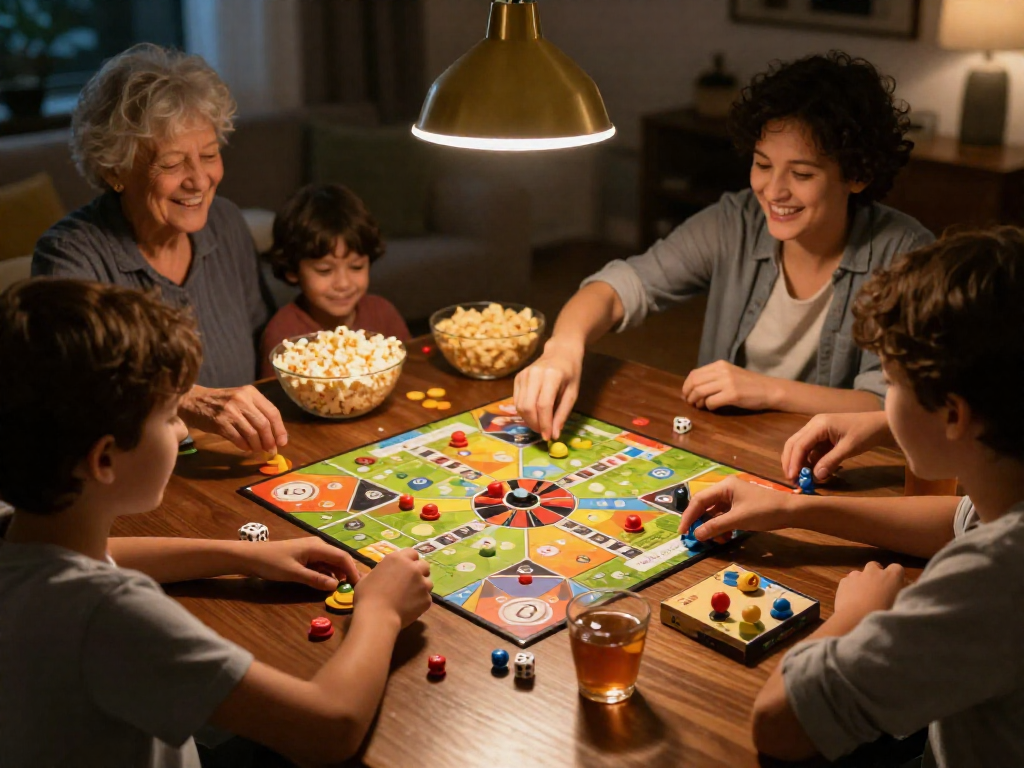
Here's the good news: a great game night is built on time together, not a big receipt. The laughs, the friendly trash talk, the "one more round" at 9 p.m.—none of that has a price tag. A brand-new box on the shelf is fun, sure, but it's not what makes the evening memorable.
You probably already have most of what you need. A deck of cards, a pad of paper, a pair of dice, or that game collecting dust in the closet can carry a whole night.
In this guide, we'll cover four budget-friendly pieces of the puzzle:
- Free games you can play with stuff around the house
- Cheap finds worth grabbing when you do want something new
- DIY snacks that feed a crowd without takeout prices
- Easy setup so the night runs smoothly
Spend less, play more.
Free Games You Can Play Tonight
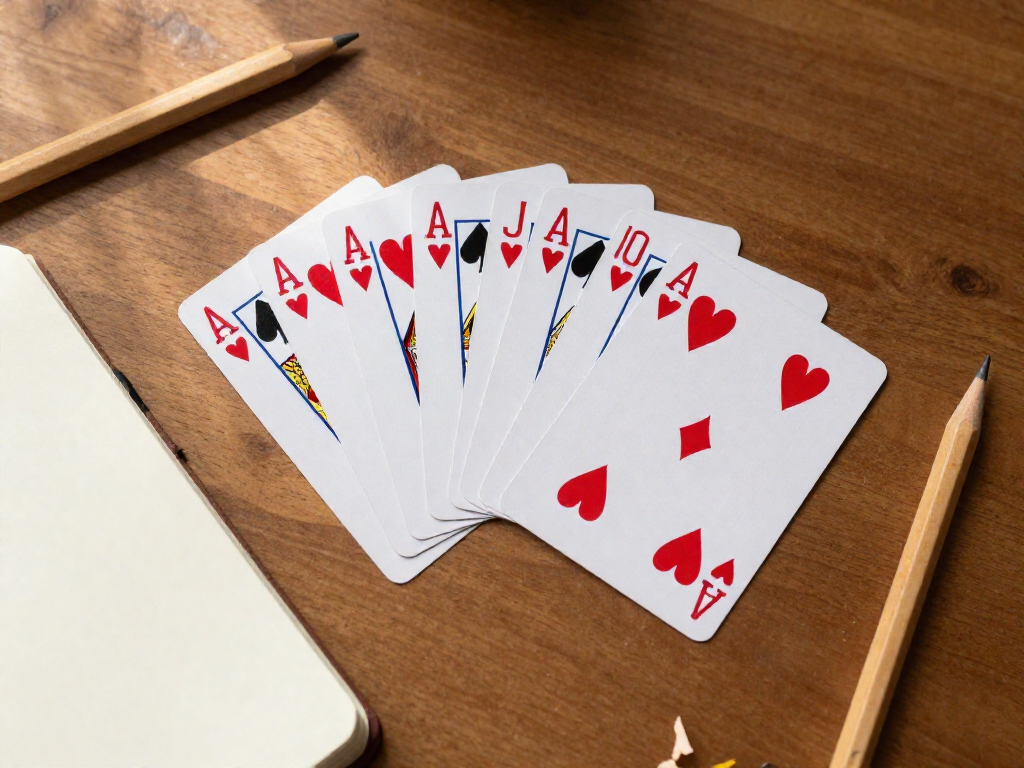
No budget, no problem. If you have a deck of cards, a few sheets of paper, or just a room full of people, you already own everything you need for a great night.
Grab a standard deck of cards
A single $1 deck unlocks dozens of games. A few crowd-pleasers:
- Go Fish — 2–6 players, ages 4+, 10–15 min, very easy. Ask others for matching cards to collect sets of four. Perfect for the youngest players at the table.
- War — 2 players, ages 4+, 10–20 min, very easy. Flip cards; the higher one wins. Zero reading required, so it suits pre-readers.
- Crazy Eights — 2–5 players, ages 6+, 15 min, easy. Match the top card by number or suit; eights are wild. A gentle intro to "shedding" games (where you race to empty your hand).
- Rummy — 2–4 players, ages 8+, 20–30 min, easy–medium. Build runs and sets. The best pick once kids can plan a turn ahead.
Family note: all are clean and cooperative in tone—great for mixed ages.
Paper-and-pencil games
Tear out a sheet and go:
- Dots and Boxes — 2 players, ages 6+, 10 min, easy. Connect dots to close squares.
- Hangman — 2+ players, ages 7+, 10 min, easy. Guess the hidden word letter by letter.
- Categories — 2+ players, ages 8+, 15 min, easy. Pick a letter and race to name a food, animal, and place starting with it.
Verbal and movement games
Nothing to set up at all: charades (act out a word silently), 20 Questions (guess what someone is thinking with yes/no questions), and would-you-rather (pose two funny choices). Great for car rides and waiting rooms too.
Free printables
Search "free printable party games PDF" for bingo, scavenger hunts, and trivia packs from teacher and parenting blogs. Stick to reputable sites and print only what you need.
Who this is for: anyone who wants fun right now with whatever's in the junk drawer.
Where to Find Cheap Games (Without Buying New)
Your game shelf doesn't have to come from full-price store runs. Here's where families find solid games for a few dollars—and how to avoid duds.
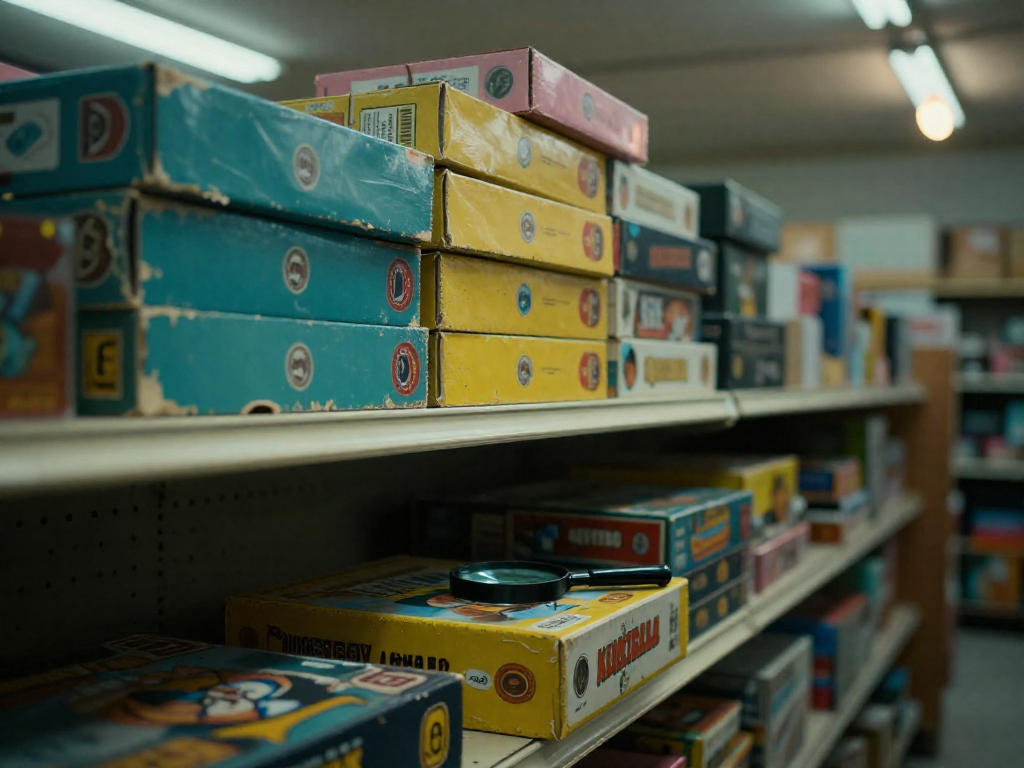
Thrift stores and garage sales. This is the budget jackpot. Stick to boxes that feel heavy (a sign the pieces are still inside) and gently open the lid to scan for a rulebook. Before you buy, do a quick count of obvious parts like dice, cards, or player tokens—a "complete" box at a yard sale often isn't. Missing a small piece? You can usually replace dice or pawns from another old game. A missing rulebook is easy to fix too: most publishers post free PDFs online.
Library lending programs. A growing number of US public libraries lend board games just like books—free, with a card. It's the lowest-risk way to "try before you buy," so you can test a game on family night before committing. Call ahead or check the catalog online to see what's available.
Secondhand apps and local groups. Apps like Facebook Marketplace and local buy/sell groups are full of lightly-played games (people's kids outgrow them fast). Meet in a public spot, and ask the seller to confirm the game is complete before you go.
Dollar store finds. Skip the flimsy knockoffs, but classic card decks, dominoes, and travel-size dice games here are genuinely worth the buck—great for ages 4 and up and quick 10-minute rounds.
Borrowing and swapping. The cheapest option is free. Trade games with friends or neighbors for a few weeks, or organize a small swap meet. You keep your nights fresh without spending a cent, and everyone discovers something new.
DIY Touches That Make the Night Feel Special
A budget game night doesn't have to feel thrown together. A few homemade touches turn an ordinary evening into an event—without spending a dime.
Print your own paperwork. Make simple score sheets in any word processor, or fold index cards into tent-style name cards for each player. Kids love seeing their name at a "seat," and a tidy score sheet makes even a casual game feel official.
Hand out goofy prizes. Stakes make games fun, so reward the winner with something memorable instead of expensive. Try a homemade trophy (a spray-painted toy glued to a jar lid works great), a hand-drawn "bragging-rights certificate," or first dibs on dessert. Cheap, but it gives everyone something to play for.
Decorate with what you already own. String up leftover party lights, drape a tablecloth or even a bedsheet, and add a candle or a bowl of snacks as a centerpiece. The goal is a small visual signal that says tonight is different.
Bend the rules on purpose. A "house rule" is simply a change you make to a published game—nothing official, just your family's version. Speed up a slow game by skipping a phase, or invent a silly bonus for the youngest player to keep things fair. Just agree on the change before you start so no one feels blindsided.
These extras cost almost nothing, work for all ages, and are easy enough to set up in a few minutes—perfect for families who want the night to feel special without the price tag.
Budget Snacks and Drinks Everyone Loves
Great snacks make game night feel special, and you don't need much to pull it off. Start with pantry staples: a big bowl of stovetop popcorn costs pennies per serving, and you can dress it up with a sprinkle of cinnamon sugar or grated parmesan. Trail mix made from whatever nuts, pretzels, and chocolate chips you have on hand stretches a long way. A simple dip—Greek yogurt mixed with a ranch seasoning packet, or canned beans blended into a quick bean dip—turns cut veggies or chips into a crowd-pleaser.
Get the kids involved by making snacks part of the fun. Let them build their own trail mix cups or assemble cracker-and-cheese stacks. It keeps little hands busy before the games begin.
One thing to plan around: protect your cards and game pieces. Stick to mess-free finger foods that don't leave greasy or sticky residue—think pretzels, grapes, popcorn eaten with a napkin, or anything you can grab with a toothpick. Keep wet dips at a separate table.
For drinks, skip the soda budget. A pitcher of water with sliced lemon, a jug of homemade iced tea, and a simple DIY station—juice, sparkling water, and a few fruit garnishes—let everyone mix their own for next to nothing.
Set Up a Smooth Night on a Budget
A great game night is more about setup than spending. Start by matching games to your group. Count heads and ages first: a fast party game shines with 5–8 players, while a quieter pick suits 2–4. If little ones are joining, lean on games rated for ages 6+ that still hold an adult's interest.
Keep rules light. Skip reading the rulebook cover to cover—explain the goal, the basic turn, and one or two key actions, then teach the rest as you play. People learn faster by doing.
To include younger kids without buying anything new, pair them up to play on a team with an adult, give them a simple job (rolling dice, dealing cards), or let them "win" a round early to stay engaged. Small tweaks keep mixed ages happy at no extra cost.
FAQ
What can I play for game night without buying any games?
Plenty—you likely already own everything you need. A standard deck of cards covers classics like Go Fish (2–6 players, ages 4+, ~15 min, very easy), Rummy (2–6 players, ages 8+, ~30 min, easy), and Hearts (4 players, ages 10+, ~30 min, easy). Pen-and-paper games like Categories/Scattergories-style lists and dots-and-boxes work for mixed ages and cost nothing. Charades and 20 Questions need zero supplies and scale to big groups. Dice games like Farkle (2+ players, ages 8+, ~30 min, easy) just need six dice. Who this is for: families who want fun tonight without a trip to the store. Family note: all of the above are kid-safe, though scorekeeping games like Rummy go smoother with an adult helping younger players.
Where can I find cheap board games for families?
Start secondhand. Thrift stores, garage sales, and online marketplaces (Facebook Marketplace, eBay, OfferUp) regularly have well-known family games for a few dollars—just open the box at pickup to confirm pieces are complete. Big-box and warehouse stores discount popular titles after holidays. Your local library may lend games for free (more on that below). For brand-new copies, watch seasonal sales and discount retailers. Buy-nothing groups and neighborhood swaps are great for trading games your family has outgrown. Who this is for: budget-minded families building a small, high-use collection. Tip: prioritize 'gateway games'—a hobby term for simple, broadly appealing games that ease newcomers in—since they get played most and hold resale value.
How do I make game night fun for kids and adults at the same time?
Pick games that level the playing field so a 7-year-old and a grown-up can both genuinely win. Look for 'press-your-luck' games (where you decide how far to push your luck before losing your turn's points) and cooperative games (everyone plays as a team against the game), since these reduce the skill gap. Choose titles with short play times (15–30 minutes) and low difficulty so attention spans hold. Use teams to pair a younger player with an adult. Set a relaxed house rule that bad moves get a friendly do-over for the youngest players. Who this is for: mixed-age households that want everyone engaged, not just the adults. Family note: skip games with reading-heavy cards or fine-print scoring if your kids are pre-readers—pick picture-based or memory games instead.
What are easy budget snacks for game night?
Go for shareable, low-mess, low-cost options. Popcorn (stovetop or microwave) is the cheapest crowd-pleaser; a big bowl feeds the table for cents per serving. Other budget picks: pretzels, tortilla chips with a simple bean or salsa dip, veggie sticks with ranch, trail mix you portion yourself from bulk bins, and fruit slices. Keep hands clean for the cards and components—offer small bowls and napkins, and steer toward dry, non-greasy snacks near the table. A pitcher of water or homemade lemonade beats individual drinks on cost. Who this is for: families feeding a group without ordering takeout. Family note: check for allergies (nuts in trail mix are common) and keep a wet cloth handy for younger players.
Are library board game lending programs really free?
Often yes. A growing number of US public libraries lend tabletop games the same way they lend books—free to borrow with a library card, for a set loan period. Some run an in-library game collection you can play on-site during open hours. Policies vary by branch: check loan length, whether you can renew, any late or missing-piece fees, and how they handle replacing lost components. Some libraries limit how many games you can borrow at once. Who this is for: families who want to try a game before buying it. Tip: call or search your library's catalog for 'board games' or 'games of obligation/lending kit,' and ask staff which titles are most popular—borrowing first is the cheapest way to find keepers.
See also
- Best Family Board Games for Beginners
- Easy Card Games to Teach Kids
- Game Night Snack Ideas the Whole Family Will Love
- How to Explain Board Game Rules Without the Jargon
Related articles
Outdoor and Backyard Game Night Ideas for Warm Evenings
Plan the perfect outdoor game night with family-friendly backyard games, lighting and snack ideas, and tips for playing tabletop games outside on warm evenings.
Jun 27, 2026 · 7 min read

How to Handle a Sore Loser at Family Game Night
Tears, tantrums, and table-flipping? Here's how to defuse poor sportsmanship and teach kids (and adults) to lose gracefully at family game night.
Jun 27, 2026 · 9 min read
How to Keep Young Kids Engaged During Family Game Night
Short attention spans and meltdowns? Here's how to keep little kids interested during family game night, with simple fixes for the most common problems.
Jun 27, 2026 · 9 min read