How to Keep Young Kids Engaged During Family Game Night
How do you keep little kids interested during game night?
On this page
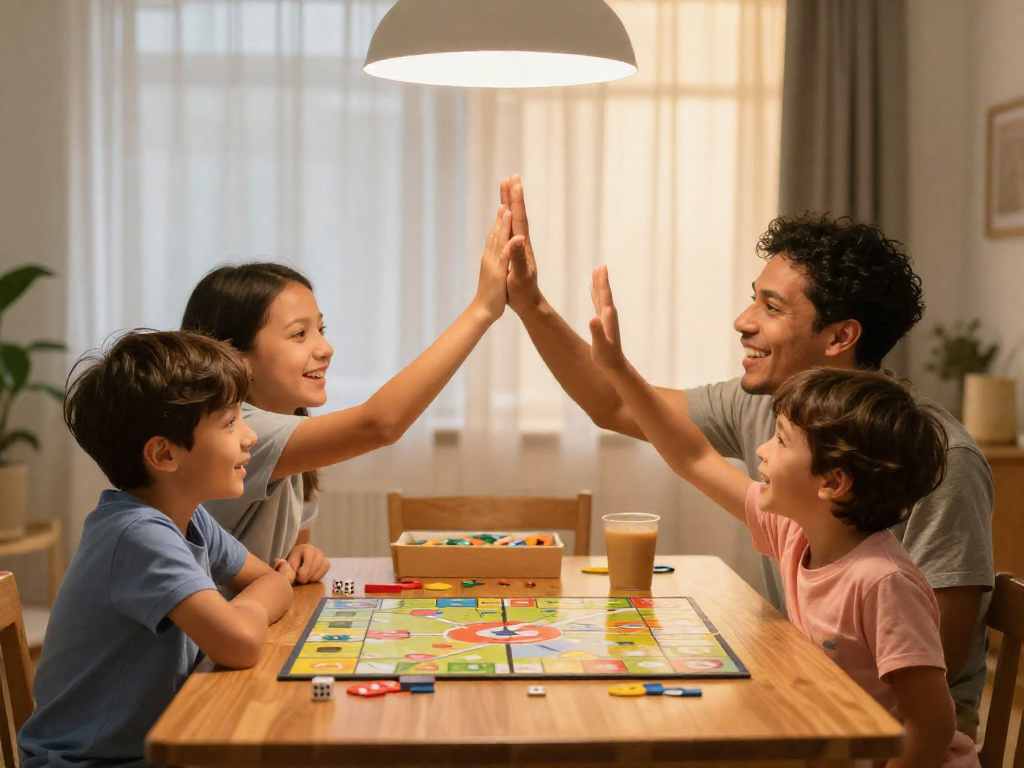
Why Young Kids Lose Interest (the Real Reasons)
Before you can fix a fading game night, it helps to know what actually went wrong. Most meltdowns and "I'm bored" moments trace back to a handful of predictable causes.
Their attention span is shorter than the game. A useful rule of thumb: kids can focus for roughly 2–5 minutes per year of age. So a 5-year-old may tap out after 10–25 minutes—long before a 45-minute game ends.
The game asks too much. Games that run long, pack in lots of rules, or leave a child waiting several minutes between turns ("downtime") are the fastest way to lose a young player. Watch for fidgeting during other people's turns—that's your signal.
Losing or confusion stings. Kids who don't fully understand the rules, or who lose repeatedly, often quit to protect their feelings. Frustration reads as misbehavior, but it's usually a difficulty mismatch.
Basic needs are off. Hunger, tiredness, and bad timing (right before bed, right after school) sabotage focus no matter how good the game is.
Overstimulation vs. boredom. These look different. An overstimulated child gets wound up, loud, or weepy and needs to dial things down. A bored child goes quiet, drifts, or wanders off and needs more to do. Naming which one you're seeing tells you whether to slow down or shake things up.
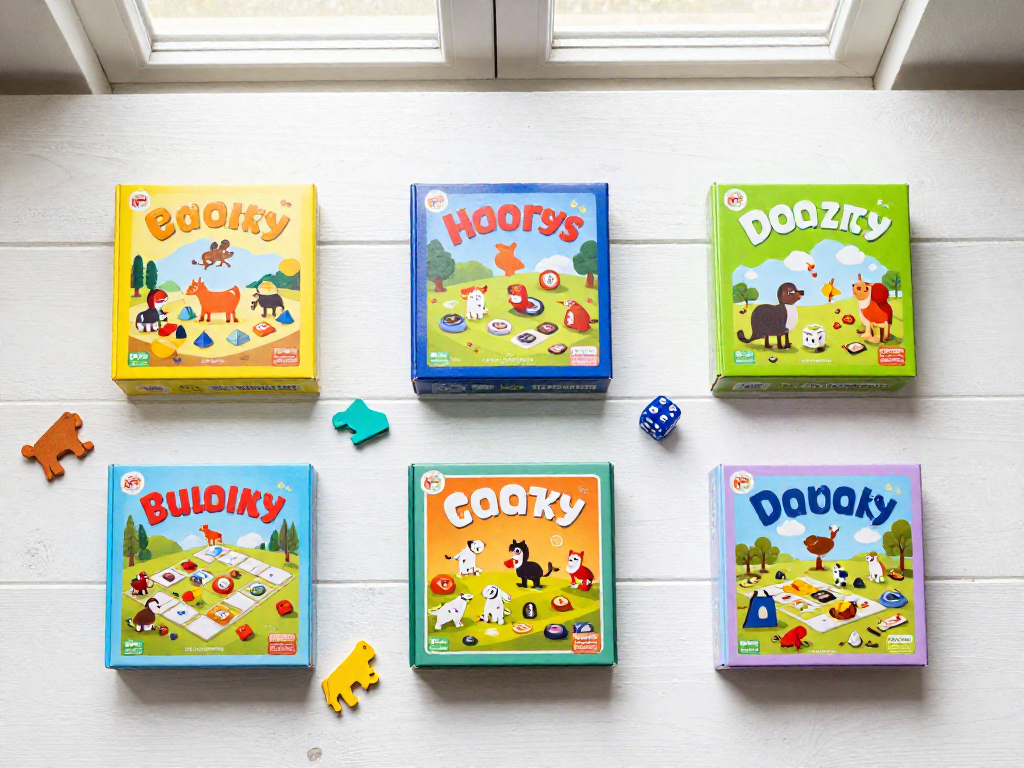
Pick the Right Game for the Right Age
Most game-night meltdowns aren't a behavior problem—they're a mismatch problem. The game is too long, too complicated, or too quiet for your kid's age. Fix that first and half your engagement battle disappears.
A few things to look for:
- Short play times (5–15 minutes). Young kids run out of focus fast. A game you can finish before attention fades feels like a win, not a chore.
- Simple turns. One clear action per turn beats games where a turn has five steps to remember.
- Cooperative games, where everyone plays as a team against the game instead of against each other, cut way down on tears from losing.
- Movement, touch, or silly sounds. Flicking, stacking, grabbing, and goofy noises keep little hands and brains busy.
- Skip heavy reading and long downtime. If a child waits three minutes for their next turn, you've lost them.
Some beginner-friendly picks by age:
- Ages 3–4: My First Orchard (2–4 players, ~10 min, very easy). Cooperative, chunky pieces, no reading. Who it's for: first-timers learning to take turns. Heads-up: small fruit pieces, so watch the youngest.
- Ages 5–6: Hoot Owl Hoot! (2–4 players, ~15 min, easy). Cooperative and colorful. Who it's for: kids who melt down when they lose.
- Ages 7–8: Outfoxed! (2–4 players, ~20 min, easy–medium). A team "whodunit" with light deduction. Who it's for: kids ready for a little thinking without long rules.
All three are fully family-friendly with no scary or mature content.
Set the Table for Success Before You Start
Half of a smooth game night is decided before anyone touches a card. A little planning around timing, space, and expectations goes a long way with young kids.
Time it right. Aim to play after a snack but before the "overtired window"—that stretch late in the day when little ones melt down fast. A fed, alert kid plays; a hungry or sleepy one fusses.
Keep it short. End the session while they still want more, not after they've checked out. Ten to fifteen minutes is plenty for ages 4–6. Stopping on a high note makes them eager for next time.
Clear the field. Turn off the TV and put tablets out of sight. Competing screens will always win against a board game, so remove the contest entirely.
Skip the rulebook lecture. Explain the game in one or two sentences, then learn by playing. Kids absorb rules through doing far better than through listening.
Let them choose. Offer two or three options and let your child pick the game. That small bit of ownership—called "buy-in"—turns a game you picked into a game they want to play.
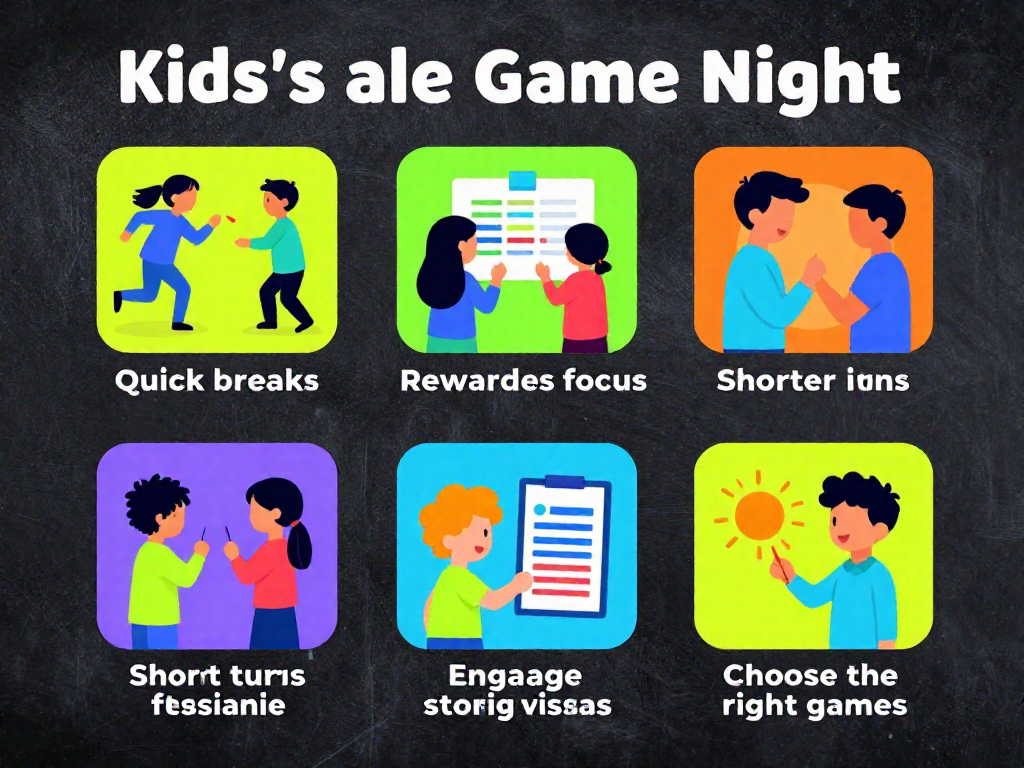
In-the-Moment Fixes for Wandering Attention
You picked the right game and set up well, but ten minutes in a kid is under the table. That's normal. Here's what actually pulls them back without ending the night.
Give the restless kid a job. Make them the dealer (the person who hands out cards), the dice roller, or the scorekeeper. A clear role turns "waiting" into "doing," and most kids will guard their job fiercely.
Speed up turns and drop the optional rules. Momentum matters more than completeness with young players. Skip any rule labeled "advanced" or "variant" in the booklet—you can add it back another night. Set a loose pace so no single turn drags.
Make it silly. Announce moves in a dramatic voice, add a sound effect when someone scores, or turn a step into a quick race ("first to grab the red token"). Energy is contagious and resets a fading mood fast.
Take a 90-second movement break. If everyone's slumping, pause and do something physical—a lap around the room, a stretch, a snack grab. Then come back to the same board. A short reset beats pushing through a meltdown.
Switch to a simpler version on the fly. Cut the score goal in half, remove a confusing component, or play cooperatively (everyone wins or loses together) instead of competitively. You're not "cheating"—you're matching the game to the kid in front of you.
One guiding rule: finishing isn't the win. A short game that ends with kids asking to play again is a far bigger success than a "complete" game that ends in tears.
Handling Meltdowns and the "I'm Losing" Tears
For a lot of kids, losing feels like the end of the world—and one good cry can shut down the whole night. The good news: how the grown-ups react matters more than the final score.
Model losing calmly. When you lose, say it out loud with a shrug: "Aw, you got me! Good game." Kids copy your tone, so a relaxed adult makes losing look survivable.
Spread out the win or loss. Try a cooperative game (one where everyone plays as a team against the game itself, so you all win or lose together) or split into teams. No single kid carries the "loser" label.
Let a kid tap out. If one child is done, let them step away to color or watch—without ending the game for everyone else. Bowing out gracefully is a skill worth modeling, too.
Praise the right things. Call out the fun and the effort: a clever move, a brave guess, a big laugh. When winning isn't the only thing that earns attention, the stakes drop.
Know when to call it. If tears are rolling and nobody's having fun, stop. Ending early isn't failure—it keeps game night a place kids actually want to come back to.
Build a Routine Kids Look Forward To
One great game night is fun. A weekly one becomes something your kids count on. The trick is making it a habit that runs on its own steam, so you spend less energy rallying everyone each time.
Start by picking the same night every week. Predictability builds anticipation—kids will start asking about it days ahead. Then add a few small rituals that signal "it's game night": a special snack you only bring out then, or a short playlist that plays while you set up. These little cues do a lot of the work of getting everyone excited.
To keep it from feeling stale, rotate who picks the game so each person gets a turn. And as your kids' skills grow, gently introduce slightly longer or trickier games—a 20-minute game instead of a 10-minute one, or one with a simple new rule. Small steps keep the challenge fresh without overwhelming anyone.
FAQ
What age can kids start playing board games?
Most kids can start with simple board games around age 3, beginning with cooperative or matching games that don't require reading or complex turns. Look for games labeled for ages 3+, which usually involve recognizing colors, shapes, or pictures and last under 15 minutes. Around ages 4–5, children can handle short turn-based games with basic counting. A great starter is a cooperative game (where everyone plays as a team against the game rather than each other), since it removes the sting of losing while teaching turn-taking. Match the game to your child's attention span rather than the box age alone—some 3-year-olds happily sit for a quick game, while others do better with 5-minute rounds.
How long should family game night be for young kids?
For young children, aim for 20–40 minutes of total play, broken into shorter games rather than one long one. Kids under 6 typically focus well for only 10–15 minutes at a stretch, so two or three quick games keep energy up better than a single 45-minute game. Watch your child's cues: end while they're still having fun rather than pushing until someone gets cranky. A simple rhythm that works well is one warm-up game everyone knows, one new or slightly longer game, and a quick favorite to finish on a high note. Keeping it short also makes game night something kids look forward to repeating.
What are the best games for kids with short attention spans?
The best games here are fast, simple, and active. Look for games with quick rounds (5–10 minutes), simple rules, and a physical or visual element to hold attention. Strong categories include speed-matching games, dexterity games (where you physically stack, flick, or balance pieces), and simple cooperative games. Good picks: a matching/spotting game (2–6 players, ages 3+, ~5 min, very easy) for instant engagement; a stacking dexterity game (2–4 players, ages 4+, ~10 min, easy) that keeps hands busy; and a kids' cooperative game (2–4 players, ages 4+, ~15 min, easy) so a slow turn doesn't lose the table. Who this is for: families with wiggly young kids who need momentum—avoid anything with long downtime between turns or heavy reading. All of these are family-friendly with no mature content.
How do I stop my child from melting down when they lose?
Losing tantrums are normal at this age because young kids are still learning to manage big feelings. A few approaches help: start with cooperative games (everyone wins or loses together) so there's no single loser, then ease into competitive games once your child is comfortable. Before you play, set the tone by naming that the fun is in playing, not just winning, and model it yourself by reacting calmly when you lose. Praise effort and good sportsmanship out loud ("Nice move!" or "Great trying again"). Keep games short so a loss feels small and another round is always close. If a meltdown starts, stay calm, acknowledge the feeling ("It's frustrating to lose"), and take a short break rather than forcing the game to continue.
Should I let my young child win on purpose?
With very young children (roughly ages 3–5), occasionally letting them win is fine and can keep early game experiences positive while they build confidence and learn the rules. As kids approach 6 and older, shift toward playing honestly so they learn that winning is earned and that losing is survivable—both important for real sportsmanship. A good middle path is to play cooperative games (where you genuinely win or lose as a team) so the question of throwing the game disappears, or to use games with a luck element so a young child has a fair shot without you faking it. The goal over time is for your child to enjoy the playing itself, win or lose, rather than depending on always coming out on top.
See also
- Best Cooperative Board Games for Families
- Easy Board Games You Can Teach in 5 Minutes
- Board Games by Age: A Parent's Guide
- How to Start a Weekly Family Game Night Tradition
Related articles

Outdoor and Backyard Game Night Ideas for Warm Evenings
Plan the perfect outdoor game night with family-friendly backyard games, lighting and snack ideas, and tips for playing tabletop games outside on warm evenings.
Jun 27, 2026 · 7 min read
Game Night on a Budget: Big Fun Without Spending Much
Host a fun family game night without overspending. Get free and cheap game ideas, DIY snacks, and simple setups everyone will love.
Jun 27, 2026 · 9 min read

How to Handle a Sore Loser at Family Game Night
Tears, tantrums, and table-flipping? Here's how to defuse poor sportsmanship and teach kids (and adults) to lose gracefully at family game night.
Jun 27, 2026 · 9 min read