How Much Should You Spend on a Board Game? A Beginner's Price Guide
How much does a good board game cost and what should beginners budget?
On this page
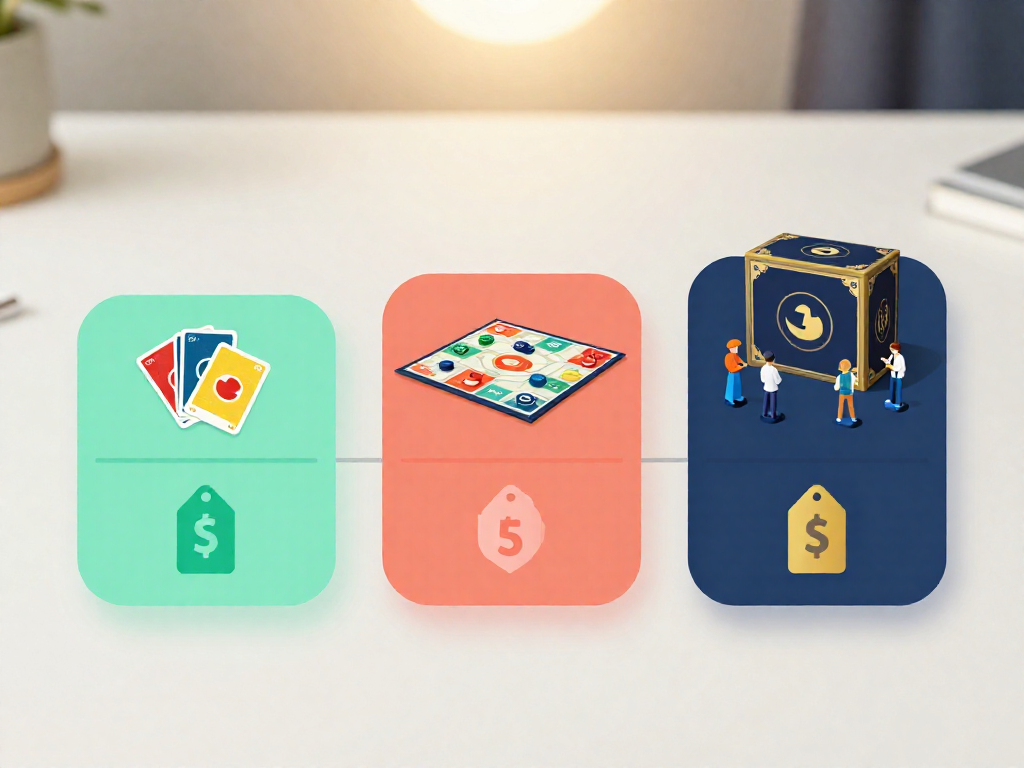
The Short Answer: What a Good Board Game Actually Costs

If you just want a number: most well-reviewed family board games cost between $25 and $45, and the sweet spot for beginners is $30 to $40. Spend in that range and you'll get a game with sturdy pieces, clear rules, and enough replay value to earn a permanent spot on the shelf.
Here's the reassuring part: a higher price doesn't mean more fun. Several genuinely beloved games cost under $20—and many families play them far more often than the pricey ones gathering dust. So don't feel you have to "buy up" to get a great game night.
What you're actually paying for comes down to a few things:
- Components — the quality and quantity of pieces, cards, boards, and tokens inside the box.
- Box size — bigger boxes with more stuff generally cost more.
- Art and design — original illustration and graphic design add to the price.
- Licensing — games tied to a movie, show, or popular brand often carry a premium for the name.
For your first few purchases, aim for that $30–$40 range for a versatile crowd-pleaser, and keep an eye out for the under-$20 gems—we'll point you to specific ones throughout this guide.
Board Game Price Tiers Explained (And What You Get)
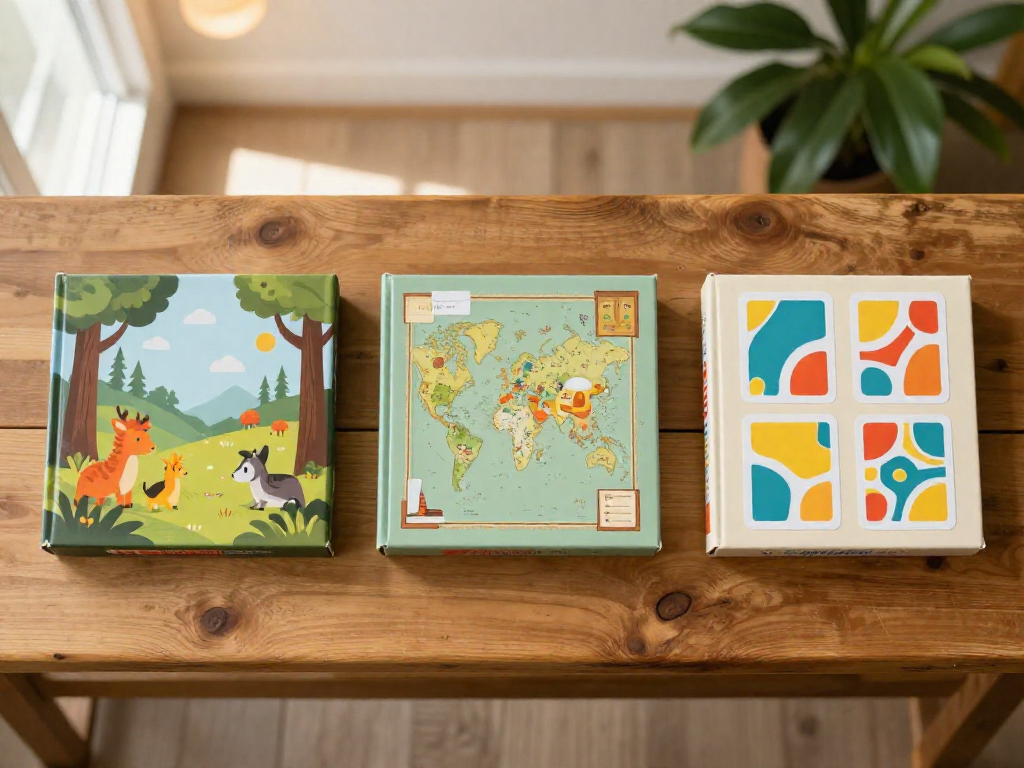
Board game prices sort neatly into tiers, and each one tells you roughly what to expect in the box. Here's what your money actually buys as you move up.
Under $15: Card games and quick fillers
These are small-box card games you can learn in five minutes—great for warming up a game night or playing while dinner cooks. A "filler" is just hobby shorthand for a short, light game that fills the gap between bigger ones.
- Examples: Uno, Sushi Go!, Love Letter
- Players: 2–5 | Ages: 7+ | Play time: 10–20 min | Difficulty: very easy
- Who it's for: Families with younger kids and anyone who wants a low-commitment first purchase. Totally family-friendly.
$15–$30: Gateway games and family staples
A "gateway game" is one designed to ease newcomers into the hobby—simple rules, but with real decisions to make. This is the sweet spot for a first real game.
- Examples: Ticket to Ride card games, Sushi Go Party!
- Players: 2–6 | Ages: 8+ | Play time: 20–30 min | Difficulty: easy
- Who it's for: New hobbyists who want something with a bit more meat than a card game, without spending much.
$30–$50: Full-box family favorites
This is where you get the "big box" experience: a board, sturdy pieces, and a game that can become a regular at the table.
- Examples: Ticket to Ride, Catan, Carcassonne
- Players: 2–5 | Ages: 8–10+ | Play time: 45–75 min | Difficulty: easy to moderate
- Who it's for: Families ready for a centerpiece game. Heads up: Catan involves trading and a bit of negotiation that very young kids may find frustrating.
$50–$80: Bigger games, more in the box
Expect more components, longer play, and deeper choices. These reward groups that already enjoy game night and want a bigger challenge.
- Players: 1–4 typically | Ages: 10+ | Play time: 60–120 min | Difficulty: moderate
- Who it's for: Established hobbyist households—usually not a first buy.
$80+: Premium, collector, and legacy games
A "legacy" or "campaign" game is one you play across many sessions, sometimes permanently altering the components as the story unfolds. Premium pricing buys deluxe pieces, miniatures, and dozens of hours of play.
- Who it's for: Committed hobbyists. Skip this until you know the hobby is for you.
What you actually gain moving up a tier
You're paying for three things: component quality (cardboard and plastic instead of just cards), depth (more meaningful decisions), and replayability (it stays fresh after many plays). For most beginners, the $15–$50 range delivers the best value per dollar.
Cost Per Play: The Number That Actually Matters
Here's the shift that changes how you shop: stop looking at the sticker price and start thinking about cost per play—the price divided by how many times you'll actually get it to the table.
A $40 game you play 20 times costs $2 a session. That's cheaper than a single movie ticket, and the whole family plays. Suddenly that "expensive" box looks like a bargain.
How to estimate replay value before you buy. Ask three quick questions:
- Does each game feel different? Random setups, hidden roles, or new cards each round keep things fresh.
- Does it fit your group? A game built for your usual player count and ages gets played; one that needs exactly five adults gathers dust.
- Is it easy to start? If teaching the rules takes 30 minutes, you'll reach for it less often.
This is why a cheap game you play once is the real money pit. A $15 game that bores everyone after one night costs you the full $15 and a wasted evening. The $40 game that becomes a weekly favorite wins easily.
Strong replay value for the money: look for "modular" games (the board or cards change every time) and party games that scale with the crowd. These tend to earn their keep fastest—and turn a one-time purchase into months of game nights.
How to Spend Less Without Buying Junk
You don't have to pay full price to build a great game shelf. A few simple habits keep your costs down while steering you away from flimsy, disappointing games.
- Buy used. Thrift stores, Facebook Marketplace, and the BoardGameGeek Marketplace (a hobby website where fans buy and sell games) are full of gently played copies. Just confirm all pieces are included before you pay—ask the seller for a photo of the contents.
- Wait for sales. Prices drop hard around Black Friday and Amazon Prime Day, and your local game store (often shortened to "FLGS," friendly local game store) usually runs holiday and anniversary deals. If a game isn't urgent, add it to a wishlist and pounce when it dips.
- Skip the fancy versions—for now. Deluxe editions and Kickstarter releases (games funded in advance by buyers before they're made) pile on extras and cost. As a beginner, the standard retail edition plays exactly the same for less money.
- Borrow before you buy. Many public libraries lend board games for free, and board game cafés let you try titles for a small table fee. Playing first means you only spend on games you already know your family enjoys.
A little patience here easily saves you 30–50% without lowering quality.
A Simple Budget for Your First Few Games
You don't need a closet full of boxes to have great game nights. Three well-chosen games cover almost every occasion, and you can build that shelf for around $100.
Here's the starter plan:
- A $15 filler — a quick, light game (a "filler" is something you play in 15–20 minutes between bigger games or while waiting for people to arrive). 2–5 players, ages 8+, ~15 min, very easy.
- A $25 family game — your everyday crowd-pleaser. 2–6 players, ages 8+, 30–45 min, easy.
- A $40 staple — the meatier game you'll return to often. 2–4 players, ages 10+, 60 min, medium.
How many do you actually need? For most families, three is plenty to start. One short, one medium, one longer gives you options no matter how much time or energy the table has.
When to spend more: If you host a regular group that meets often, a single $50–$60 game can be worth it because the cost spreads across many plays.
Red flags you're overspending as a beginner:
- Buying games you haven't watched a quick how-to-play video for first.
- Stacking up titles for 5+ players when you usually game with two or three.
- Chasing add-on expansions before you've worn out the base game.
See also
- Best Board Games Under $20 for Family Game Night
- Best Gateway Board Games for Beginners
- How to Host the Perfect Family Game Night
- Board Game Buying Guide: What to Look for in Your First Game
Related articles
New vs. Used Board Games: Where Should Beginners Buy?
Should beginners buy board games new or used, and where? Compare prices, condition risks, and the best places to shop for your first family games.
Jun 27, 2026 · 7 min read
Should You Buy a Board Game Expansion? A Beginner's Guide
Are board game expansions worth buying for beginners? Learn when an expansion adds fun, when it adds complexity, and how to choose the right one for game night.
Jun 27, 2026 · 6 min read
Pandemic Review: Is the Classic Co-op Game Right for Your Family?
An honest, jargon-free Pandemic review for families. See how it plays, what ages it suits, and whether this co-op classic fits your game nights.
Jun 27, 2026 · 11 min read