Board Game Setup Cheat Sheet: Get Any Game to the Table Faster
How can you speed up board game setup and teardown?
On this page
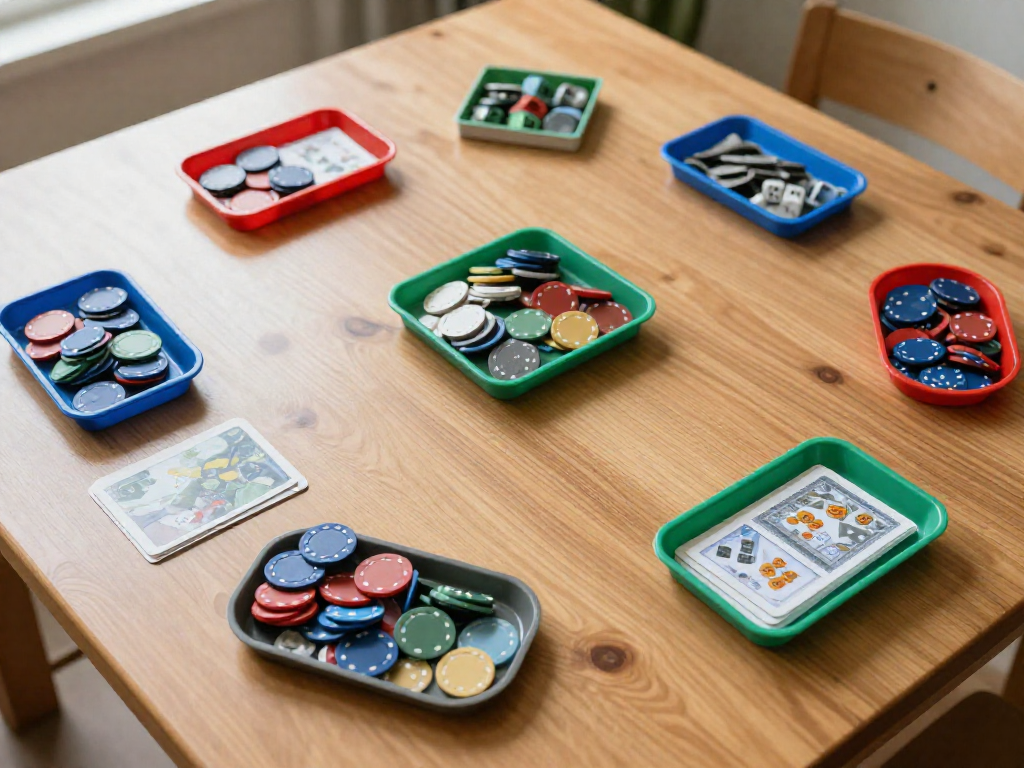
Why Setup Eats Your Game Night (and How to Fix It)
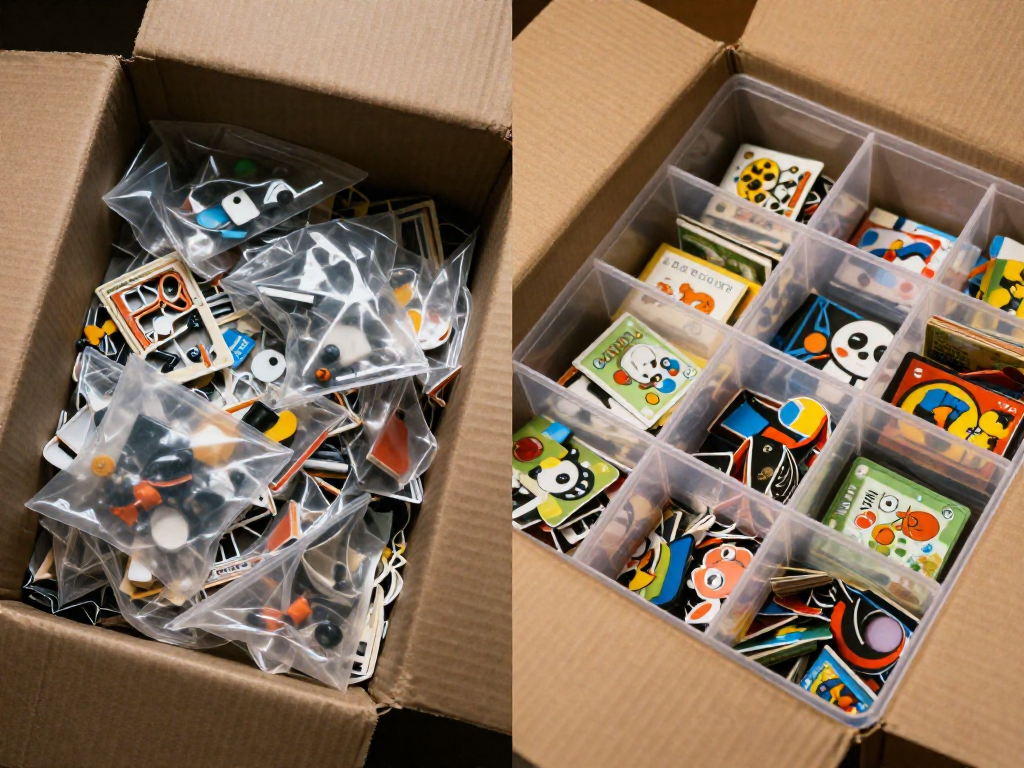
You finally get everyone to the table, then spend the next 15 minutes punching out cardboard tokens, flipping through the rulebook, and counting cards. For a quick 30-minute game, setup and teardown (packing everything away at the end) can eat up half your actual playtime. That's a real chunk of the evening gone before anyone rolls a die.
Three culprits cause most of the drag:
- Hunting for rules you half-remember from last time
- Sorting loose pieces that got dumped back in the box
- Re-counting components to make sure nothing's missing
The good news: the fix isn't a pricey insert or a fancy storage system. It's a few simple habits and smart ways to store what you already own. This cheat sheet hands you those shortcuts so you spend less time prepping and more time playing together.
The 5-Minute Setup Routine (Steal This Order)
Most setup slowdowns come from doing things in the wrong order. Follow this sequence and almost any game hits the table faster.
Step 1: Clear and define your table zones. Wipe the table and mentally split it into three areas: the shared zone (the board and anything everyone uses), one player area per person (where each player keeps their own pieces), and a discard pile (cards or tokens that leave the game). Knowing where things go prevents the mid-setup shuffle.
Step 2: Pull the rules or quick-start card before opening anything. Many games include a one-page "quick-start" card—a short summary of how to set up and play. Read it first so you know what you actually need before tearing into component bags.
Step 3: Sort components by type while you read the setup steps. Separate cards, tokens, dice, and player pieces into small piles. Sorting as you read the instructions means each step is just "grab and place."
Step 4: Deal player pieces and starting resources last. Build the shared board first, then hand out each player's starting items. Doing this last keeps loose pieces from getting bumped while you set up everything else.
Step 5: Assign one "rules reader." Pick one person to read setup and rules aloud so the group isn't all flipping through the booklet at once. Rotate the job each game night so everyone gets a turn—and a break.
Storage Hacks That Pre-Solve Setup
Here's the secret most game-night veterans learn the hard way: the fastest setup happens before you ever sit down. How you put a game away tonight decides how quickly it hits the table next time. A little organizing up front does more than any setup trick on the night itself.
Start by ditching the baggies. Loose plastic bags spill, tear, and force you to hunt for pieces. Swap them for small lidded containers, a bead organizer (a craft case with adjustable compartments), or token trays (shallow divided dishes that hold game pieces). Everything stays sorted and grab-ready.
Before the game goes back on the shelf, sort it the way you'll need it. Group components by type (cards, tokens, dice) or by player color, so each person can scoop up their pieces in seconds. Keep the rulebook and any quick-reference card on top of the box, not buried at the bottom—you'll reach for them first.
Don't be afraid to toss or recycle the molded plastic insert if it doesn't actually hold the pieces in place. Many do nothing but waste space. Finally, slap a label on each container ("Red player," "Money," "Setup cards") so next time setup is pure muscle memory.
A few minutes of teardown organizing turns a 15-minute setup into a 5-minute one—every single game night after.
Teaching While You Set Up
The fastest way to start playing is to teach the rules while you lay out the board—not after. Overlapping the two steps can cut your time-to-play in half.
Start with the goal in a single sentence: "First one to collect four matching cards wins." That one line gives everyone a frame for everything that follows.
Then teach the components as you place them. As you set down the deck, the tokens, or the player boards, say what each one does. People remember a piece they just watched you put in front of them far better than a rule read from a page.
Hold back the edge cases. Rare "what if" situations only slow the explanation and rarely come up early—cover them naturally the moment they actually happen in play.
Finally, give kids a job. Sorting cards by color or handing out starting pieces keeps them engaged and shaves minutes off your setup at the same time.
The 3-Minute Teardown Checklist
Cleanup is really tomorrow's setup. A quick, consistent teardown means your next game night starts in minutes instead of with a 20-minute sorting session. Run through this checklist before you leave the table:
- Sort back into containers, not loose into the box. Use small bags or trays (called baggies or inserts—the molded plastic organizer that holds components) so pieces don't scatter and mix during transport.
- Count key components only if the game requires exact sets. Skip this for most games; reserve counting for ones with fixed decks or scoring tokens you can't easily replace.
- Snap a phone photo of complex setups before clearing the table. It's a free shortcut for resuming long games or remembering how everything fits back in the box.
- Store the box flat or upright—pick one and stick with it. Consistency prevents loose pieces from sliding around and spilling the next time you grab it off the shelf.
Three minutes now saves ten next time.
See also
- Best Family Board Games for Beginners
- How to Teach a New Board Game in 5 Minutes
- Best Board Game Storage and Organization Ideas
- Quick Games You Can Set Up in Under 5 Minutes
- Game Night Ideas for Families at Home
Related articles
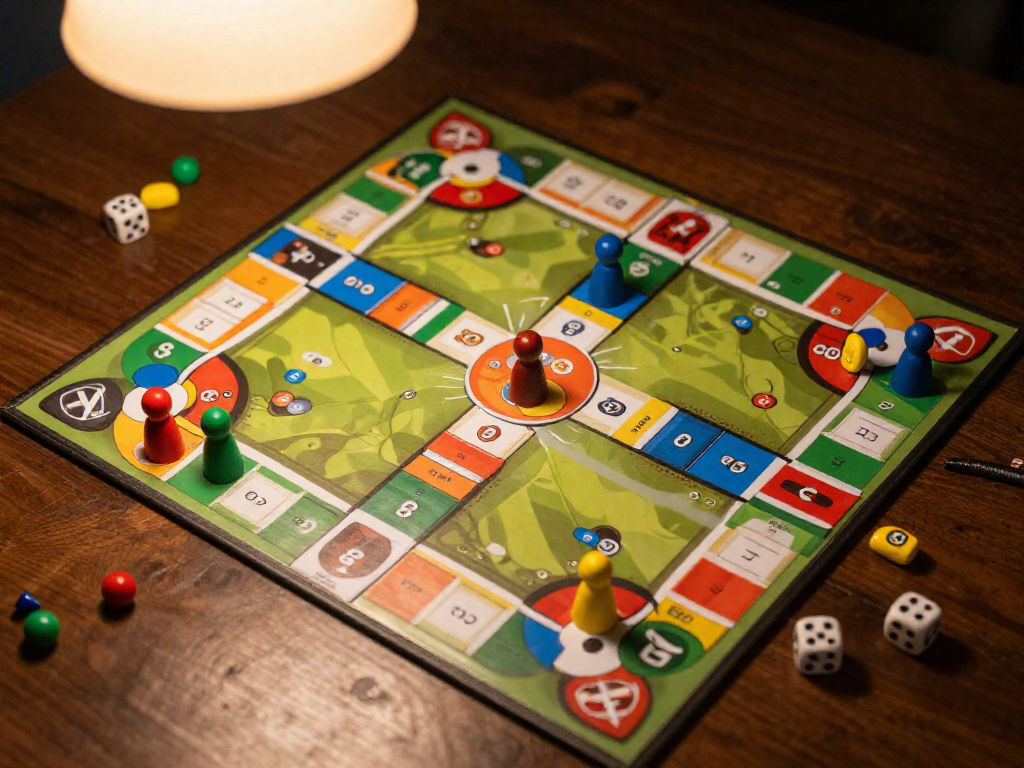
How Does Scoring Work in Board Games? Points Explained Simply
Confused about who wins and why? Learn how board game scoring works—victory points, race conditions, and tracking—in plain language for family game night.
Jun 27, 2026 · 9 min read

What Does 'Eurogame' Mean? Hobby Jargon Demystified
What is a eurogame? A plain-language guide to the eurogame style, how it differs from other board game families, and easy titles to try at home.
Jun 27, 2026 · 6 min read
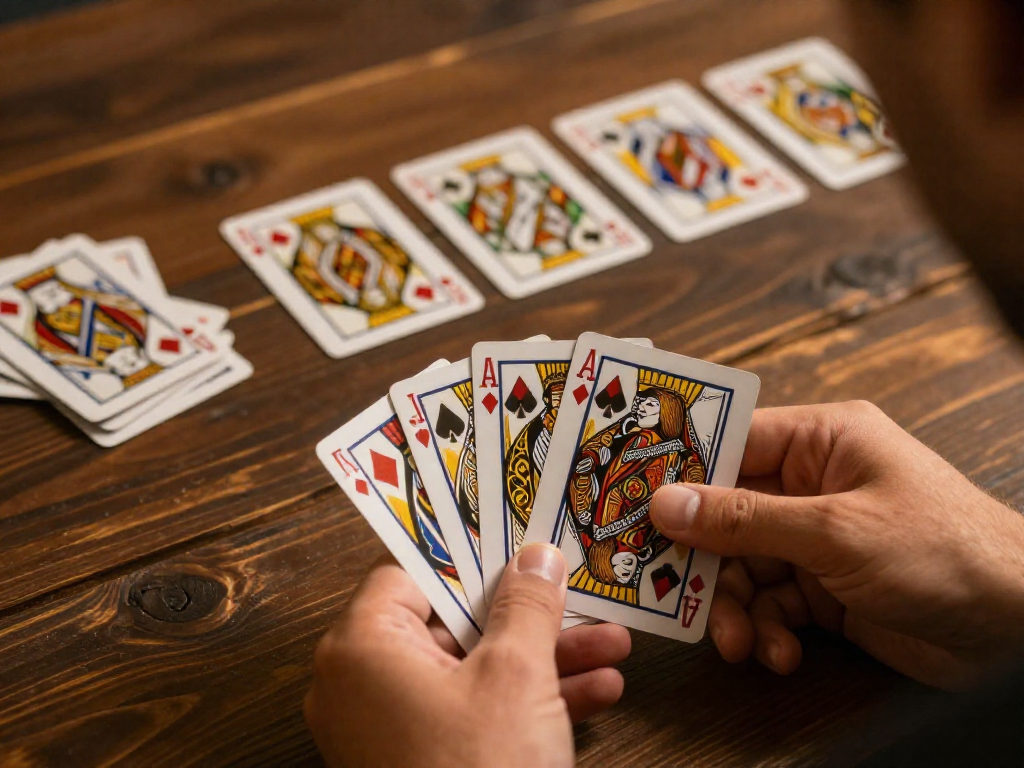
Deck-Building Explained: How These Games Actually Work
New to deck-building games? Learn what they are, how the core mechanic works, and which beginner-friendly titles to try first—explained in plain language.
Jun 27, 2026 · 10 min read