How to Host a Game Night Party for 8 or More Guests
How do you host a board game party for a large group?
On this page
Why Hosting 8+ Guests Is Different (and How to Plan for It)
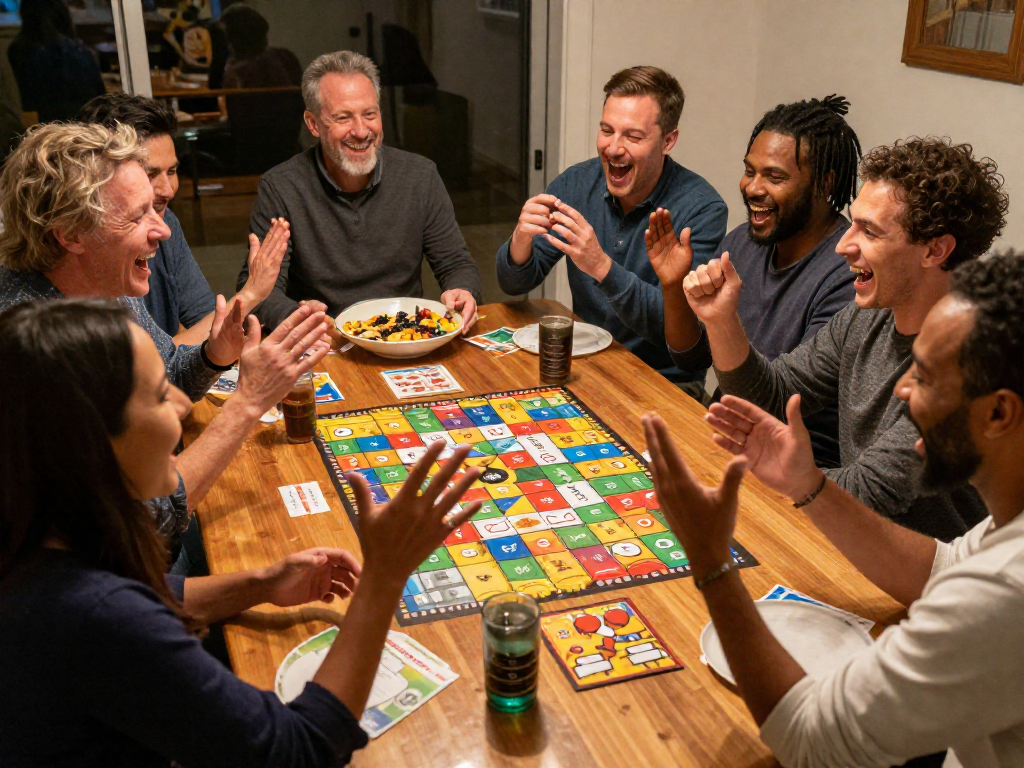
Here's the truth most game-night guides skip: the moment your guest list passes six people, the challenge stops being "which game?" and becomes "how do I keep everyone playing?" Most board games—even crowd favorites—cap out at four to six players. So your real job as host isn't picking one perfect game. It's managing groups.
Drop the "one big table" myth. Picture eight people crowded around a single board, with four of them watching others take turns. That's how a fun night turns into a long one. A single game rarely holds a group past six without someone checking their phone.
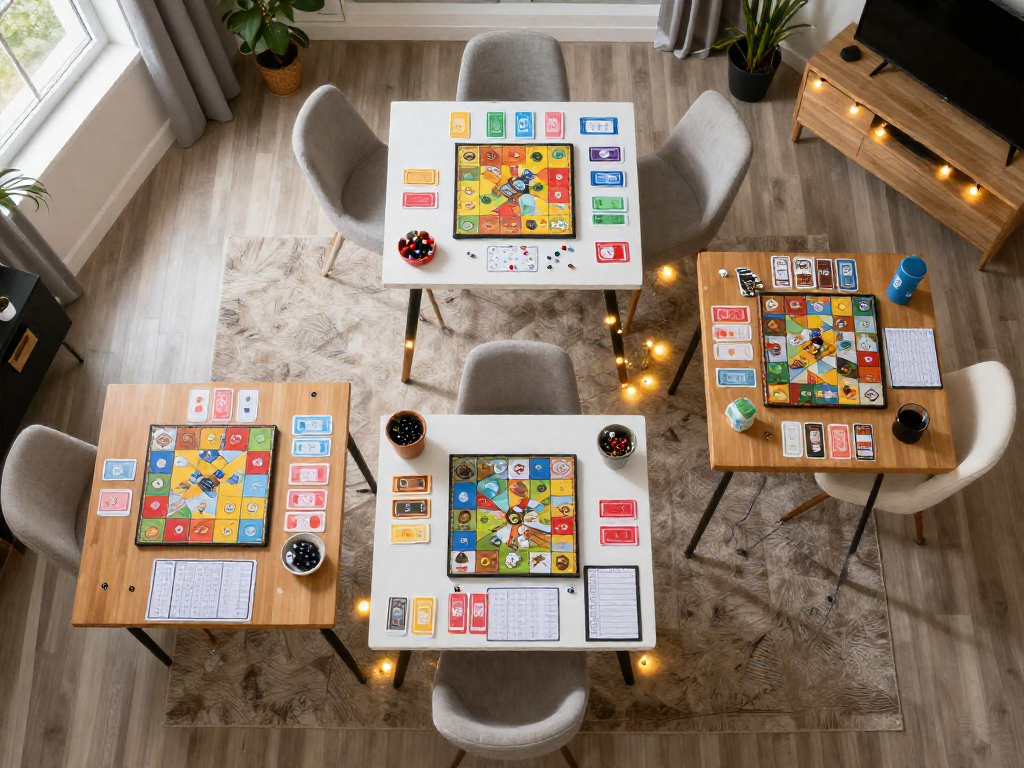
Plan around "play pods" instead. A play pod is just a small group of four to six people playing their own game at their own table. Two pods of four beat one table of eight every time—everyone stays involved, and you can match each pod to a game that fits them.
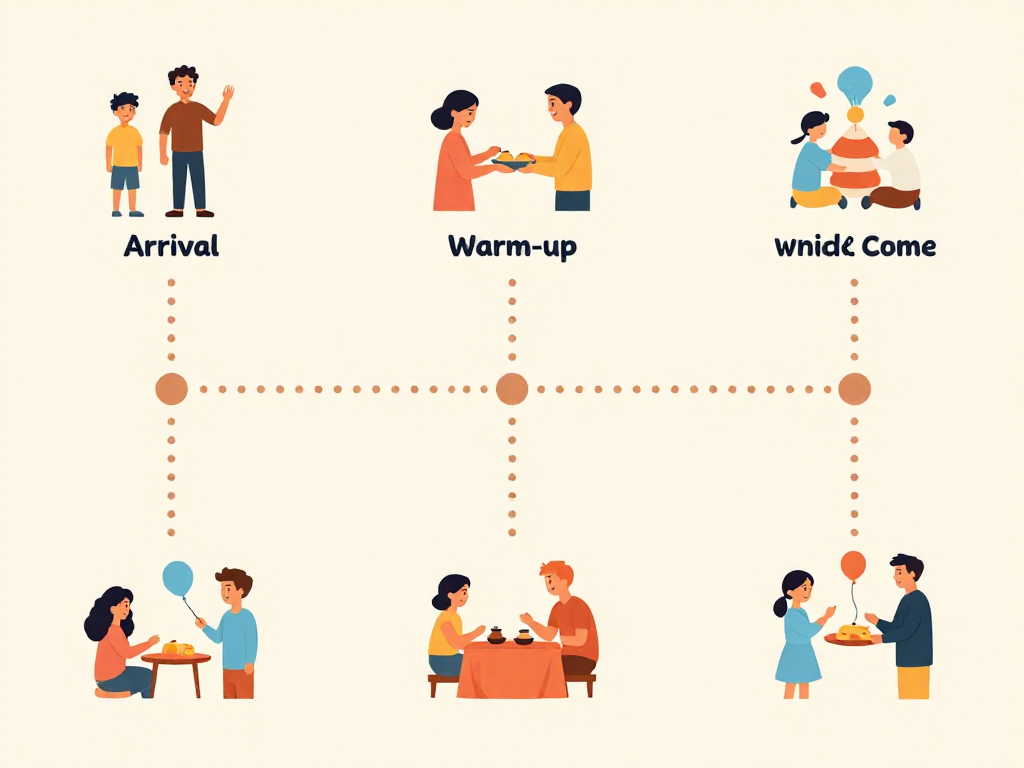
Set a loose timeline, not a rigid schedule. A simple flow keeps the night moving:
- Arrival buffer (20–30 min): drinks, mingling, no rules yet
- Warm-up: one quick, easy game to break the ice
- Main games: pods settle into longer picks
- Snack break: reshuffle who's playing what
- Wind-down: one relaxed game as people trickle out
Confirm headcount early. Knowing whether you'll have 8 or 12 guests tells you how many pods, tables, and chairs you need—and which games to pull off the shelf before anyone arrives.
Choosing the Right Games for a Big Group
The biggest mistake hosts make with 8+ guests is picking a game built for four and asking everyone else to watch. With a crowd, you want games that either include everyone at once or split cleanly into smaller groups called pods (a "pod" is just a separate table running its own game).
Party games that hold the whole room
These are loud, fast, and forgiving—nobody needs to read a rulebook.
- Codenames — Two teams race to find their agents using one-word clues. Players: 4–8+ • Ages: 10+ • Time: 15 min/round • Difficulty: easy. Pros: scales to big teams, quick rounds. Cons: the clue-givers do the heavy lifting. Who it's for: mixed groups who like a little brain-tickle without pressure.
- Telestrations — A "telephone game" with drawing; you alternate sketching and guessing down the line. Players: 4–8 (get two copies for 12+) • Ages: 12+ • Time: 30 min • Difficulty: very easy. Pros: hilarious, zero strategy. Cons: needs people comfortable doodling badly.
- Just One — The group gives one-word clues to help a guesser, but matching clues cancel out. Players: 3–7 • Ages: 8+ • Time: 20 min • Difficulty: very easy. Pros: cooperative and warm. Cons: caps at 7, so run it in a pod.
- Wavelength — Teams guess where an opinion lands on a spectrum. Players: 4–10+ • Ages: 14+ • Time: 30 min • Difficulty: easy. Great for adult game nights; some prompts skew grown-up, so screen it before kids join.
Hidden-role and team games that love a crowd
These actually get better with more people. In a hidden-role game, some players secretly work against the group.
- The Resistance — Spies sabotage missions while everyone debates who to trust. Players: 5–10 • Ages: 13+ • Time: 30 min • Difficulty: easy. Pros: no player elimination, pure social fun. Cons: quiet folks may fade. Who it's for: talkative groups who enjoy friendly accusations.
- Werewolf is similar but does eliminate players each round—fun, but it can leave kids sitting out.
Run parallel pods
When the count climbs past 8, split into two or three tables by energy: a loud table on Telestrations, a calmer one on a card game like a quick trick-taking deck. Rotate after 30 minutes so nobody's stuck.
Keep a 5-minute gateway backup
Have one gateway game (an easy "starter" title) you can teach in five minutes—Sushi Go! (2–5, ages 8+, 15 min) is perfect when a pod finishes early and needs a filler.
Setting Up the Space: Tables, Seating, and Flow
With eight or more guests, the room itself becomes part of the plan. The goal is simple: let several groups play at once without bumping elbows or shouting over each other.
Build separate play zones. Instead of cramming everyone around one table, set up two or three "pods"—a pod is just a dedicated surface for one game and its players. A dining table, a coffee table, and a card table can each host a different group. This lets a quick card game run alongside a longer board game without one slowing the other down.
Do the seating math early. Count your chairs the day before, not the hour guests arrive. A useful rule of thumb: one comfortable seat per guest, plus one or two spares for latecomers or people who switch games. If you're short, borrow folding chairs from a neighbor or rent a few—it's cheaper and easier than asking adults to sit on the floor for two hours.
Give each pod room to breathe. Every table needs good lighting so players can read cards and boards clearly, plus enough elbow room to reach the center without leaning across someone. If two loud, energetic games sit side by side, the noise can drown out a quieter group—spread them out or put the rowdiest game farthest from the calm one.
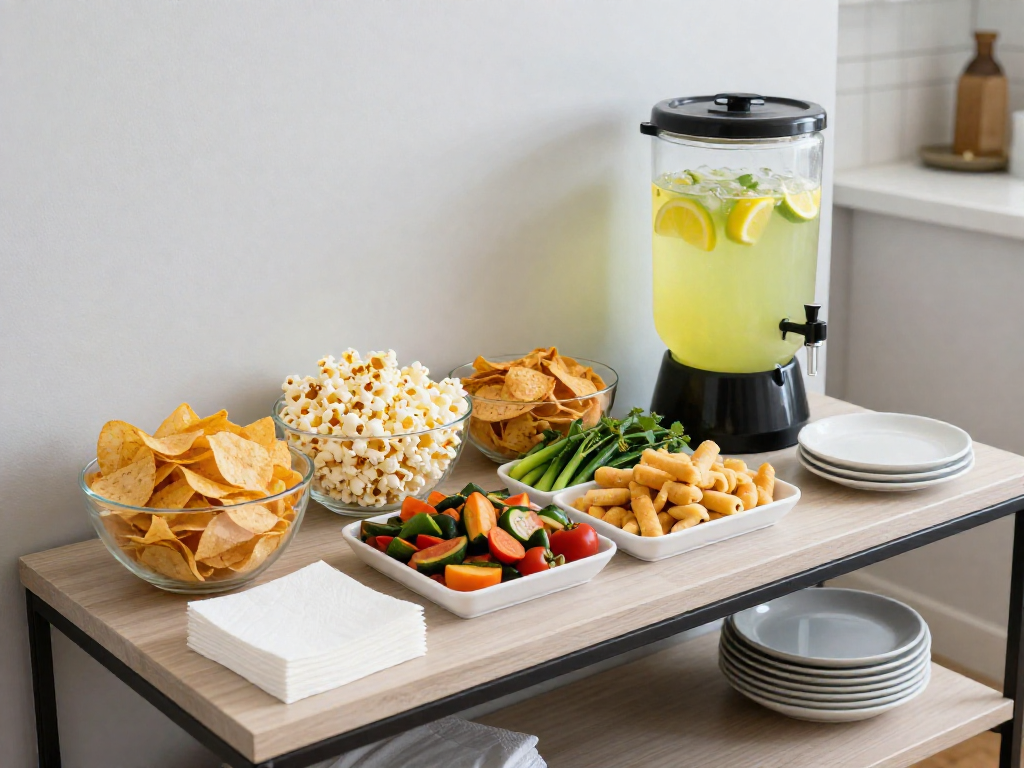
Keep food and drinks off the game tables. Set up a separate snacks-and-drinks station across the room. Spilled soda can ruin cards, boards, and wooden pieces (the small parts a game comes with), so a dedicated zone protects your components and gives people a reason to get up and mingle.
Leave clear walkways. Arrange tables so guests can move between games, refill a plate, or peek at another group without squeezing past chairs. Easy traffic flow keeps the whole night relaxed.
Food and Drinks That Won't Wreck Your Game Components
Greasy fingers and a tipped-over soda are the fastest way to ruin a deck of cards or warp a game board. A few simple choices keep snacks from sabotaging game night.
Pick dry, low-mess finger foods. Skip anything oily, buttery, or sticky—those leave residue that smudges cards and gunks up small pieces (called components: the cards, tokens, dice, and boards that come with a game). Good crowd-pleasers:
- Pretzels and plain popcorn
- Veggie cups with the dip on the side
- Cheese cubes, grapes, or crackers on toothpicks
- Wrapped candies instead of melty chocolate
Keep the food off the play table. Set up a separate buffet or snack table a few steps away. People grab a plate, eat, wipe up, and then return to the game. This one move prevents most spills.
Make drinks spill-proof. Use cups with lids or straws, or designate a "no-game zone" counter where all drinks live. Water bottles and travel mugs are your friends with a big group.
Plan ahead for a crowd. With eight or more guests, make it a potluck—ask each guest to bring one dry snack. Prep-ahead options like trail mix bowls or a fruit tray save you from cooking while hosting.
Stock napkins and wipes at every table. Keep a small stack and a pack of unscented wipes within reach so sticky hands get cleaned before they touch the components.
Running the Night: Teaching Rules and Keeping Everyone Engaged
With eight or more people in the room, the host's real job isn't playing—it's keeping the energy up and making sure nobody ends up stranded on the couch. Here's a simple playbook for the live event.
Teach by showing, not reading
Skip the manual. The fastest way to teach a game is to set up the board, explain the goal in one sentence ("be the first to collect four matching cards"), then play a practice round out loud where everyone can take back moves. People learn the rules by doing them. Save edge cases for when they actually come up.
Hand off the explaining: assign a game captain
You can't be at every table. For each "pod" (a small group playing one game), pick one confident person to be the game captain—the go-to who already knows the rules, teaches them, and keeps the pace moving. If a guest learned a game last time, recruit them early. This frees you to float, refill drinks, and troubleshoot.
Keep things fresh
Energy fades when people sit too long. A few habits help:
- Rotate every 30–45 minutes. Call a soft "switch when you finish this round" so no one feels rushed mid-game.
- Have a landing spot for latecomers and sit-outs. Keep one quick, drop-in game on a side table—something like a party word game that handles flexible player counts—so nobody waits around awkwardly. Anyone taking a breather can rejoin there.
- Read the room. If a table goes quiet or people start checking phones, the game isn't landing. Swap it for something lighter and louder. There's no prize for finishing a game nobody's enjoying.
A note for families
If kids are in the mix, pair them with a patient game captain and lean on cooperative or team games so younger players aren't singled out for losing. Keep one shorter, simpler game ready for when their attention runs out—usually well before the adults' does.
A Sample Game Night Timeline for 8+ Guests
Not sure how to pace the evening? Copy this timeline and adjust the clock to fit your start time. The trick with a big group is splitting into pods (small groups of 3–5 people who play one game at a separate table) early on, then pulling everyone back together for the main event.
- 6:30 — Arrival & icebreaker. Pour drinks and start a quick, low-stakes icebreaker game while stragglers trickle in. No one has to commit yet.
- 7:00 — First round of pod games. Break into 2–3 pods so smaller, shorter games can run side by side. Nobody waits around for a turn.
- 7:45 — Snack break & game swap. Refill plates, then shuffle the pods so guests meet new people and try a different game.
- 8:15 — Big-group party game. Bring everyone to one space for a single game that scales to 8+ players. This is the energy peak of the night.
- 9:00 — Wind-down. Close with a light, easy card game so people can drift out whenever they're ready.
Who this is for: hosts who want a no-stress structure without policing the clock—treat the times as gentle nudges, not rules.
Host Checklist and Quick Tips
Bookmark this section—it's your one-glance cheat sheet for the night.
Pre-party checklist
- Games picked and sorted by player count (more on that below)
- Enough chairs and table space for everyone to reach components
- Snacks and drinks set away from the play area
- A confirmed headcount so no one gets left out of a game
Day before vs. day of
- Day before: Punch out and sort game pieces, charge speakers, set up tables, and do a quick rules refresher on anything new.
- Day of: Lay out snacks, fill drink stations, and stack a few "backup" games near the table.
Quick fixes for common hiccups
- Odd number of players? Keep a few games that work for any count handy.
- Group splitting up? Run two shorter games at once.
- Someone bored? Swap to a livelier party game.
Cleanup made easy
- Hand each guest one task (sort cards, wipe the table, bag trash).
- Use small bowls or zip bags to keep tiny pieces from going missing.
FAQ
What board games are best for 8 or more players?
For groups of 8+, pick "party games"—light, social games that handle big numbers and let people jump in easily. Great picks include Codenames (8+ players in two teams, ages 10+, ~15 min, easy), Telestrations (up to 12, ages 8+, ~30 min, easy and very family-friendly), Just One (up to 7 but easily teamed up, ages 8+, ~20 min, easy), and Wavelength (huge groups in two teams, ages 12+, ~30 min, easy). Pros: minimal rules, lots of laughs, no one waits long for a turn. Cons: they're casual rather than strategic, and a few (like some Wavelength prompts) lean toward teen and adult humor. Who this is for: hosts who want everyone laughing together rather than studying a rulebook. For mixed-age families, Telestrations and Codenames are the safest crowd-pleasers.
How many tables do I need for a game night party?
Plan for roughly one table per 4–5 guests, plus a little open space. For 8 guests, two card tables (or one large dining table split into two ends) usually works; for 12–16 guests, aim for three to four tables. Each table needs enough elbow room for a board, cards, snacks, and drinks without crowding. Keep at least one extra clear surface for food and for setting up the next game while one wraps up. If space is tight, lean on games that can be played standing or in a circle (like Telestrations or charades) so you don't need a seat for everyone at once.
How do you keep a large group entertained at a game night?
The key is avoiding downtime. Split guests into smaller groups (called "pods") of 4–6 so everyone is actively playing instead of watching. Start with one easy icebreaker game that the whole group can play together, then break into pods for the main games. Have a short list of 3–4 games ready per pod so a finished game rolls straight into the next without a lull. Mix game types—one fast party game, one team game, one slightly longer game—so people with different tastes all get a turn at something they enjoy. Finally, name one "explainer" per pod (someone who already knows the rules) so each group can start quickly without waiting on you.
What food should I serve at a board game party?
Serve finger foods that stay off players' fingers—greasy or sticky snacks ruin cards and boards. Good choices: pretzels, popcorn, veggie cups, cheese cubes, sliders or wraps, and individually wrapped treats. Use small plates or napkins, and keep drinks in spill-resistant cups with lids if you can. Set up a separate snack table away from the game tables so spills and crumbs don't land on components. For families, include a few kid-friendly, low-mess options like grapes, crackers, and juice boxes. Aim for grazing-style food guests can grab between turns rather than a sit-down meal that interrupts play.
How long should a game night party last?
Three to four hours is the sweet spot for most groups. That's enough time for arrivals and snacks (about 30 minutes), one warm-up game, two to three rounds of pod games, and a relaxed wind-down. If kids are involved, lean toward the shorter end—around 2.5 to 3 hours—and put the liveliest games early before younger players tire out. End while energy is still high rather than letting the night drag; a good rule is to plan one final "big finish" game and wrap up after it. Always tell guests a rough end time on the invite so everyone plans accordingly.
How do you split a big group into game pods?
A "pod" is just a small group of players (usually 4–6) playing one game together. To split a large group, first decide how many pods you need—divide your guest count by 4 or 5. Then group people by what game they want rather than at random: set out two or three game options and let guests gather at the table for the one that appeals to them. Try to balance experience levels so each pod has at least one person who knows the rules. Keep pods flexible—mix people up between rounds so guests meet new players and don't get stuck in one clique all night. For families, keep younger kids in a pod with a game matched to their age so no one feels lost or left out.
See also
- Best party board games for large groups
- Easy board games to teach beginners
- Family game night ideas for weeknights
- Best icebreaker games for parties
- Snacks and food ideas for game night
Related articles
Outdoor and Backyard Game Night Ideas for Warm Evenings
Plan the perfect outdoor game night with family-friendly backyard games, lighting and snack ideas, and tips for playing tabletop games outside on warm evenings.
Jun 27, 2026 · 7 min read
Game Night on a Budget: Big Fun Without Spending Much
Host a fun family game night without overspending. Get free and cheap game ideas, DIY snacks, and simple setups everyone will love.
Jun 27, 2026 · 9 min read

How to Handle a Sore Loser at Family Game Night
Tears, tantrums, and table-flipping? Here's how to defuse poor sportsmanship and teach kids (and adults) to lose gracefully at family game night.
Jun 27, 2026 · 9 min read