Date Night Games: A Romantic Two-Player Game Night Plan
How do couples plan a fun two-player game night at home?
On this page
Why a Two-Player Game Night Makes a Great Date
Skip the dinner reservation and the babysitter scramble. A two-player game night costs next to nothing, happens on your own couch, and starts whenever you're ready—no waiting for a table.
The real magic is what happens across the coffee table. Instead of sitting side by side staring at a screen, you're actually facing each other—talking, laughing, and making eye contact over a shared activity. That built-in back-and-forth is what turns a regular evening into a date.
It fits real life, too. It's perfect for introverts who'd rather skip a crowded bar, for parents who only get free time after bedtime, and for couples reconnecting after time apart.
Best of all, the stakes are low. This isn't a "serious hobby" night with rules to master or anyone to beat—the goal is simply to spend good time together. Winning is just a bonus.
The Simple Date-Night Game Plan (Step by Step)
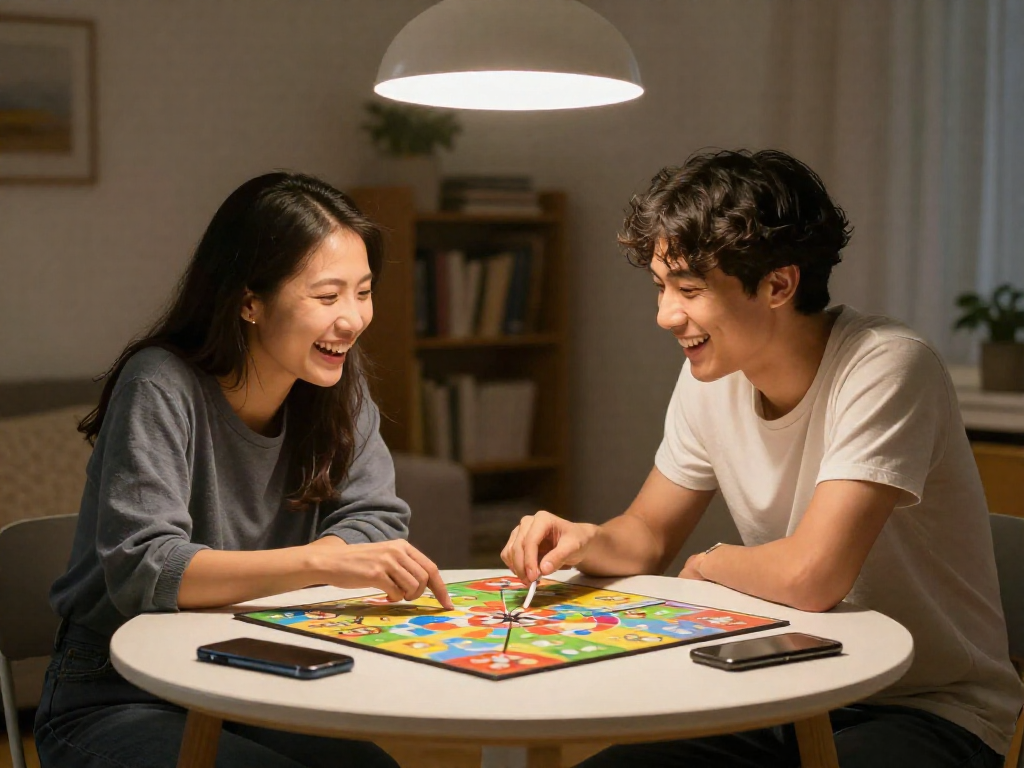
Planning a great two-player game night isn't complicated. Use this repeatable five-step framework and you'll be playing in minutes.
Step 1: Pick a vibe. Decide the mood before you decide the games. Are you after something cozy (slow, relaxing), competitive-but-flirty (a little trash talk, lots of laughs), or relaxed and chatty (a game that's really an excuse to talk)? The vibe makes every other choice easier.
Step 2: Choose 2–3 short games. Don't bet the whole night on one box. Pick a few quick titles—anything that plays in 15–30 minutes—so you can switch if one falls flat. A "filler" (hobby slang for a light, fast game) is perfect here because there's no pressure to finish.
Step 3: Set the scene. Dim the overhead lights, put on a low-volume playlist, and—this is the big one—put your phones in another room. A cleared table and a candle do more for date-night energy than any single game.
Step 4: Prep snacks and drinks first. Get the nibbles and glasses ready before you sit down, so nobody has to break the mood mid-game to raid the kitchen. Keep snacks dry and easy to grab—you'll be handling cards and pieces.
Step 5: Add a playful stakes twist. Low stakes keep it fun: the winner picks the next show, the loser does the dishes, or the champ gets control of the remote for the week. Skip anything that could spark a real argument—the goal is laughter, not a grudge.
A note on timing: aim for 60 to 90 minutes total. That's long enough to play a few rounds and settle into a rhythm, but short enough that you stop while you're still having fun rather than forcing "one more game."
Who this is for: any couple who wants an easy, low-prep evening at home—no gaming experience or strategy know-how required.
Best Two-Player Games for Date Night
The right game depends on your mood. Here are our hands-on picks, grouped by the kind of night you're after. Each note lists ideal players, age, play time, and difficulty (how hard it is to learn).
Cooperative (you team up against the game)
These reward talking, trusting, and winning together—great if competition stresses you out.
- Hanabi — 2 players, ages 10+, ~25 min, easy-medium. You build firework stacks, but you can't see your own cards, so you give each other careful hints. Who it's for: couples who love a gentle puzzle. Fully family-friendly.
- The Mind — 2 players, ages 8+, ~15 min, easy. Play numbered cards in order without speaking—you sync up almost telepathically. Who it's for: a quick, giggly icebreaker. Cons: feels thin if you want depth.
- Sky Team — exactly 2 players, ages 12+, ~15 min, medium. You co-pilot a plane landing. Who it's for: couples wanting a tense, cinematic round. Squeaky-clean for families too.
Cozy and quick
Low-pressure games you can finish over a glass of wine.
- Patchwork — 2 players, ages 8+, ~30 min, easy-medium. A relaxing quilt-building puzzle. Who it's for: anyone who likes Tetris-style fitting. Great with kids.
- Jaipur — 2 players, ages 10+, ~30 min, easy. Trade goods at a market; light and snappy. Cons: pure two-player only.
- Lost Cities — 2 players, ages 10+, ~30 min, easy. Push-your-luck card expeditions. Who it's for: a calm, classic head-to-head.
Flirty and competitive
A little edge keeps things spicy.
- Fog of Love — 2 players, ages 17+, ~60–120 min, medium. A romantic-comedy role-play where you act out a fictional relationship. Note: mature themes—not for kids. Who it's for: couples who enjoy storytelling.
- Targi — 2 players, ages 12+, ~60 min, medium-hard. Desert trading and strategy. Cons: more thinking, less chatting.
- 7 Wonders Duel — exactly 2 players, ages 10+, ~30 min, medium. Build a rival civilization. Who it's for: couples ready to level up.
Using what you already own
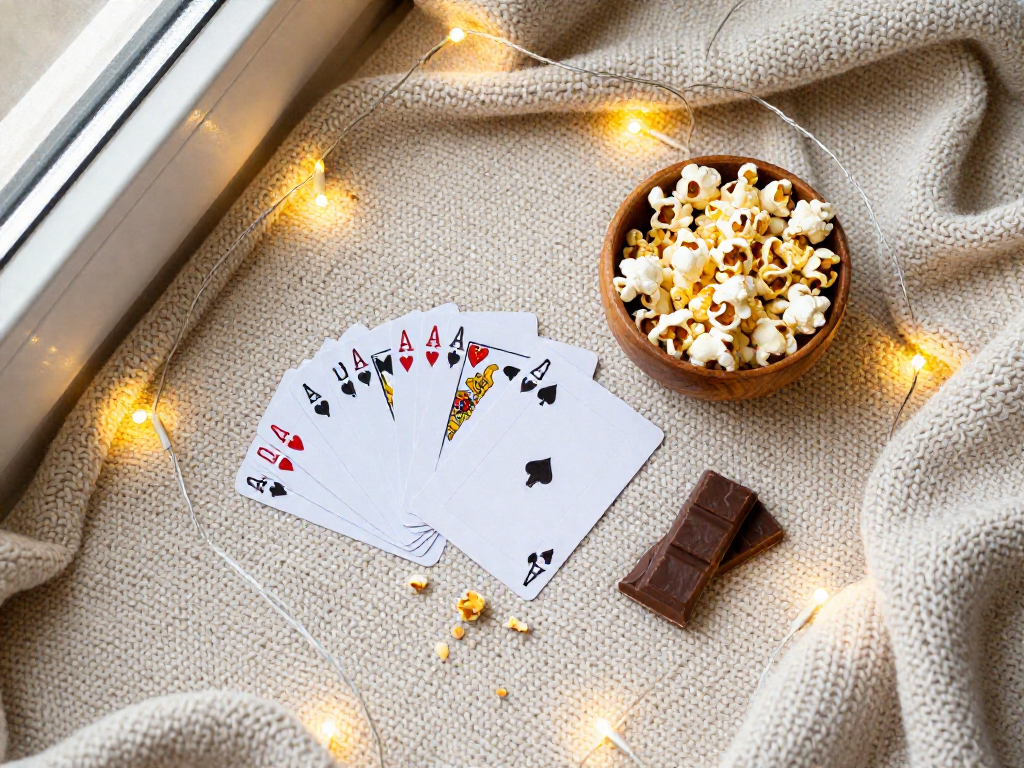
No new purchase needed—grab a standard deck.
- Gin Rummy — 2 players, all ages, ~20 min, easy. Collect matching sets.
- Cribbage — 2 players, ages 10+, ~30 min, medium (a peg board helps). A timeless date-night staple.
Setting the Mood: Ambiance, Snacks & Drinks
A two-player game night becomes a date when the room feels intentional. A few small touches turn your kitchen table into something that feels a little special.
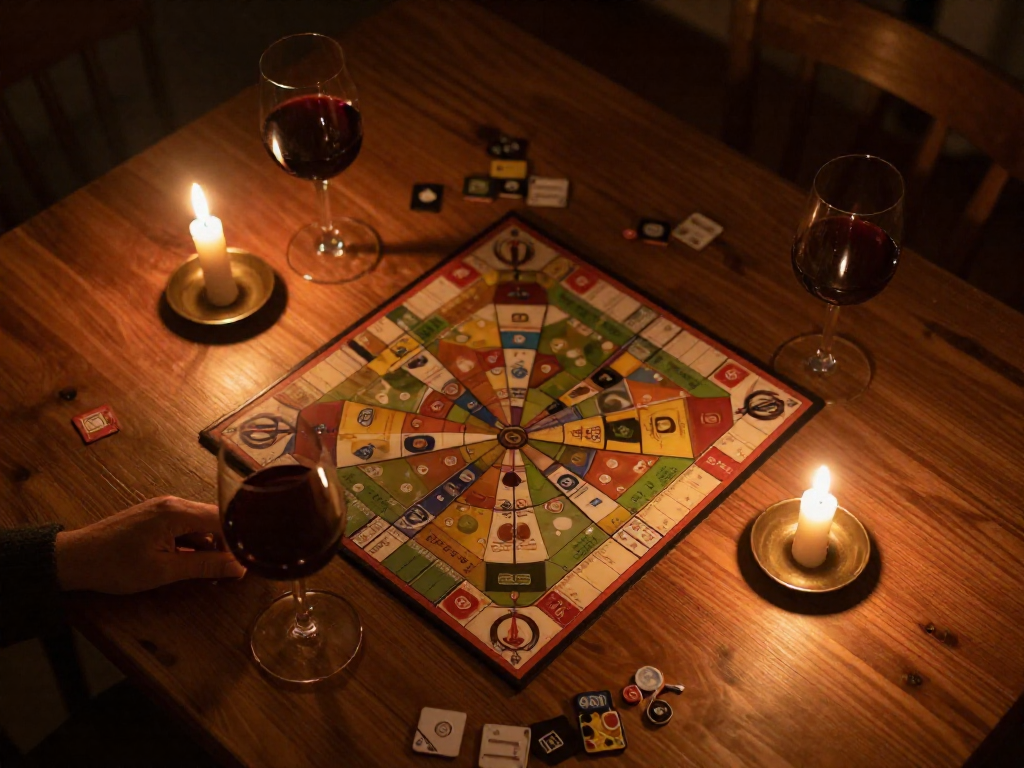
Lighting. Skip the bright overhead lights. Dim them if you can, or switch to string lights or a couple of candles. Soft, warm light makes everything feel cozier and less like homework night.
Music. Queue a low background playlist—jazz, acoustic, or whatever you both like—kept quiet enough to talk over. It fills the silence between turns without becoming the main event.
Snacks. Choose easy grazing food that won't ruin your cards or board. Think grapes, cheese cubes, popcorn in a bowl, or chocolate. Skip greasy chips and anything that leaves fingerprints, since smudged cards are hard to clean and easy to mark.
Drinks. Match the vibe: a shared bottle of wine, a fun mocktail you mix together, or hot cocoa for a chilly, stay-in night.
Protect the mood. Clear the table first so you have room to play, and silence both phones. Removing distractions is the single easiest way to keep the focus on each other and the game.
Themed Date-Night Ideas to Try
Want to keep date night fresh? Build the evening around a theme. Here are four easy ones to steal:
-
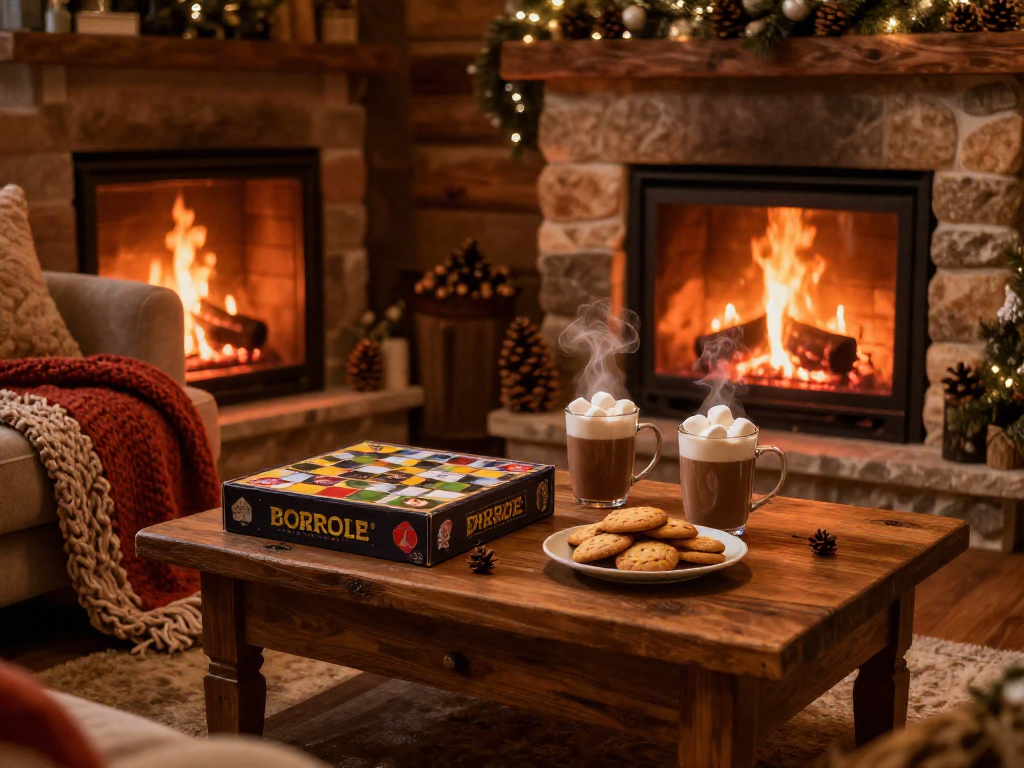
Cozy Night In: Save this for a chilly fall or winter evening. Brew two mugs of cocoa, grab a blanket, and pick a co-op game—a game where you both work together against the game instead of competing. It feels warm and low-pressure.
-
Passport Night: Choose a country you'd love to visit, then cook or order snacks from there. Pair it with a game set in or themed around travel for instant escape-from-the-couch vibes.
-
Mini-Tournament: Line up two or three quick games (15 minutes each works well) and keep score across all of them. Award the winner a goofy dollar-store trophy. Loser does dishes.
-
Memory Lane: Perfect for an anniversary or Valentine's Day—play a memory- or storytelling-themed game and swap favorite moments from your relationship as you go.
Snap a photo of your setup—these themes are made for sharing.
Common Mistakes to Avoid
Even a great game pick can fall flat. Here's what trips couples up most—and how to fix it fast.
- Choosing something too long or rules-heavy. A 90-minute brain-burner kills a relaxed mood. Aim for games under 30–45 minutes that you can learn in five.
- Getting too competitive. Trash talk is fun until it isn't. If you feel the edge creeping in, switch to a cooperative game (one where you both play as a team against the game itself).
- Skipping the setup. Without dimmed lights, a snack, or a drink, it just feels like another Tuesday. A two-minute ambiance ritual signals that tonight is different.
- Picking a game built for 3+ players. Many family games drag or break with only two. Check the box for a true two-player count, or look for a dedicated two-player mode.
Match the game to the mood, keep it light, and the night usually takes care of itself.
FAQ
What are the best two-player games for couples who are new to board games?
Start with games that are quick to learn and built for two. A few easy favorites: Patchwork, a relaxed tile-laying game where you build a quilt (2 players, ages 8+, ~30 minutes, easy); Jaipur, a fast card game about trading goods in a market (2 players, ages 10+, ~30 minutes, easy-to-medium); and Hive, a chess-like bug game with no board and no reading required (2 players, ages 9+, ~20 minutes, easy to learn, medium to master). All three are family-friendly with no mature content. Who these are for: couples who want something cozy and rules-light that you can finish in one sitting and replay all night.
How long should a date-night game night last?
Plan for about 1.5 to 2.5 hours total. That's enough time for two or three shorter games (roughly 20–40 minutes each) plus breaks to talk, refill drinks, and switch games. Pick games with a play time that fits the mood: short fillers (under 20 minutes) when you want variety, or one medium game (45–60 minutes) when you want to settle in. End while you're still having fun rather than pushing through one game too many—stopping on a high note keeps it feeling like a date, not a marathon.
What games can we play with just a standard deck of cards?
A single 52-card deck covers a whole evening for two. Try Gin Rummy (2 players, ages 8+, ~30 minutes, easy), where you collect matching sets and runs; Cribbage (2 players, ages 10+, ~30 minutes, medium, and you'll want the small pegboard); or Speed/Spit, a fast, hands-on race to empty your hand (2 players, ages 8+, ~10 minutes, easy). For a slower, conversational pace, War and Egyptian Rat Screw work too. All are family-friendly. Who these are for: couples who want a near-zero-cost option or are traveling light—no extra components needed.
How do we keep game night romantic instead of competitive?
Lean toward cooperative games, where you both play on the same team against the game instead of each other. Good picks: The Mind, a wordless game about playing cards in order together (2+ players, ages 8+, ~20 minutes, easy), or a two-player cooperative like Hanabi (a fireworks game where you can't see your own cards). If you prefer head-to-head games, keep stakes low: play best-of-three for a small prize like 'winner picks the movie,' narrate your moves out loud, and celebrate clever plays on both sides. The goal is shared laughs, not a leaderboard.
What snacks work best when playing card and board games?
Choose snacks that won't leave greasy or sticky residue on cards and components—oily fingerprints and crumbs can ruin a deck. Best options: dry, low-grease finger foods like pretzels, popcorn in a bowl, grapes, cheese cubes with toothpicks, and chocolate that stays solid (avoid melty candies near cards). Keep drinks in spill-resistant cups and set them away from the play area. Use a small side plate and napkins so hands stay clean between turns. Save the messy, saucy snacks for a break between games rather than mid-play.
See also
- Best Two-Player Board Games for Beginners
- Easy Snacks for Family Game Night
- How to Host a Stress-Free Game Night
- Cooperative Board Games Explained
- Quick Card Games You Already Know How to Play
Related articles
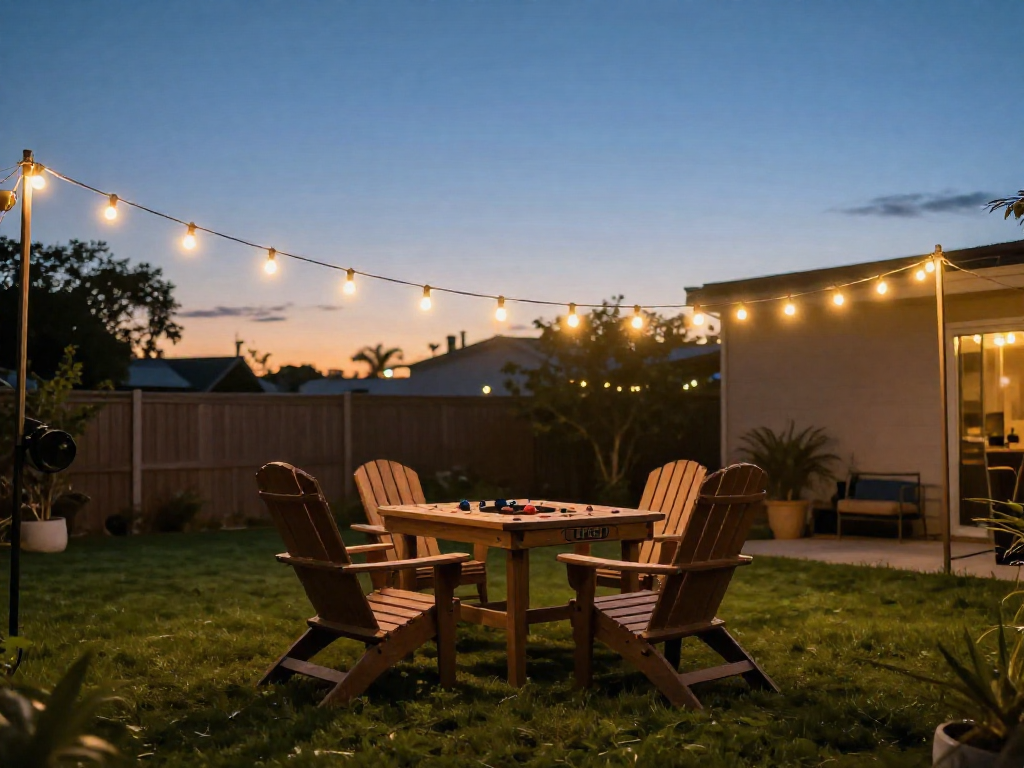
Outdoor and Backyard Game Night Ideas for Warm Evenings
Plan the perfect outdoor game night with family-friendly backyard games, lighting and snack ideas, and tips for playing tabletop games outside on warm evenings.
Jun 27, 2026 · 7 min read
Game Night on a Budget: Big Fun Without Spending Much
Host a fun family game night without overspending. Get free and cheap game ideas, DIY snacks, and simple setups everyone will love.
Jun 27, 2026 · 9 min read

How to Handle a Sore Loser at Family Game Night
Tears, tantrums, and table-flipping? Here's how to defuse poor sportsmanship and teach kids (and adults) to lose gracefully at family game night.
Jun 27, 2026 · 9 min read