The Best Board Games to Gift Kids This Holiday Season
What board games make the best gifts for kids?
On this page

Open by naming the real holiday-gifting pain: you want a game that lights up the kid's face on Christmas morning AND survives more than one play. Promise a curated, age-sorted list with budget notes and zero strategy jargon, so a non-gamer parent or relative can buy with confidence in five minutes.
How We Picked These Games (Quick Buyer's Checklist)
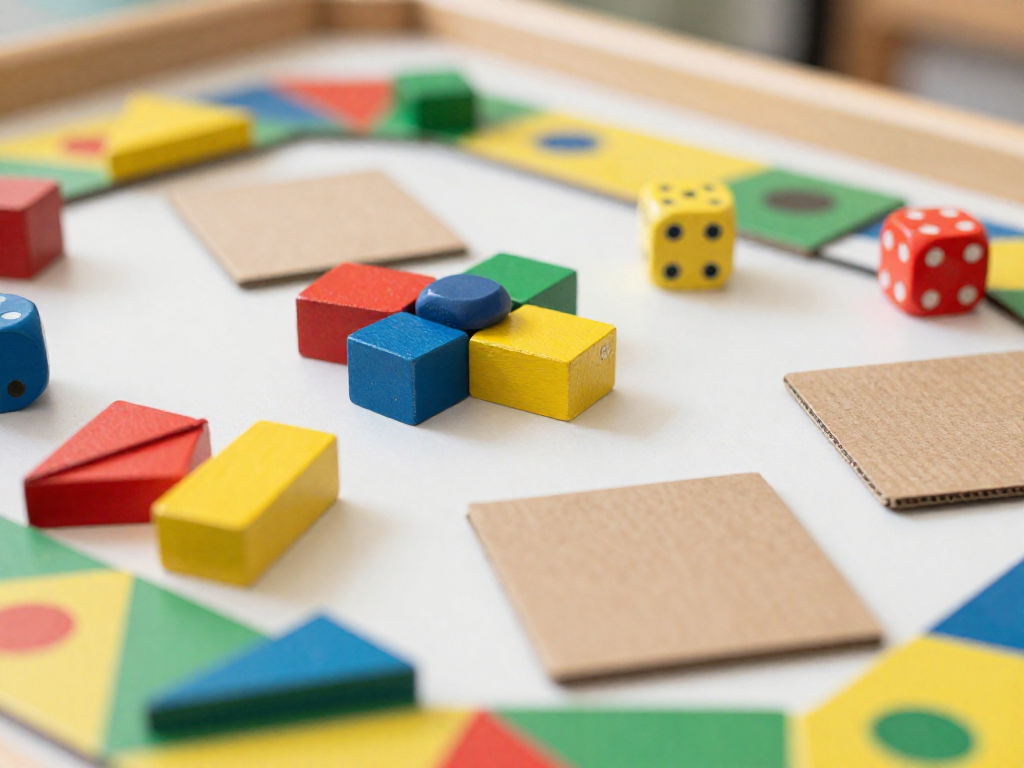
We've played every game on this list with real kids at real kitchen tables—sticky hands and all. Before a game earned a spot, it had to clear five quick tests. Use the same checklist to judge any game on the shelf this season:
- Easy to learn. You should grasp the rules in one read—no 20-minute setup before the fun starts.
- Right-sized play time. We favor 15–30 minutes, which fits most kids' attention spans before the wiggles win.
- Replayability. A great gift gets pulled out again and again, not shelved after one night. Variety in setup, cards, or paths keeps it fresh.
- Honest age fit. Box age labels can run conservative or optimistic. We tell you the real sweet spot based on hands-on play.
- Kid-proof components. Thick cardboard, chunky pieces, and a sturdy box that survives snack time and the back seat on road trips.
Every recommendation below lists ideal player count, age range, play time, and difficulty up front—plus a plain "who this is for" verdict so you can shop fast and gift with confidence.
Best Board Games for Ages 3–5 (Preschool & Pre-Readers)

At this age, the best games skip reading entirely and lean on colors, shapes, and simple turn-taking. We also love cooperative games—games where everyone plays as a team against the board instead of against each other—because nobody "loses," which means far fewer meltdowns at the table. Here are our top picks.
Hoot Owl Hoot! — under $20
A gentle cooperative game where players move owls back to their nest before the sun comes up.
- Players: 2–4 | Ages: 4+ | Play time: ~15 min | Difficulty: Very easy
- Why it's great: Teaches color matching and teamwork without anyone getting knocked out.
- Pros: Truly cooperative; quick; adjustable difficulty. Cons: Older kids may outgrow it fast.
- Who it's for: Families wanting a low-stress first cooperative game.
The Sneaky, Snacky Squirrel Game — under $20
Use a squirrel-shaped squeezer to grab colored acorns and fill your log.
- Players: 2–4 | Ages: 3+ | Play time: ~15 min | Difficulty: Very easy
- Why it's great: Builds color recognition and fine motor skills (those little fingers get a workout).
- Pros: Hands-on and tactile; great for the youngest players. Cons: Competitive, so expect a few sad faces. Small acorn pieces—watch toddlers under 3.
- Who it's for: Pre-readers who love a fun physical gadget.
Count Your Chickens! — under $20
A cooperative counting game where you herd chicks back to the coop together.
- Players: 2–4 | Ages: 3+ | Play time: ~15 min | Difficulty: Very easy
- Why it's great: Sneaks in early counting practice while the whole table cheers for the same goal.
- Pros: Cooperative; teaches numbers 1–5. Cons: Light on strategy for adults.
- Who it's for: Parents who want counting practice disguised as play.
Quick tip: For a first-ever game, start cooperative—shared wins make the whole night easier.
Best Board Games for Ages 6–8 (Early Readers)
This is the gifting sweet spot: kids can read a little, follow a few rules, and make their own choices without an adult steering every move. These four picks span animals, mystery, and building themes, and each is quick to teach so game night starts fast.
Outfoxed! (Animals + Mystery)
- Players: 2–4 | Ages: 5–10 | Play time: ~20 min | Difficulty: Easy
- A cooperative whodunit (everyone works together against the game, no single winner) where players roll dice to gather clues and figure out which fox stole the pie.
- Pros: Teaches deduction; no reading-heavy cards; teamwork avoids meltdowns.
- Cons: Replay can feel samey for older 8s.
- Adult needed? No—kids can run it solo after one round.
- Who it's for: New players who get frustrated losing. Budget: $ (under $25)
Ticket to Ride: First Journey (Building)
- Players: 2–4 | Ages: 6+ | Play time: ~15–30 min | Difficulty: Easy–Medium
- A simplified train-route game: collect matching cards, then claim routes to connect cities across a map.
- Pros: Light strategy that grows with the child; gorgeous board.
- Cons: Younger 6s may need a reminder on planning ahead.
- Adult needed? Optional for the first game only.
- Who it's for: Kids ready to think a turn ahead. Budget: $$ ($25–$40)
Animal Upon Animal (Building + Dexterity)
- Players: 2–4 | Ages: 4–8 | Play time: ~15 min | Difficulty: Easy
- Stack wooden animals into a wobbly tower without toppling it.
- Pros: Fast, giggly, great for mixed ages.
- Cons: Small pieces—keep away from toddlers.
- Adult needed? No. Who it's for: Quick filler fun. Budget: $ (under $25)
Clue: Junior (Mystery)
- Players: 2–6 | Ages: 5+ | Play time: ~30 min | Difficulty: Medium
- A kid-friendly mystery: track clues to find who ate the cake.
- Pros: Builds note-taking and logic.
- Cons: Setup and tracking sheets benefit from adult help.
- Adult needed? Yes, at least early on.
- Who it's for: Budding detectives. Budget: $$ ($25–$40)
All four are family-friendly with no scary or mature content.
Best Board Games for Ages 9–12 (Tweens)
Tweens are ready for games with real choices—where what you do on your turn actually changes the outcome. These four picks add a little more thinking without dragging on, and they're genuinely fun for the adults at the table too. Each plays in under an hour.
Ticket to Ride
You collect colored train cards to claim railway routes across a map and connect distant cities.
- Players: 2–5 | Age: 8+ | Time: 30–60 min | Difficulty: Easy-to-learn
- Budget: $$
- Pros: Simple rules, big "aha" moments, scales well for siblings.
- Cons: Can feel cutthroat when someone blocks your route.
- Who it's for: Families wanting a polished gateway game (an easy first "real" hobby game) that grows as kids get sharper.
Sushi Go Party!
A fast card-drafting game—you pick one card, then pass your hand to the next player—where you build the best plate of sushi.
- Players: 2–8 | Age: 8+ | Time: 20 min | Difficulty: Easy
- Budget: $
- Pros: Huge player count for parties, quick rounds, charming art.
- Cons: Light on long-term strategy.
- Who it's for: Big family gatherings and sibling groups.
Kingdomino
You draw domino-style tiles to build a kingdom, matching terrain to score points.
- Players: 2–4 | Age: 8+ | Time: 15–20 min | Difficulty: Easy-medium
- Pros: Quick, satisfying puzzle; teaches planning.
- Cons: Best at 3–4 players.
- Budget: $
- Who it's for: Tweens who like puzzles and tidy, visible progress.
Catan
Players gather and trade resources to build settlements and roads, racing to 10 points.
- Players: 3–4 | Age: 10+ | Time: 45–60 min | Difficulty: Medium
- Budget: $$$
- Pros: Negotiation and trading make every game different; grows with the kid for years.
- Cons: Needs 3+ players; one player can fall behind.
- Who it's for: Tweens ready for their first strategy game and parents who'll happily replay it.
Family note: All four are family-friendly with no objectionable content.
Best Picks by Budget (Stocking Stuffers to Splurges)
Shopping by price instead of age? Here are our hands-on favorites at every budget. ("Player count" means how many people can play at once; "play time" is how long one game usually lasts.)
Under $15 — Stocking-stuffer card games Our pick: Sleeping Queens. A fast, silly card game that pre-readers can play with a little help.
- Players: 2–5 · Ages: 6+ · Play time: ~20 min · Difficulty: Easy
- Pros: Tiny box, quick to learn, sparks giggles. Cons: Some light addition, so very young kids need a hand.
- Who it's for: Families wanting a no-pressure filler game. Totally family-friendly.
$15–30 — The gifting sweet spot Our pick: Ticket to Ride: First Journey. Players collect cards to claim train routes across a map—simple, satisfying, and great for mixed ages.
- Players: 2–4 · Ages: 6+ · Play time: ~20 min · Difficulty: Easy–Medium
- Pros: Beautiful board, easy rules, real strategy in disguise. Cons: Best with 3–4 players.
- Who it's for: Families ready for their first "real" board game. Kid-safe throughout.
$30+ — Splurge gifts that anchor a collection Our pick: Outfoxed!, a cooperative whodunit where everyone works together to catch the fox.
- Players: 2–4 · Ages: 5+ · Play time: ~20 min · Difficulty: Easy
- Pros: Teamwork (no sore losers), reusable mystery setup. Cons: Pricey for its short length.
- Who it's for: Kids who get upset losing. Fully family-friendly.
Best value overall: Ticket to Ride: First Journey—the most replay value per dollar, and it grows with your family.
Gifting Tips: How to Pick the Right Game for the Kid You Know
Not sure where to start? Use these shortcuts to pick a winner without knowing the hobby.
- Follow their interests, not just their age. A dinosaur-obsessed 7-year-old will light up over a dino-themed game even if a "smarter" pick sits unopened. Theme drives whether a kid actually wants to play.
- Adjust up or down from the box age. The age on the box is a reading-and-rules guideline, not a rule. Size up a year for a confident reader who likes a challenge; size down for a kid who gets frustrated easily or will play with a younger sibling.
- Choose cooperative for sensitive kids. In a cooperative game, everyone plays as a team against the game itself—no single loser. It's a gentler fit for kids who melt down over losing. Save head-to-head competitive games for those who enjoy a rivalry.
- Add a small extra for a bigger "wow." Pair the game with a $5–10 add-on—a card sleeve set, a fun dice bag, or themed snacks for game night—so the gift feels complete under the tree.
When in doubt, pick a cooperative game one notch below the box age—it's the safest crowd-pleaser.
See also
- Best cooperative board games for families
- Easy board games you can learn in 5 minutes
- Family game night ideas for beginners
- Best 2-player games for kids and parents
- Board game starter kit for new hobbyists
Related articles
Best Card Games Every Family Should Own
The essential card games every family should own—affordable, easy to learn, and fun for all ages. Plain-language picks for game night at home.
Jun 27, 2026 · 6 min read
Best First Board Games to Start a Family Collection
Building a family board game shelf? Here are the best first board games to buy, balanced for variety, easy rules, and fun game nights everyone enjoys.
Jun 27, 2026 · 7 min read

Best Party Board Games for Loud, Laughing Big Groups
The best party board games for large groups that scale to 6, 8, or 10+ players. Easy rules, big laughs, and game-night picks everyone can join.
Jun 27, 2026 · 7 min read