Best Card Games Every Family Should Own
What card games belong in every family's collection?
On this page
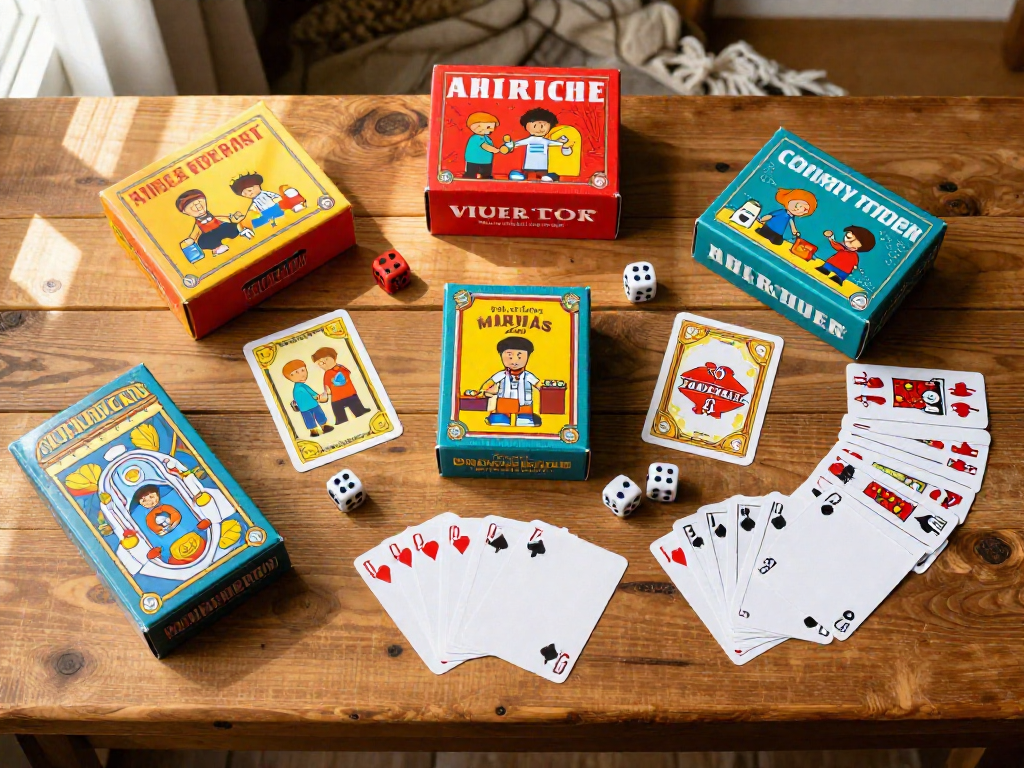
Why Card Games Belong in Every Family's Game Closet
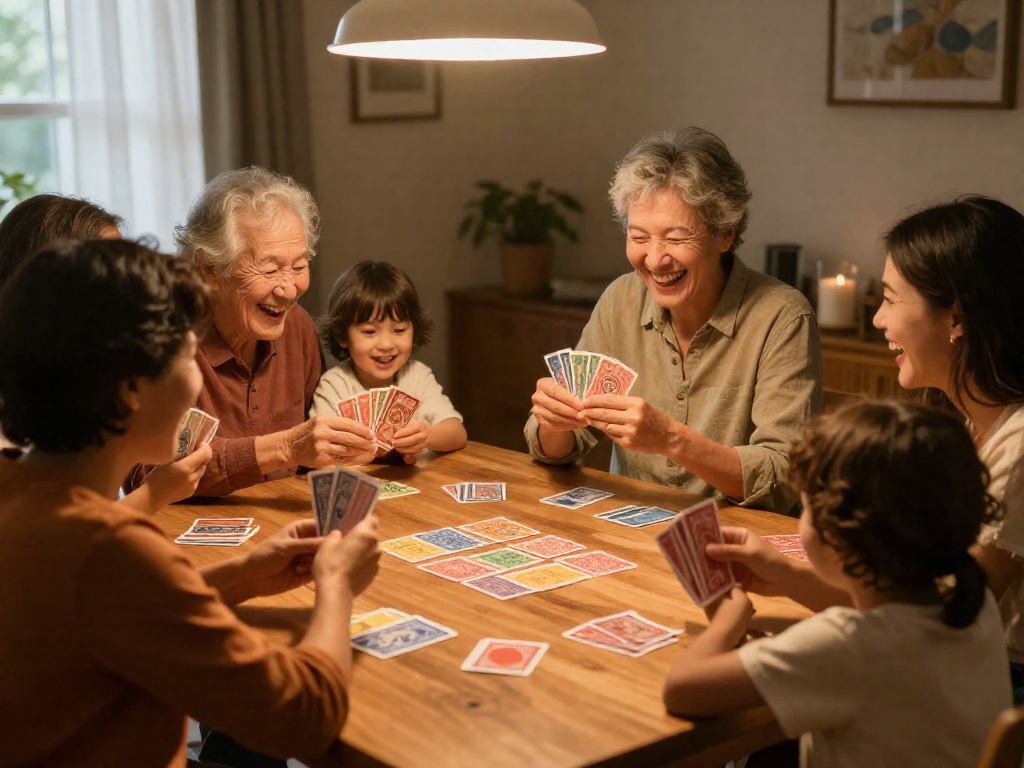
If you've ever stared at a towering shelf of board games and still ended up reaching for a deck of cards, you already know the secret: card games punch way above their weight.
For starters, they're cheap and tiny. Most cost less than a pizza and slip into a bag, a glove box, or a back pocket—no folding boards, no fiddly plastic pieces, no half-hour setup. You can be dealing the first hand within a minute of sitting down.
They're also easy to learn, which means a six-year-old, a teenager, and Grandma can all play the same game without anyone needing a strategy guide. That makes them perfect for the in-between moments: a restaurant wait, a rainy afternoon, or a short weeknight before bedtime.
Best of all, a good deck is tough. Treat it reasonably and it'll survive years of spills, shuffles, and enthusiastic kids—making card games some of the best value on any family's game shelf.
How We Picked These Family Card Games
We didn't just grab the most popular boxes off the shelf. Every game here earned its spot by passing four down-to-earth tests we use at our own kitchen table:
- Easy to learn. A kid should be able to grasp the rules in a few minutes, with no thick rulebook required.
- Flexible for your crew. Each pick works across a range of ages and player counts, so nobody gets left out on game night.
- Easy on the wallet. Most cost under $15, making them simple to add to your collection.
- Worth replaying. These games stay fun the tenth time, not just the first, so they keep earning their place in the closet.
If a game cleared all four, it made the list. If it stumbled on even one, we left it off—because a game that gathers dust isn't worth your money.
The Best Card Games Every Family Should Own
Here are the card games we reach for again and again. Each entry lists the ideal player count, age range, play time, and difficulty (how hard it is to learn and play), plus a quick "who this is for" verdict. Prices are rough US retail and shift with sales.
UNO
- Players: 2–10 | Ages: 7+ | Time: 10–20 min | Difficulty: Very easy | Price: ~$7
- Match colors and numbers, drop "skip" and "draw four" cards on each other, and shout "UNO!" when you're down to one card.
- Pros: Everyone already knows it; cheap; great icebreaker. Cons: Can spark mild arguments over house rules and stacking penalties.
- Who it's for: The default starter game for any mixed-age table.
Sleeping Queens
- Players: 2–5 | Ages: 6+ | Time: 15–20 min | Difficulty: Easy | Price: ~$11
- Wake sleeping queens using kings, and defend them from sneaky knights. Light addition (combining number cards) sneaks in real practice for early readers and math learners.
- Pros: Genuinely educational without feeling like homework; charming theme. Cons: Younger kids may need help reading card text the first few rounds.
- Who it's for: Families with kids around 6–9.
Sushi Go!
- Players: 2–5 | Ages: 8+ | Time: ~15 min | Difficulty: Easy | Price: ~$11
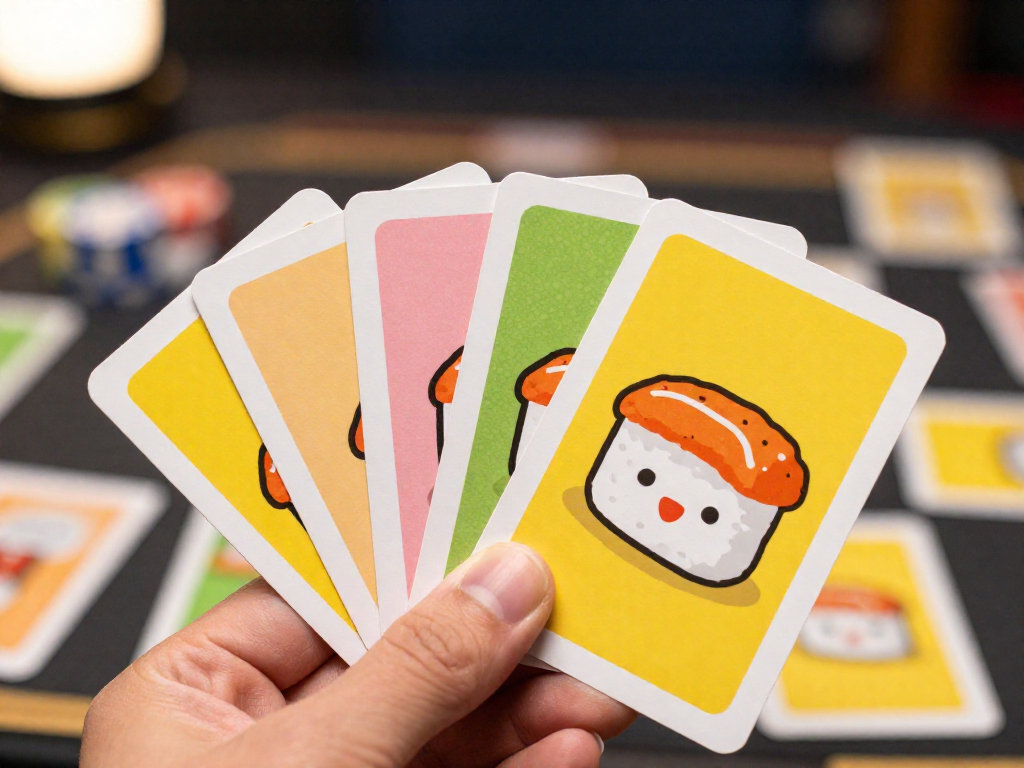
- A "set-collection" game—you pick a card, pass the rest to your neighbor, and try to gather matching dishes for points. Fast, cute, and surprisingly clever.
- Pros: Quick rounds; adorable art; teaches simple planning. Cons: The pass-and-pick rhythm takes one game to click.
- Who it's for: Families ready for a tiny step up from pure luck.
Skip-Bo / Phase 10
- Players: 2–6 | Ages: 7+ (Skip-Bo), 7+ (Phase 10) | Time: 20–40 min | Difficulty: Easy–Medium | Price: ~$8 each
- Both are sequencing games: build numbered piles in order (Skip-Bo) or complete set "phases" before opponents (Phase 10). Slightly longer and more thinky.
- Pros: Satisfying for tweens and adults; rewards a little patience. Cons: Phase 10 can run long; not ideal when little ones are restless.
- Who it's for: Families with kids 9+ who want more than a five-minute game.
Taco Cat Goat Cheese Pizza
- Players: 2–8 | Ages: 8+ | Time: ~10 min | Difficulty: Very easy | Price: ~$10
- Flip cards while chanting the title; when the card matches the word said, everyone slaps the pile. Pure speed and silliness.
- Pros: Hilarious; zero strategy needed; great party filler. Cons: Slapping can get rowdy—set a no-hurt-hands rule.
- Who it's for: Big, loud, mixed-age groups.
Exploding Kittens
- Players: 2–5 | Ages: 7+ | Time: ~15 min | Difficulty: Easy | Price: ~$20
- A goofy game of luck and timing: avoid drawing the exploding kitten, and use action cards to dodge it. Content note: the original deck has mildly cheeky cartoon humor; the boxed art is family-safe but grab the "Family-Friendly" edition if you want it squeaky clean.
- Pros: Big laughs; easy to teach. Cons: Lots of luck can frustrate competitive players.
- Who it's for: Families who like a little chaos with their fun.
Dutch Blitz
- Players: 2–4 (more with extra decks) | Ages: 8+ | Time: ~15 min | Difficulty: Medium | Price: ~$12
- A fast, real-time race where everyone plays at once—no waiting for turns. Quick hands and quick eyes win.
- Pros: Energetic and replayable; no downtime. Cons: The speed can overwhelm very young kids.
- Who it's for: Active families who like a bit of friendly frenzy.
A Standard 52-Card Deck
- Players: 2+ | Ages: 4+ (Go Fish) to 8+ (Rummy) | Time: 10–30 min | Difficulty: Easy–Medium | Price: ~$4
- One cheap deck unlocks Go Fish, War, Crazy Eights, and Rummy—covering toddlers through adults.
- Pros: Endless value; teaches foundational card skills. Cons: Requires you to teach the rules yourself.
- Who it's for: Every household. Buy two decks.
Matching Card Games to Your Family's Ages and Mood
The right card game depends on who's playing and what kind of night you're after. Here's how to match a game to your table.
Best for kids under 6. Look for games driven by colors, pictures, or simple matching rather than reading or counting. Spot It! (2–8 players, ages 6+, 15 min, easy) is a fast pattern-matching game where you race to find the one symbol two cards share. Verdict: great for early visual skills, though the youngest may need a slower, cooperative round first.
Best for mixed ages at one table. Choose games with quick turns and a little luck so a 7-year-old can beat a grandparent. Sushi Go! (2–5 players, ages 8+, 15 min, easy-to-medium) uses "drafting"—you pick one card, then pass your hand to the next player.
Best for quiet vs. high-energy nights. For calm evenings, slower set-collection games suit the mood. For high energy, real-time grab games like Taco Cat Goat Cheese Pizza (2–8, ages 8+, 10 min, easy) keep everyone shouting and laughing.
Best for travel and small spaces. A deck fits in a glovebox or carry-on, so prioritize games needing little table room—most of the above qualify.
Tips for a Great Family Card Game Night
A little planning turns a stack of cards into a night everyone looks forward to. These small tweaks keep the mood light and the meltdowns rare.
- Start easy, then build. Open with one simple game everyone already knows before introducing anything that needs a longer rules explanation. Early wins build confidence and buy-in.
- Bend the rules for little ones. "House rules" (your family's own tweaks to the official rules) are completely fair game. Play with cards face-up, skip scorekeeping, or let young kids take a do-over. The goal is fun, not a flawless game.
- Plan for short attention spans. Keep easy snacks within reach and set a timer for each round so restless players know the end is near. Shorter sessions almost always beat one marathon game.
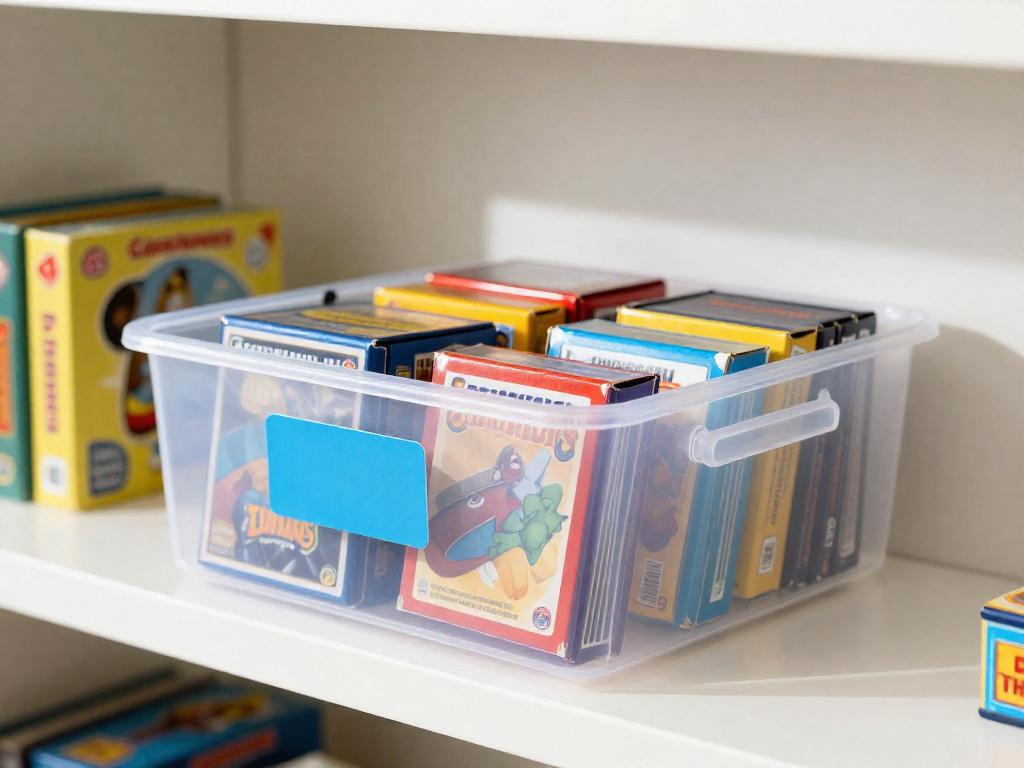
- Make cleanup effortless. Store each deck in a labeled box or bin so the next game night starts in seconds—not with a hunt for missing cards.
Snap a photo of your setup and save it for next time. Future you will thank you.
See also
- Best Board Games for Family Game Night
- Easy Board Games for Beginners
- Best Travel Games for Families
- How to Host the Perfect Family Game Night
Related articles
Best First Board Games to Start a Family Collection
Building a family board game shelf? Here are the best first board games to buy, balanced for variety, easy rules, and fun game nights everyone enjoys.
Jun 27, 2026 · 7 min read

Best Party Board Games for Loud, Laughing Big Groups
The best party board games for large groups that scale to 6, 8, or 10+ players. Easy rules, big laughs, and game-night picks everyone can join.
Jun 27, 2026 · 7 min read
The Best Family Board Games of the Year, Ranked
Our ranked guide to the best family board games right now—picks by age, group size, and play style, with plain-language rules and game-night tips. No jargon.
Jun 27, 2026 · 11 min read