10 Game Night Themes to Beat the 'What Should We Play?' Rut
What are some fun themes to refresh a recurring family game night?
On this page
Why a Theme Fixes the Game Night Rut
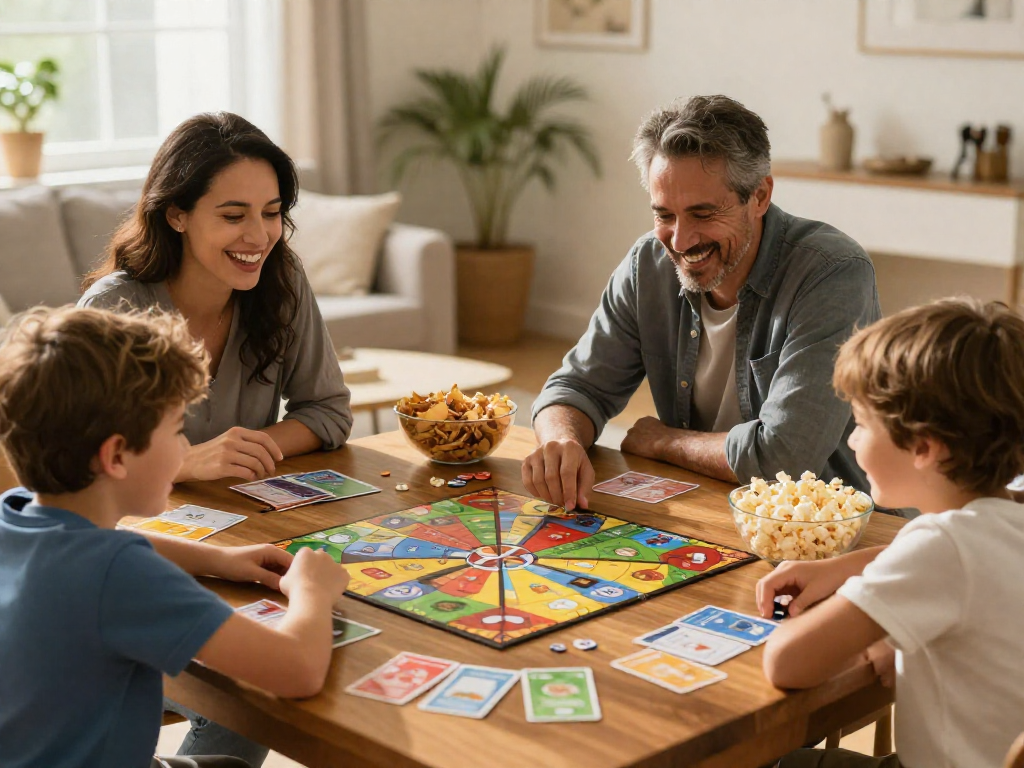
Here's the thing most families get wrong: the "what should we play?" stall isn't a sign you need more games. It's choice paralysis—the mental gridlock that happens when too many options pile up and nobody wants to be the one to decide. You stand in front of a full shelf, everyone shrugs, and twenty minutes evaporate before a single box is open.
A theme cuts through that. It makes the big decision before anyone sits down. Instead of "pick from all 30 games," the question shrinks to "which of these three fast, silly games fits tonight?" That's a choice people can actually make.
Themes do something else, too. They turn an ordinary evening into an event worth looking forward to. "Game night" is easy to skip; "Speed Round Night" or "Throwback Night" builds anticipation and gives everyone a reason to show up ready.
Best of all, you don't need to buy anything. Most themes work beautifully with the games already on your shelf—you're just framing them in a fresh way.
Throwback Night (Childhood Classics)
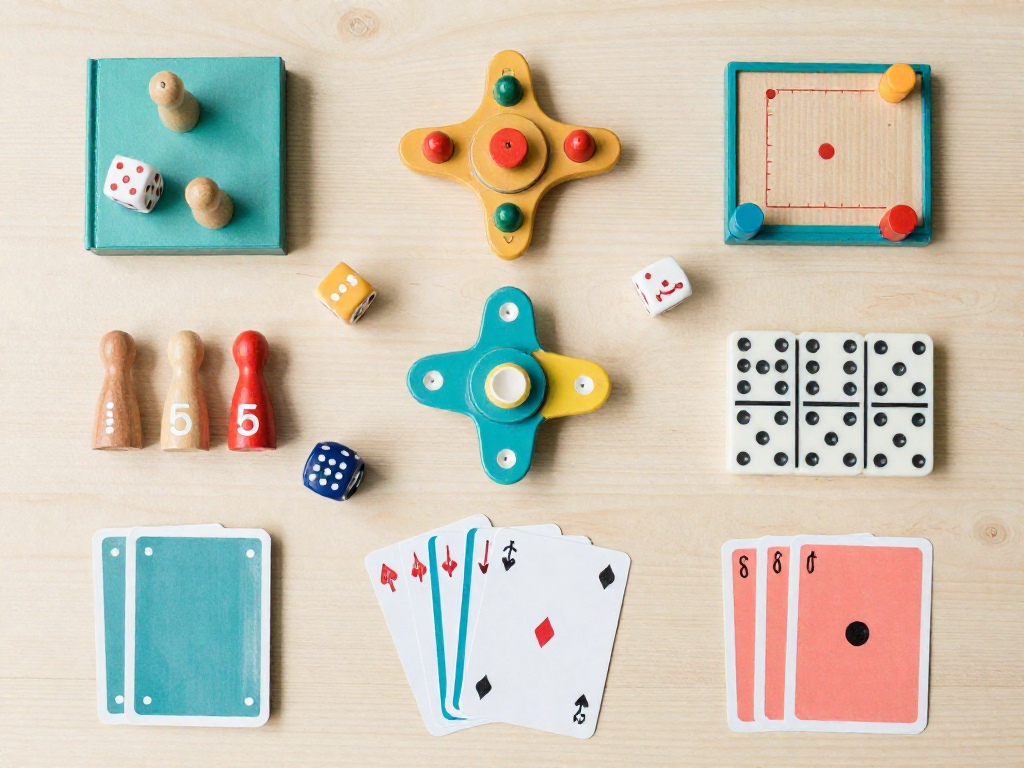
Kick off your theme rotation with the games everyone already knows. Throwback Night leans on the classics—Sorry!, Uno, Connect 4, and Trouble—so nobody has to learn rules from scratch. That low barrier makes it the perfect bridge across ages, from grade-schoolers to grandparents.
Who this is for: Mixed-age groups and anyone craving an easy, no-stress evening.
- Players: 2–6 (varies by game)
- Ages: 6 and up; most are fine for younger kids with a little help
- Play time: 15–30 minutes each, so you can rotate through several
- Difficulty: Easy—pure light fun, no strategy jargon required
Make it yours: Let each person pick the game they loved as a kid. It turns the night into a quick trip down memory lane and gives everyone a turn to be the "expert." Round it out with retro snacks—think popcorn, root beer floats, or candy from your childhood—for an extra dose of nostalgia.
Quick Hits Night (Short Games Only)
Some nights nobody has the energy for a sprawling, hour-long game. That's where Quick Hits Night shines: stick to "fillers"—short games that wrap up in under 20 minutes—and play a few back-to-back, best-of-three style. The energy stays high, the downtime stays low, and you can stop whenever bedtime calls.
Three crowd-pleasers to start with:
- Sushi Go! — 2–5 players, ages 8+, ~15 min, easy. Pass cards around to build the best plate of sushi. A gentle intro to "drafting" (picking one card, then passing the rest).
- Love Letter — 2–6 players, ages 10+, ~10 min, easy. Bluff and deduce with just 16 cards.
- Sleeping Queens — 2–5 players, ages 8+, ~15 min, easy. Bright and silly, great for younger kids.
Pros: fast, portable, and easy to teach. Cons: light on deep strategy, so dedicated gamers may want a heftier main event afterward.
Who it's for: school nights, tired parents, and short attention spans. All three are family-friendly with no iffy content.
Cooperative Night (Everyone vs. the Game)
If your game nights tend to end in hurt feelings, try a cooperative game—one where everyone plays as a team against the game itself, so you all win or lose together. There's no single winner to gloat and no loser to sulk, which makes this a lifesaver for competitive families. As a bonus, kids naturally practice teamwork and talking through a plan out loud.
Easy starting points:
- Outfoxed! — 2–4 players, ages 5+, ~20 min, very easy. A "whodunit" where you team up to catch a fox.
- Forbidden Island — 2–4 players, ages 8+, ~30 min, easy-medium. Grab treasure before the island sinks.
- Pandemic — 2–4 players, ages 10+, ~45 min, medium. Best for older kids who like a real challenge.
Who this is for: families who want connection over competition. Heads-up: Pandemic's theme (stopping disease outbreaks) can feel intense for very young or sensitive players, so start with Outfoxed! instead.
Snack & Strategy Night (Themed Food + Game)
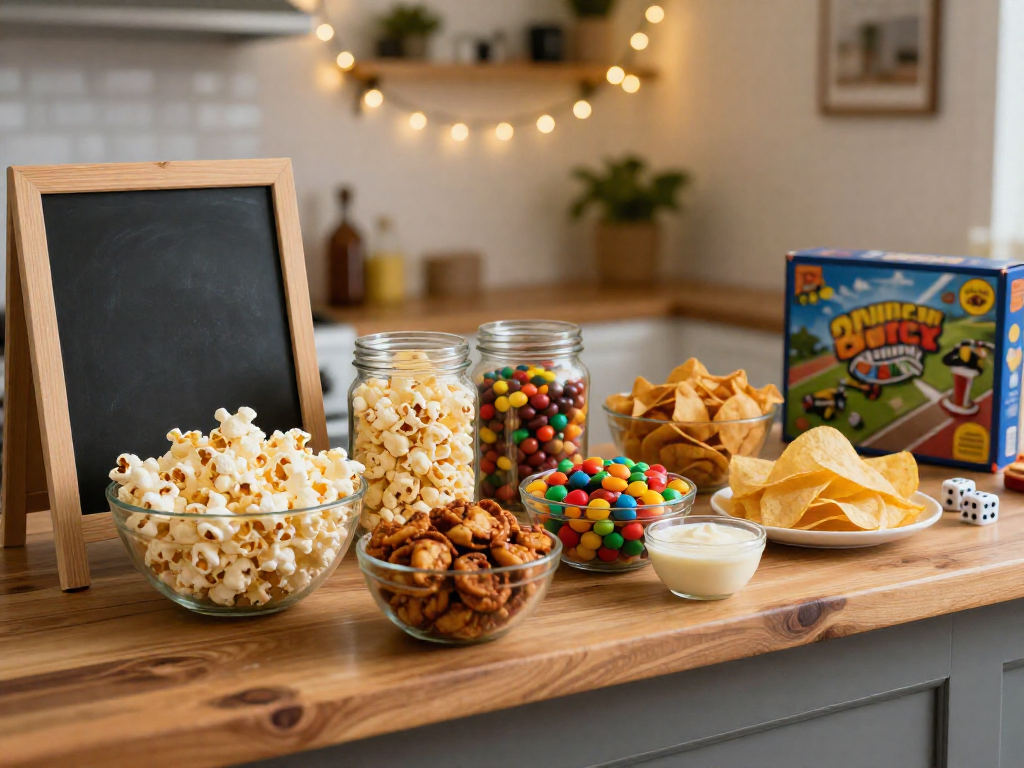
Pair your snacks to your game and an ordinary evening suddenly feels like an event. Playing something set in Italy? Order pizza. Got a lively, fiesta-style game (fast, colorful, lots of laughing)? Build a taco bar. The food doesn't have to be fancy—it just needs to match the mood.
The easiest version is a build-your-own snack bar: lay out toppings, dips, or mix-ins and let everyone assemble their own plate between turns. It keeps hands busy, fills the gaps while people take their turns, and keeps the whole table relaxed.
Tips for a smooth night:
- Pick low-mess, one-hand snacks (popcorn, pretzels, grapes) so greasy fingers don't ruin the cards or board.
- Keep a stack of napkins or wipes within reach.
- Set the food a little away from the play area to protect the components.
Family-friendly note: This theme works for all ages—just skip choking-hazard foods (whole nuts, hard candies) for younger kids and offer a couple of allergy-safe options so everyone can join in.
Party Night (Big, Loud, and Laugh-Out-Loud)
When extended family or a crowd of friends shows up, skip anything with a thick rulebook. Party Night is built around "pick-up-and-play" games—titles you can explain in under a minute so nobody's left reading instructions while everyone else laughs.
The all-stars here: Telestrations (the drawing-and-guessing telephone game), Codenames, Just One, and good old Charades. They scale up easily, welcome players who've never gamed before, and double as instant icebreakers.
| Game | Players | Ages | Play Time | Difficulty |
|---|---|---|---|---|
| Telestrations | 4–8 | 12+ | 30 min | Easy |
| Codenames | 4–8+ | 10+ | 15 min | Easy |
| Just One | 3–7 | 8+ | 20 min | Easy |
| Charades | 4+ | 6+ | flexible | Easy |
Who this is for: Mixed groups of all skill levels who want laughs over deep strategy.
Family note: All four are family-friendly. Watch that Telestrations and Charades prompts stay age-appropriate for the youngest players—it's easy to keep clues kid-safe.
Mystery & Detective Night
Lean into the thrill of cracking a case. Deduction games (the kind where you piece together clues to figure out "whodunit") naturally build suspense and pull out everyone's inner storyteller.
A few crowd-pleasers, grouped by who's at the table:
- Outfoxed! — 2–4 players, ages 5+, ~20 min, easy. A cooperative whodunit where kids work together to catch the fox. Great training wheels for young detectives.
- Clue — 2–6 players, ages 8+, ~45 min, easy-to-moderate. The classic mansion mystery; some reading and note-taking required.
- Mysterium — 2–7 players, ages 10+, ~45 min, moderate. One "ghost" gives dreamlike picture clues while the rest guess. Best for older kids and adults.
Set the mood: dim the lights, hand out simple clue-tracking sheets so younger players don't lose the thread, and let anyone who wants to dress the part.
Who this is for: mixed-age families who love a little drama. One caution: murder-mystery boxed kits can include darker themes, so skim them before younger kids join.
Dealer's Choice Night (Everyone Picks One)
Stuck because no one can agree? This theme flips the problem on its head: instead of choosing one game for everyone, everyone gets a turn. Each person nominates one game they love, then you draw slips of paper (or roll a die) to set the play order. Simple, fair, and nobody feels steamrolled.
The payoff is that every player is guaranteed at least one game they're excited about, which keeps quieter family members from checking out. It's perfect for households with very different tastes—the strategy fan, the silly-party-game lover, and the kid who just wants something fast all get their moment.
To keep it fresh week to week, rotate a "host" (the person who picks first and explains the rules) each session.
Best for: mixed-taste groups of 3–6 players, ages 8+, running about 60–90 minutes total. Difficulty: easy to set up, no extra rules to learn.
Tournament Night (Bracket Style)
Turn game night into a friendly competition. Pick 3–4 quick games, play each one, and add up points across the whole evening—a "bracket" here just means a running tally, no fancy chart required. Tape a simple scoreboard to the fridge so everyone can track who's ahead.
At the end, crown a "champion of the week" with a silly trophy (a dollar-store mug or a paper crown works great). The fun part: the title carries over, giving everyone a reason to come back next week and dethrone the winner.
- Players: 2–6
- Ages: 6 and up, depending on the games you pick
- Play time: 60–90 minutes for the full bracket
- Difficulty: Easy to set up
Who this is for: Families with a competitive streak who want their game nights to feel connected week to week. Keep the games light so the focus stays on laughs, not winning.
New-to-Us Night (Try Something Unplayed)
Every household has them: games still in the shrink wrap, a hand-me-down box from a cousin, or that title everyone means to learn but never does. New-to-Us Night exists to clear that backlog—one unplayed game at a time.
The rules are simple. Pick something nobody at the table has played yet. Don't own anything new? Borrow from a friend, or check your local library's board game section (many US libraries lend games just like books, for free). Before you start, watch a five-minute "how-to-play" video together so you skip the rulebook fumbling and get straight to the fun.
Best for: families who want to expand their rotation without spending a dime.
Quick tip: keep expectations loose. The goal is discovery, not a perfect first game—some new favorites take a round or two to click.
Dress-Up & Roleplay Night
This is the most imaginative theme on the list, built for kids who love to pretend. Pick games that reward storytelling over strategy, then add simple costumes or silly character voices to pull everyone into the world.
Easy picks: Dixit (a clue-and-guessing game using dreamy art cards) — 3–6 players, ages 8+, about 30 minutes, easy. For a little more bite, try a simplified version of Disney Villainous — 2–3 players, ages 10+, around 40 minutes, moderate. Or grab storytelling dice, where rolled pictures spark a made-up tale — any number of players, ages 4+, 10 minutes, very easy.
Who this is for: younger families who want low-pressure, big-creativity fun. Heads-up: Villainous can stump kids under 10, so save it for older players or play in teams.
How to Make Themes a Lasting Habit
The trick to keeping game night fresh isn't finding more themes—it's making them automatic. A little structure now means you'll never stare at the shelf wondering "what should we play?" again.
Try these four habits to lock the rotation in:
- Post a theme calendar on the fridge. Write out the next month of themes where everyone can see it. The decision is made before anyone walks in the door, so there's no debate and no rut.
- Let the kids vote on next week's theme. Giving them a say turns game night into something they look forward to and remind you about.
- Mix and match your favorites. Once you find themes that click, combine them—think Snack & Strategy meets Throwback Night. The best combos become your house traditions.
- Start tonight with whatever sounds easiest. Don't wait for the "perfect" setup. Pick the simplest theme on the list, grab a game, and play. Momentum beats planning every time.
Keep it light, keep it regular, and the habit takes care of itself.
See also
- Best Cooperative Board Games for Families
- Quick Board Games You Can Finish in 20 Minutes
- Easy Party Games for Big Family Gatherings
- Beginner's Guide to Starting a Weekly Family Game Night
- Best Board Games for Mixed-Age Families
Related articles
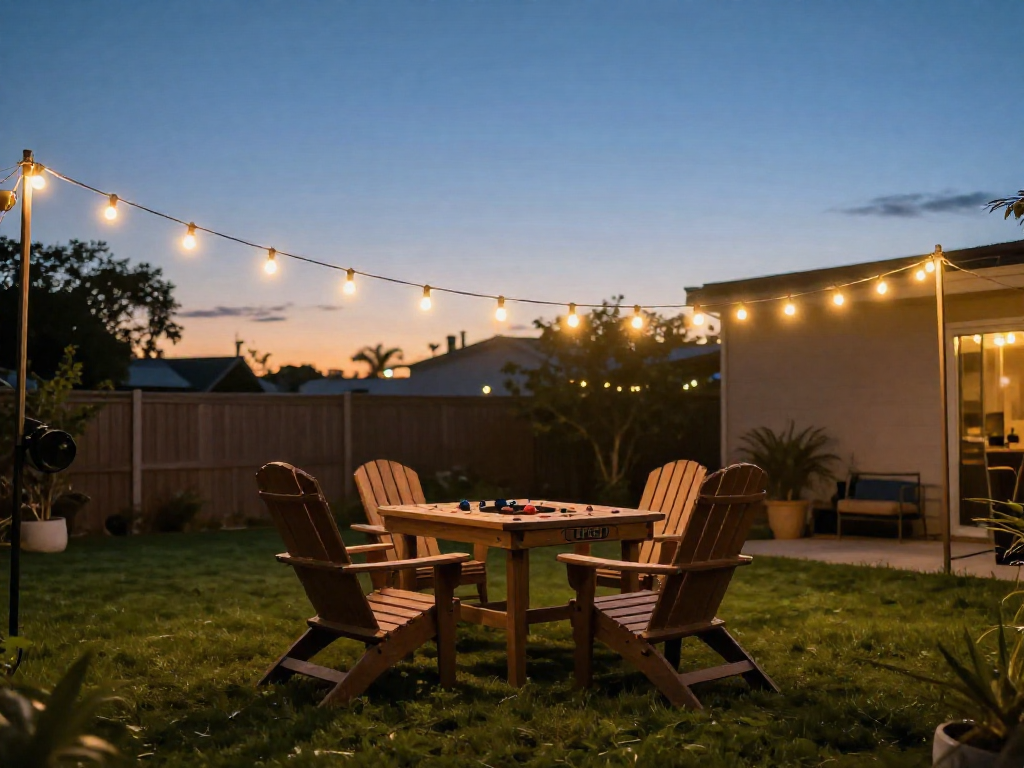
Outdoor and Backyard Game Night Ideas for Warm Evenings
Plan the perfect outdoor game night with family-friendly backyard games, lighting and snack ideas, and tips for playing tabletop games outside on warm evenings.
Jun 27, 2026 · 7 min read
Game Night on a Budget: Big Fun Without Spending Much
Host a fun family game night without overspending. Get free and cheap game ideas, DIY snacks, and simple setups everyone will love.
Jun 27, 2026 · 9 min read

How to Handle a Sore Loser at Family Game Night
Tears, tantrums, and table-flipping? Here's how to defuse poor sportsmanship and teach kids (and adults) to lose gracefully at family game night.
Jun 27, 2026 · 9 min read